



























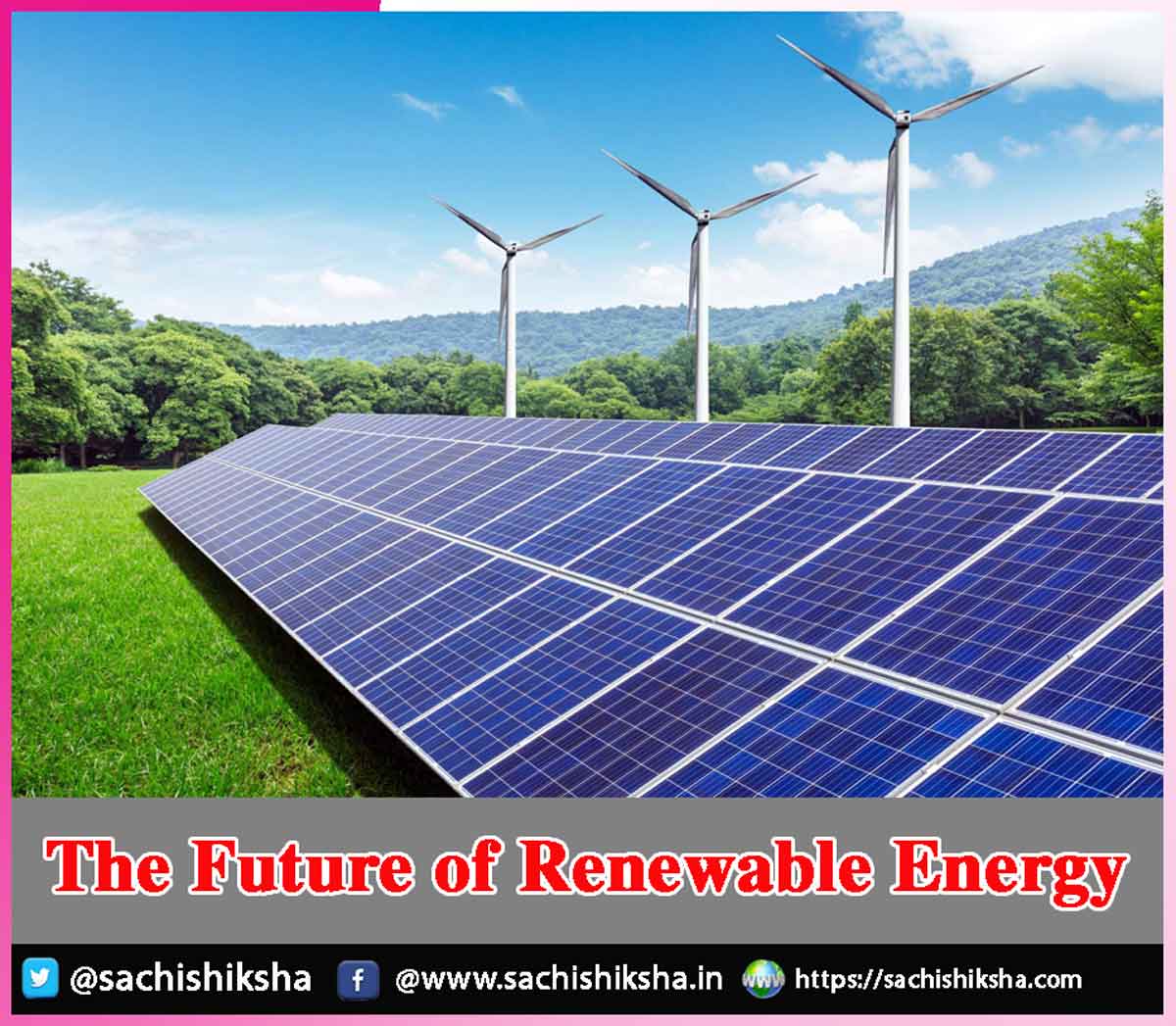
The Future of Renewable Energy
Introduction: The future of renewable energy is no longer a distant ambition—it is unfolding now, reshaping global economies, influencing geopolitical decisions, and redefining how societies produce and consume power. The coming decades are set to witness rapid innovation, falling costs, and a major transformation of the world’s energy systems.
Table of Contents
Technological Progress
The next phase of renewable energy growth will be driven by technology. Solar and wind power have already become significantly cheaper over the past decade, with solar photovoltaic (PV) costs dropping by nearly 80%, and wind power becoming one of the most cost-effective energy sources in many regions. Going forward, research and development will make renewable systems even more efficient.
 Energy storage is expected to be the biggest breakthrough. Although lithium-ion batteries dominate today, future systems may rely on solid-state batteries, gravity storage, green hydrogen, and long-duration flow batteries. These advancements will address one of renewable energy’s biggest challenges—intermittency—ensuring energy can be stored when supply is high and utilized when demand increases.
In the future, green hydrogen hubs will emerge worldwide, operating as clean industrial ecosystems. Countries with abundant solar and wind resources may become major renewable energy exporters, similar to how oil-producing nations dominate energy supply today. Shipping, pipelines, and storage technologies will evolve to support a global hydrogen economy.
Transport Powered by Renewables
Electric mobility is expanding rapidly across the world, signaling a major shift in transportation. As battery technology improves, electric vehicles (EVs) will have longer ranges, faster charging, and lower costs. This shift will extend beyond personal cars to include public transport, commercial fleets, aviation, and shipping.
Innovations such as solar-powered charging stations, wireless charging roads, and hydrogen-powered long-distance transport will further accelerate the transition. EVs will also integrate with smart grids, serving as mobile storage units to help stabilize electricity networks during peak demand.
Policies and Investment
Government policies will continue to support renewable energy adoption. Carbon taxes, clean energy subsidies, and green financing will encourage industries and consumers to shift towards sustainable choices. Countries that invest early in renewable infrastructure will benefit through reduced energy imports, job creation, and increased energy independence.
Challenges
Despite positive progress, challenges remain. Land use conflicts, supply chain pressure, and environmental concerns related to battery mineral extraction must be addressed to ensure sustainability.
Conclusion
The future of renewable energy is not only about replacing fossil fuels—it is about creating an energy system that is cleaner, smarter, and more inclusive. Renewable technologies will become integrated into daily life, powering homes, transport, and industries.
As nations work toward carbon neutrality, renewable innovation will shape global politics, economies, and environmental stability. With rapid technological progress, strong government support, and rising public awareness, the future of renewable energy appears brighter than ever.