















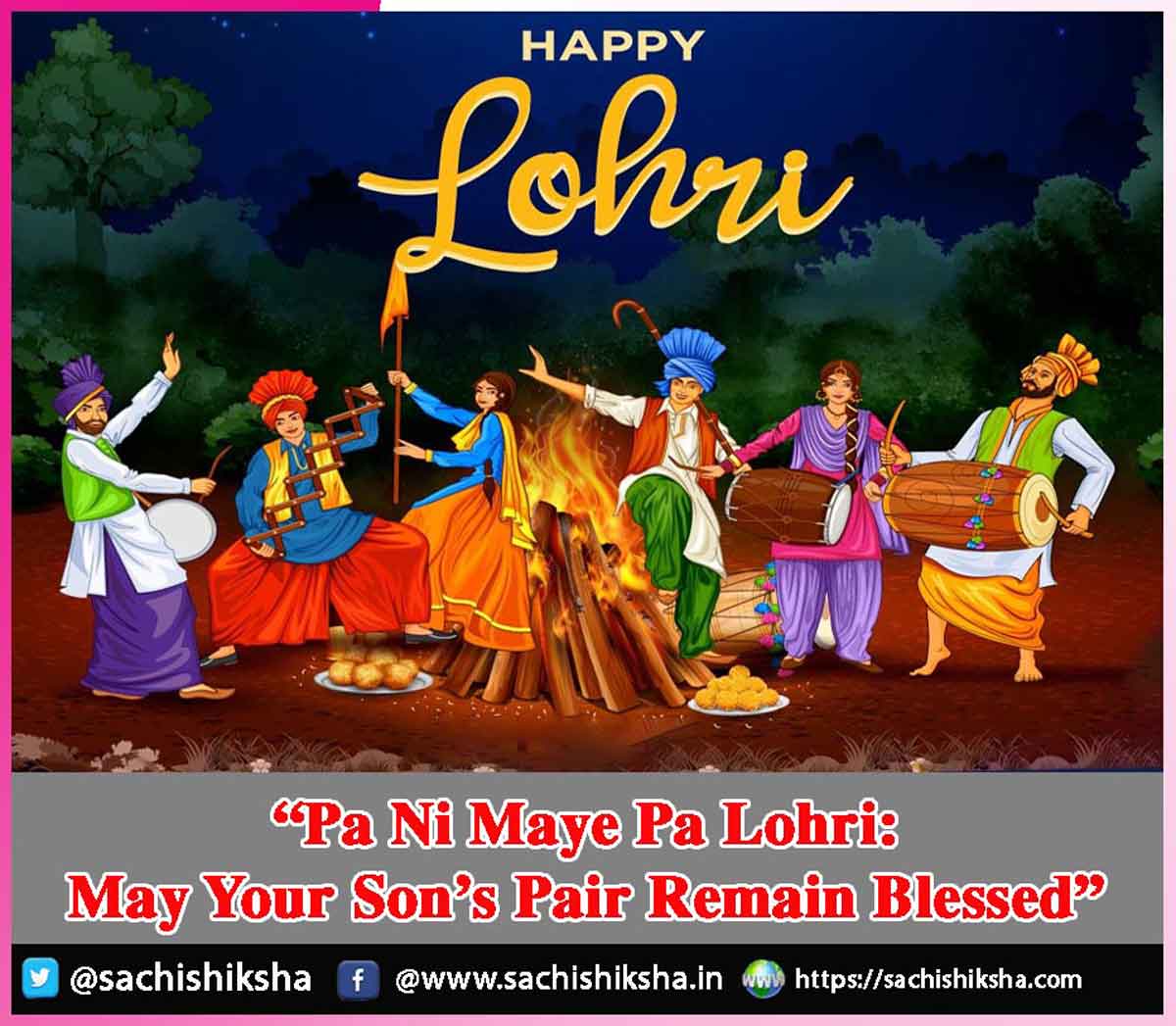
Happy Lohri “Pa Ni Maye Pa Lohri: May Your Son’s Pair Remain Blessed”
The festival of Lohri, adorned with heart-touching folk songs, also encompasses a rich variety of cultural nuances. This unique confluence of faith and culture presents a truly fascinating spectacle. Celebrated alongside Pongal and Makar Sankranti on 13 January, this festival conveys a message of gratitude to the Almighty for bringing prosperity to the earth. During this season, farmers’ fields overflow with ripened crops.
For Sukhdev Kaur, who has witnessed eighty springs of life, the festival of Lohri carries an indelible emotional imprint. Recalling her memories, she says, “I have experienced every joy of this festival closely, through the many ups and downs of life.” Although its customs have evolved with time, its essence remains unchanged. She explains that as the sun reaches its peak on Lohri day, young people go from house to house asking for Lohri.
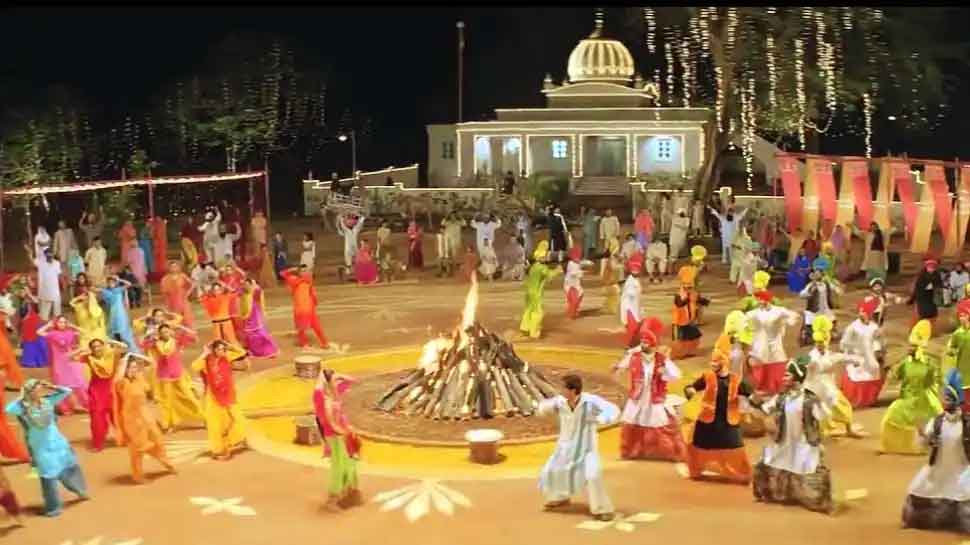 They would gather in groups to celebrate. As the sun began to set, preparations for Lohri would commence. Going from house to house, mothers and sisters collected cow-dung cakes for the bonfire. In larger villages, Lohri was organised according to neighbourhoods. A large pile of cow-dung cakes would be arranged and decorated so that it burned throughout the night. Meanwhile, at home, women completed their daily chores swiftly. As evening approached, they gathered at the designated Lohri site. Girls, adorned with jewellery and ornaments, filled the atmosphere with joy, and soon the humming of folk songs began:
Mother, please give me Lohri,
Your son rides a mare.
Lohri was celebrated with the singing of many such songs. The rhythmic beats of the dholak, the energetic steps of gidda and bhangra, and the echo of folk songs continued late into the night. In many parts of Punjab, men and women danced together, dressed in traditional attire.
Table of Contents
Harmony Between Faith and Culture
Although Lohri is celebrated in several states across India, its colours are most vibrant in Punjab. Observed on the night preceding Makar Sankranti, this festival holds a significance comparable to Baisakhi in Punjab. People begin the year by expressing gratitude for the hard work of farmers. It is also a festival dedicated to nature, during which water, fire, and the sun are revered.
A special importance of this day lies in the belief that the sun enters the Capricorn sign, symbolizing an auspicious new beginning. On this occasion, people offer jaggery, gajak, peanuts, and sesame rewari into the sacred fire to express their gratitude to the Sun God. These offerings are later shared among family and friends.
Special Lohri Celebration for Newlywed Couples and Newborn Babies
Traditionally, the night of Lohri is considered the longest night of the year. After sunset, a bonfire is lit in an open space using cow-dung cakes and wood. Family members gather around it. This sacred fire is considered especially auspicious for newly married couples and families blessed with newborn babies. The couples and parents circumambulate the fire and offer jaggery balls and sesame seeds. During this ritual, women sing folk songs and perform gidda, while men celebrate with bhangra. This also marks the end of the harsh winter season.
Special Importance of Traditional Dishes
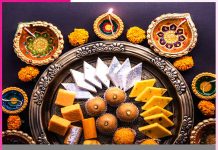
On this day, dishes such as sarson da saag and makki di roti, pinniyan, sesame laddus, panjiri, and makhana kheer are prepared. Panjiri is made from a mixture of nuts, seeds, various flours, jaggery, and clarified butter. It is considered highly nutritious, especially for women who have recently given birth.
A few days before Lohri, young boys and girls go from door to door singing folk songs. People offer them Lohri pathiyas, money, and sweets. Their songs prominently include a popular ballad associated with Dulla Bhatti:
You are beautiful, O Mundriye,
Who does not praise you?
It is from Dulla Bhatti.
Dulla’s daughter was married.
She was given a kilo of sugar.
The girl shines like a red firecracker.
Who can restrain such courage?
The landlords looted,
But Dulla stood against them.
Give us Lohri,
And may your couple live long.