


























Antibiotics: Magic Bullet or Growing Problem?
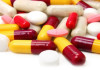
Sometimes, as the weather changes, we experience sore throats, coughs, fevers, and a heavy head. What’s often our first thought? Oh, the blue and yellow pills the doctor prescribed last time helped. Maybe they’re still around.
We open the medicine cabinet, take out the leftover antibiotic, and consume it mindlessly. We believe it is the magic bullet for every ailment. But is that true?
The truth is that taking antibiotics without need and without a doctor’s advice can be not only ineffective but also dangerous. This practice is pushing us towards a global crisis—antibiotic resistance.
 Many people take leftover medication without consulting a doctor. However, the same medication is not prescribed for every illness. A medicine that worked for a throat infection last time may not be effective for a stomach infection this time. Taking the wrong antibiotic does not help—in fact, it causes harm.
Table of Contents
Virus and Antibiotics
Antibiotics do not work on all viruses and bacteria. It is a common misconception that antibiotics help cure colds. Colds, coughs, and flu are mostly caused by viruses, while most antibiotics work only on bacteria.
When Antibiotics Are Taken for a Viral Infection:
- The virus does not die.
- The medicine keeps circulating in the body unnecessarily.
- Good bacteria are destroyed, and the remaining bacteria get a chance to become superbugs.
- Cold and cough usually get cured on their own in 5–7 days, but we often give the credit to the medicine.
How Is a Superbug Created?
Imagine there are millions of bacteria in the body. Weak bacteria die when antibiotics are taken. Some stubborn, “armoured” bacteria survive. These bacteria multiply rapidly, and the same medication will not work against them in the future. These resistant bacteria are called superbugs, and they pose a serious threat to doctors today.
Antibiotics: A Nuclear Bomb in the Body
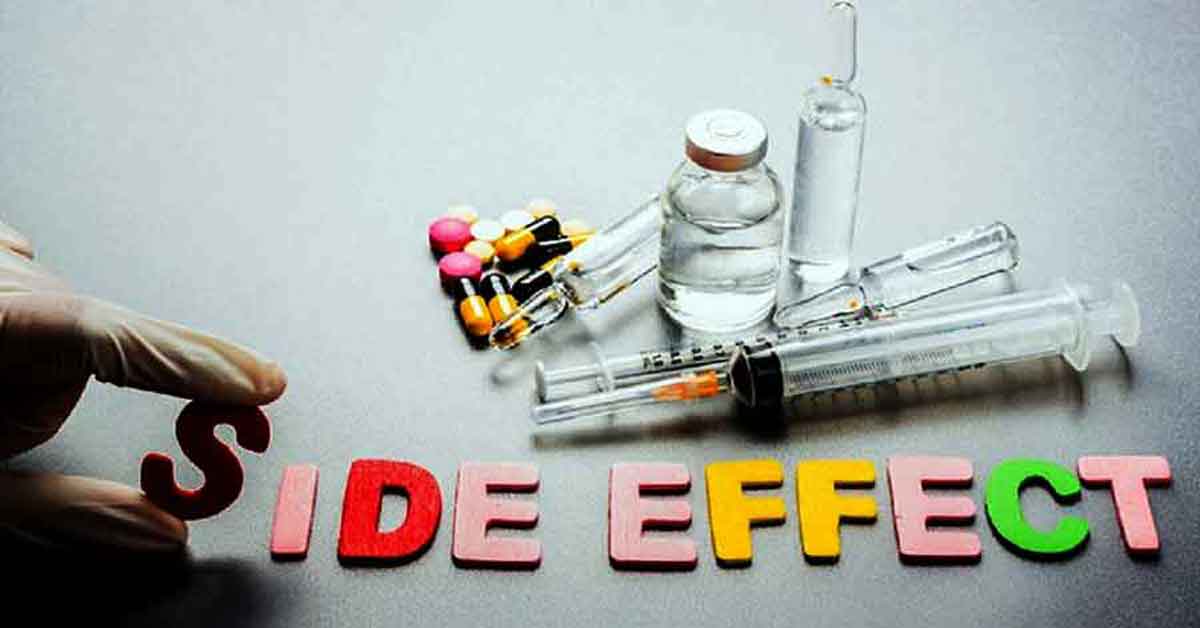
Antibiotics do not just kill harmful bacteria—they also destroy useful ones. They have side effects such as:
- Abdominal bloating, vomiting, and stomach pain.
- Diarrhoea—the balance of the intestines is disturbed due to loss of good bacteria.
- Fungal infections—loss of good bacteria leads to fungal growth, infections, and white coating in the mouth.
- Allergies—ranging from mild rashes to life-threatening anaphylaxis, which can cause respiratory failure.
We take such risks simply because we assume one pill will make a difference.
What Should We Do?
Consult a Doctor:
Doctors determine whether the illness is viral or bacterial, and which medicine, dose, and duration are appropriate.
Avoid Antibiotics for Cold or Cough:
Instead, take rest, drink plenty of fluids, inhale steam, and gargle. For fever or pain, use the medicine recommended by your doctor.
Complete the Full Antibiotic Course:
Stopping the medicine after 2–3 days of relief is a mistake. This kills only the weak bacteria while the stronger ones survive and become superbugs.
Do Not Share Medicines:
A medicine may suit you, but it could harm someone else. Never take another person’s leftover medicine. Antibiotics are a precious medical discovery, but they must be taken only when needed, on medical advice, with the right medicine, and for the full prescribed course. Only then can we use them safely and protect their effectiveness for the future.