





























Balancing and Academics & Personal Life
Introduction: Balancing academics and personal life is one of the biggest challenges students face today. With increasing academic pressure, assignments, exams, and expectations, it often becomes difficult for students to find time for themselves, their hobbies, family, and friends. However, maintaining a balance between academic responsibilities and personal well-being is essential for long-term success and a healthy lifestyle.
Table of Contents
The Importance of Academics
Academics are undoubtedly important because they shape a student’s future and open doors to career opportunities. Students are expected to attend classes regularly, complete assignments on time, prepare for exams, and maintain good grades. In many cases, students also participate in extracurricular activities, internships, or skill-development programs to enhance their profiles. While these activities are beneficial, they can sometimes create overwhelming schedules that leave little room for relaxation or personal time.
The Importance of Balance
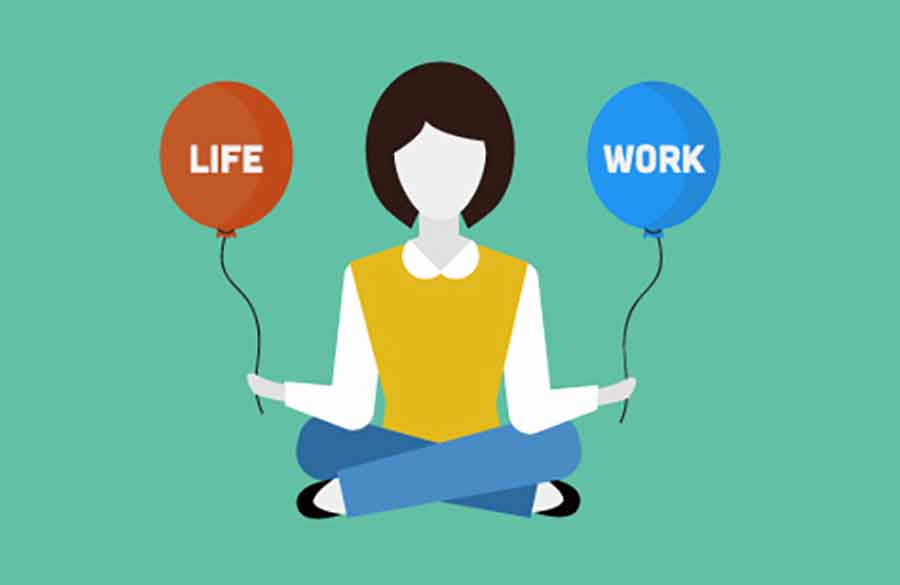 When students focus only on academics and ignore their personal lives, it can lead to stress, burnout, and reduced productivity. Constant studying without breaks may initially seem productive, but over time it can negatively affect mental health and concentration levels. Students may feel exhausted, lose motivation, or even develop anxiety about their academic performance. This is why balancing both aspects of life is crucial.
Time Management
Time management plays a vital role in maintaining this balance. Students who plan their schedules properly are better able to allocate time for studying as well as personal activities. Creating a daily or weekly timetable helps in organizing tasks and avoiding last-minute pressure. By setting priorities and breaking large tasks into smaller, manageable parts, students can complete academic work efficiently while still making time for relaxation.
Setting Realistic Goals
Another important factor is setting realistic goals. Many students put excessive pressure on themselves to achieve perfection in every subject or activity. While ambition is good, unrealistic expectations can create unnecessary stress. Instead, students should focus on consistent progress and learning rather than perfection. Accepting that it is okay to make mistakes and learn from them helps maintain a healthier mindset.
Taking Regular Breaks
Taking regular breaks is also essential for maintaining productivity and mental well-being. Activities such as exercising, reading for pleasure, listening to music, or spending time with friends and family can refresh the mind. These moments of relaxation help students return to their studies with better focus and energy. Even short breaks during study sessions can improve concentration and reduce fatigue.
Maintaining a Healthy Lifestyle
In addition, maintaining a healthy lifestyle contributes significantly to balancing academics and personal life. Proper sleep, balanced nutrition, and physical activity help improve memory, concentration, and overall well-being. Students who sacrifice sleep to study for long hours may find it harder to retain information and stay alert in class. Therefore, maintaining healthy habits is just as important as academic effort.
Communication and Seeking Support
Communication and seeking support also play an important role. When students feel overwhelmed, talking to friends, family members, teachers, or counselors can provide guidance and reassurance. Sharing concerns often helps students gain new perspectives and solutions to manage their responsibilities better.
Using Technology Wisely
Technology can be both a helpful tool and a major distraction. While digital platforms provide access to educational resources and online learning opportunities, excessive use of social media can consume valuable time. Students should learn to use technology wisely by limiting distractions and using digital tools to enhance productivity, such as study apps, reminders, and online learning platforms.
Achieving Balance
Ultimately, balancing academics and personal life is about creating harmony between responsibility and well-being. Students who learn to manage their time effectively, take care of their mental and physical health, and maintain meaningful relationships are more likely to succeed academically and personally.
Conclusion
Academic success should not come at the cost of personal happiness and health. By practicing good time management, setting realistic goals, maintaining healthy habits, and making time for relaxation, students can achieve a balanced and fulfilling life. Such balance not only improves academic performance but also helps students grow into well-rounded and resilient individuals.