



























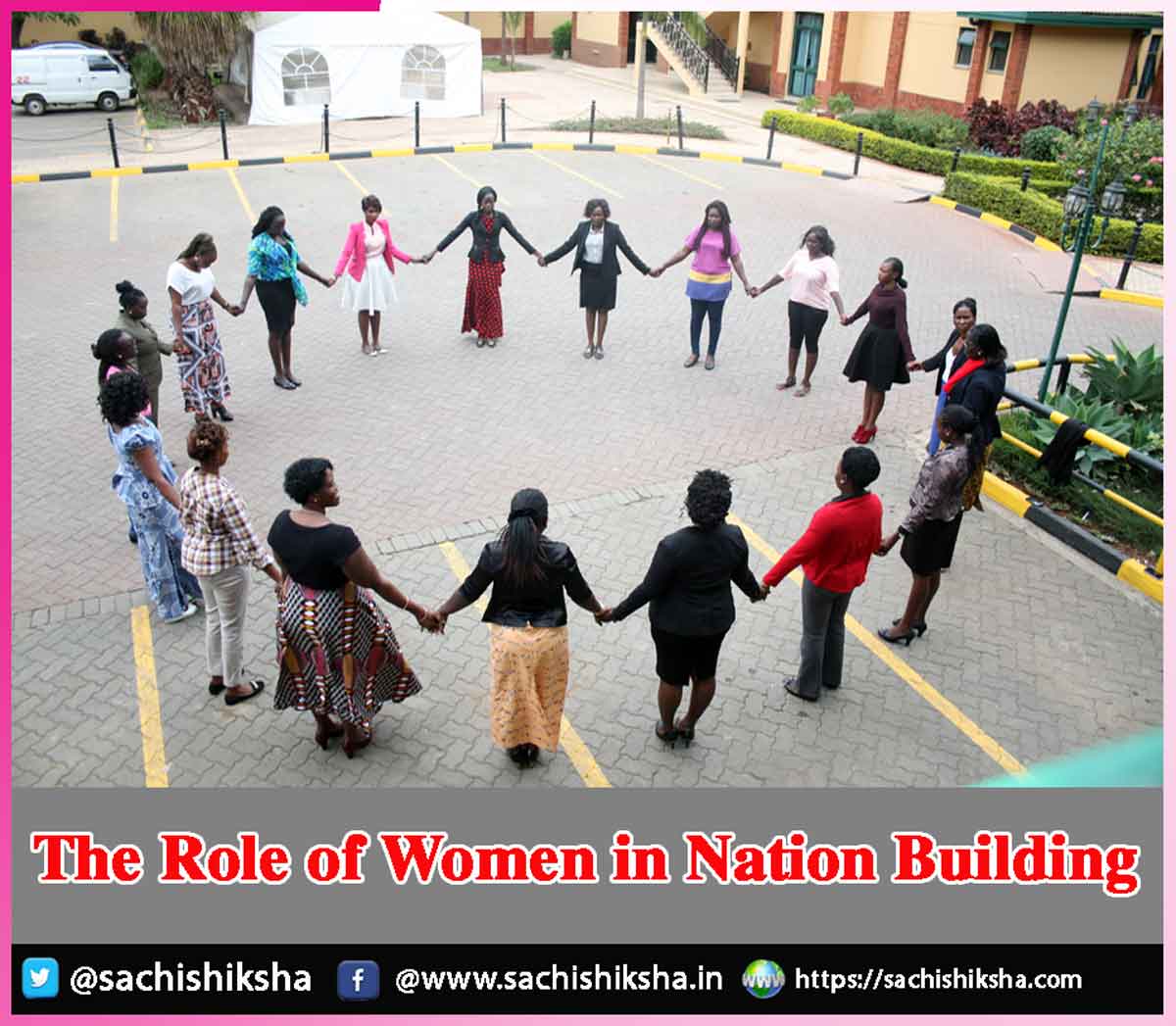
The Role of Women in Nation Building
Introduction: The process of nation-building is a multifaceted endeavor that requires the collective effort of all citizens to shape a nation’s identity, values, and future. While this responsibility falls on the shoulders of all members of society, the role of women in nation-building has often been overlooked or overlooked. From historical figures to modern-day leaders, women have been instrumental in the development and progress of nations. Their participation in education, governance, economy, and social movements has not only empowered them but has also propelled entire societies towards progress.
Table of Contents
Women as Catalysts for Social Change
In many countries, women have fought for civil rights, gender equality, and access to education and healthcare, recognizing that these factors are essential for a prosperous nation. Prominent figures such as Rosa Parks in the United States, Malala Yousafzai in Pakistan, and Simone de Beauvoir in France have all contributed to shifting societal views and advancing women’s rights. Their actions have inspired generations of women to become more involved in the public sphere and to fight for their rights and the rights of others.
Women in Governance and Leadership
Women have also played a significant role in the political sphere, contributing to the shaping of national policies and international relations. Although women in leadership positions have historically been rare, the situation has been changing over the last few decades. In countries such as New Zealand, Germany, and the United Kingdom, women have served as heads of state or government, influencing domestic and foreign policy.
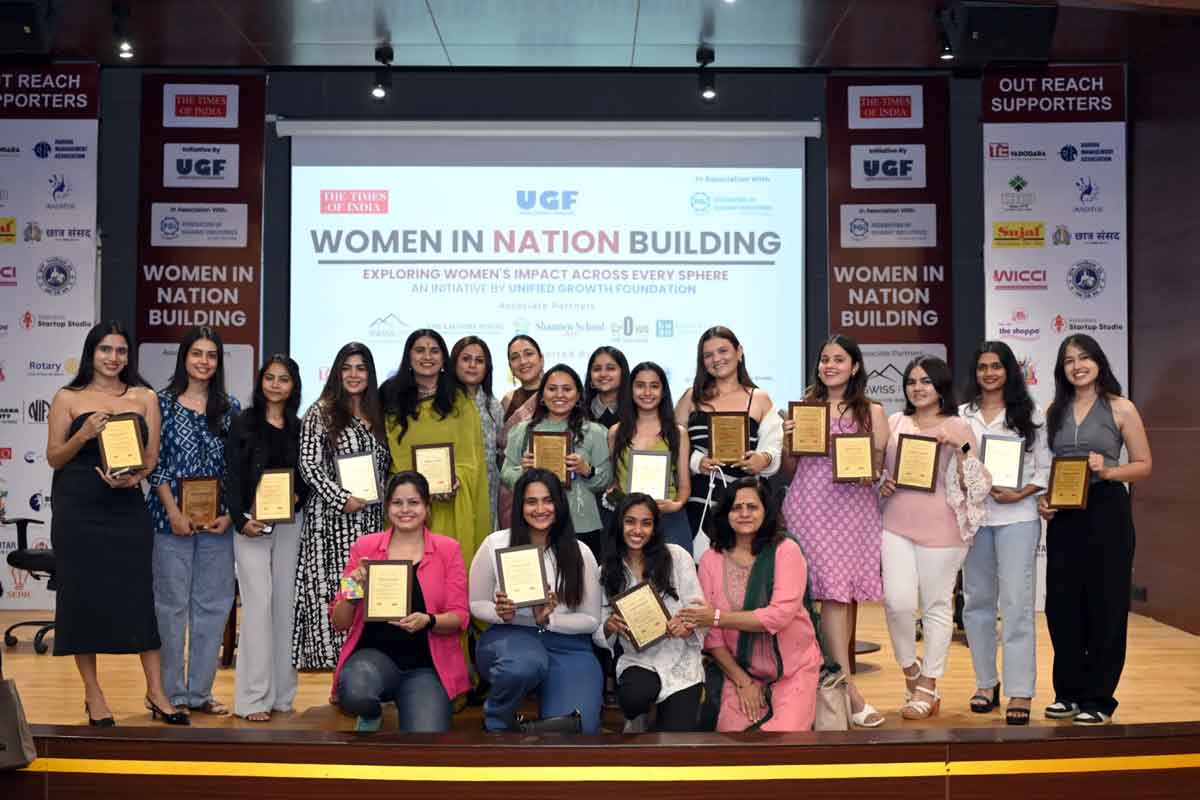 Women in governance contribute diverse perspectives to decision-making processes. Research has shown that gender-diverse leadership teams are often more innovative, inclusive, and focused on sustainable policies. Women’s participation in governance helps address issues such as healthcare, education, welfare, and gender equality, which are often underrepresented in male-dominated politics.
Economic Contributions of Women
Women’s role in nation-building is also critical in the economic sphere. Women contribute to national economies as workers, entrepreneurs, and consumers. According to several studies, when women are given equal opportunities in the workforce, the economy flourishes. In fact, countries with higher levels of gender equality often experience better economic outcomes, increased productivity, and enhanced economic growth.
Educating the Next Generation
One of the most significant contributions women make to nation-building is in the field of education. As mothers, teachers, and mentors, women shape the next generation by imparting knowledge, values, and skills. When women are educated, the impact extends beyond them; they become the drivers of positive change in their communities and society. Education empowers women to make informed decisions, contribute to the workforce, and participate in civic and political life. It also enables them to raise healthier, better-educated children who can contribute to the nation’s future growth and development.
Conclusion
Women are not only beneficiaries of nation-building efforts but are also active agents of change who contribute significantly to the progress of their societies. Ensuring that women have equal opportunities to participate in all aspects of life is essential for fostering a more equitable and prosperous world. The future of nation-building lies in the recognition and elevation of women’s roles, for when women thrive, entire nations thrive.