
























Social Media vs Real Connection
Introduction: In a world where a swipe can spark a conversation and a like can signal approval, social media has redefined how we connect. Platforms promise closeness—instant updates, shared moments, constant access. And yet, many of us feel more disconnected than ever. The contrast between social media connection and real connection isn’t about good versus bad; it’s about depth, presence, and what truly sustains human relationships.
Table of Contents
The Power of Digital Reach
Social media excels at reach. It allows us to stay in touch across cities, countries, and time zones. Old friendships are revived, communities are formed around shared interests, and voices that once went unheard find platforms. For introverts, creatives, and marginalized groups, online spaces can feel safer and more expressive than physical ones. In this sense, social media is not shallow by default—it is powerful. It can inform, mobilise, and connect at scale.
The Cost of Curation
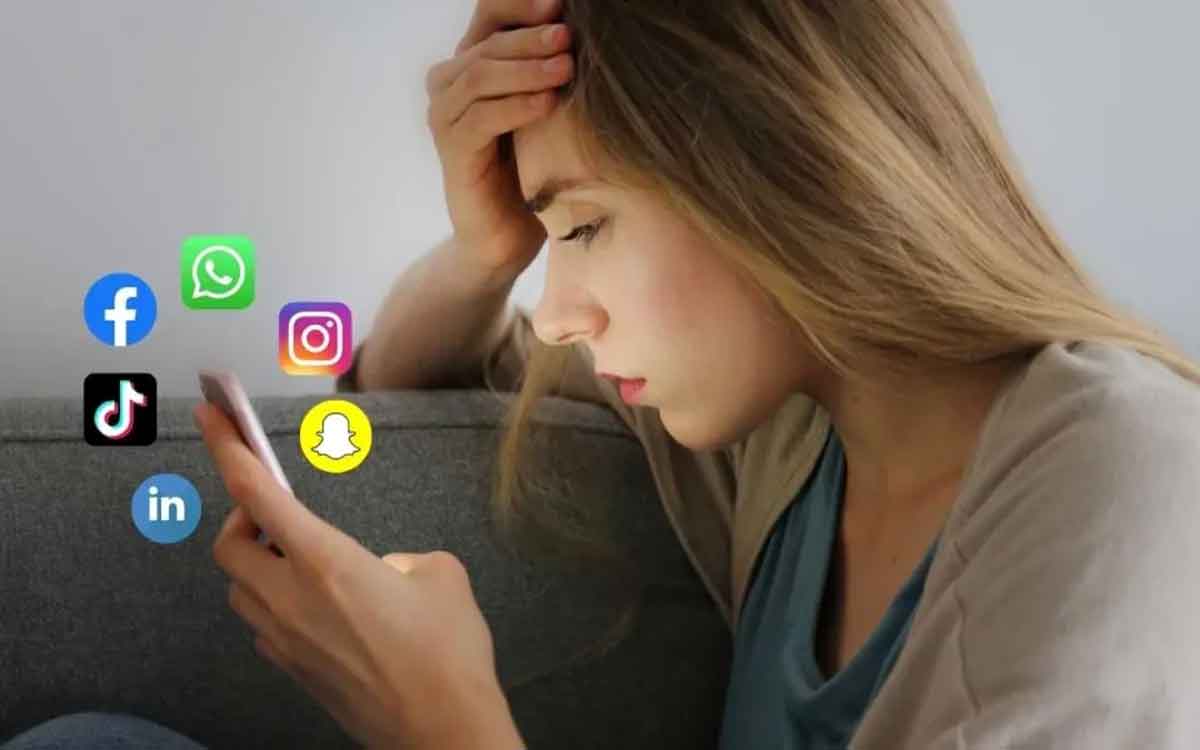 But scale is also where the trade-off begins. Online interactions are often compressed into highlights: curated photos, carefully worded captions, selective stories. We present edited versions of ourselves, not because we’re dishonest, but because platforms reward polish. Over time, this can blur the line between who we are and who we perform as. Connection becomes measured in metrics—followers, likes, views—rather than understanding, trust, or emotional resonance.
Real Connection
Real connection, on the other hand, is unfiltered. It exists in pauses, eye contact, shared silence, and uncomfortable honesty. It’s the friend who notices a shift in your tone, the conversation that runs longer than planned, the presence that doesn’t need proof. Real connection is slower and less efficient, but it’s also more forgiving. It allows for contradictions, growth, and repair—things algorithms don’t optimize for.
Attention and Presence
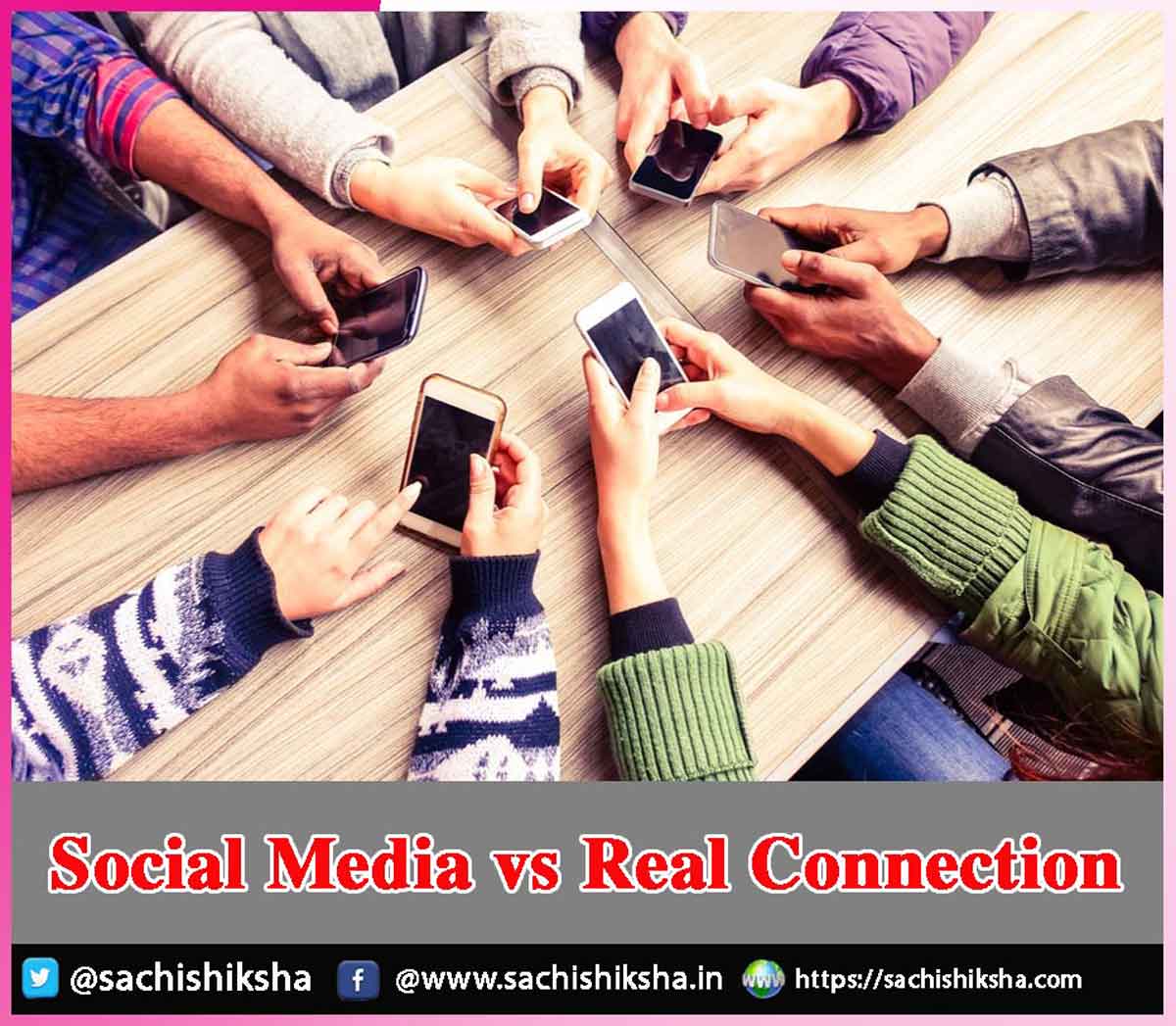
One of the biggest differences lies in attention. Social media thrives on divided focus. Notifications interrupt conversations; scrolling competes with listening. Even when we’re physically together, the pull of the screen can dilute the moment. Real connection demands attention—not perfection, just presence. Being truly heard and seen requires us to put something else down, even briefly.
Emotional Depth
There’s also an emotional contrast. Online validation can be instant, but it’s fleeting. A post performs well today and disappears tomorrow. Real connection builds emotional memory. It is cumulative. It shows up during setbacks, not just milestones. While social media can amplify joy, it often struggles with grief, confusion, or nuance—states that don’t fit neatly into shareable formats.
A False Drive
That said, framing this as a battle misses the point. Social media and real connection don’t have to compete; they can complement each other. Digital platforms can open doors, start conversations, and maintain bonds that real life alone cannot sustain. But they work best when they point us back to deeper engagement, not replace it.
Intentional Use
The challenge, then, is intentionality. Using social media consciously—without letting it define our self-worth or replace our need for genuine interaction—makes all the difference. It’s choosing a phone call over a comment when it matters. It’s meeting someone offline after connecting online. It’s remembering that behind every profile is a person craving the same thing we are: to be understood.
Conclusion
In the end, connection isn’t about the medium; it’s about meaning. Social media can connect us widely, but real connection connects us deeply. And in a noisy digital world, depth is what we need most.