


















The Power of Lifelong Learning
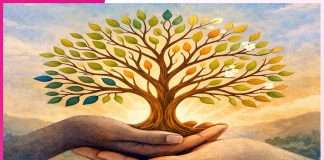
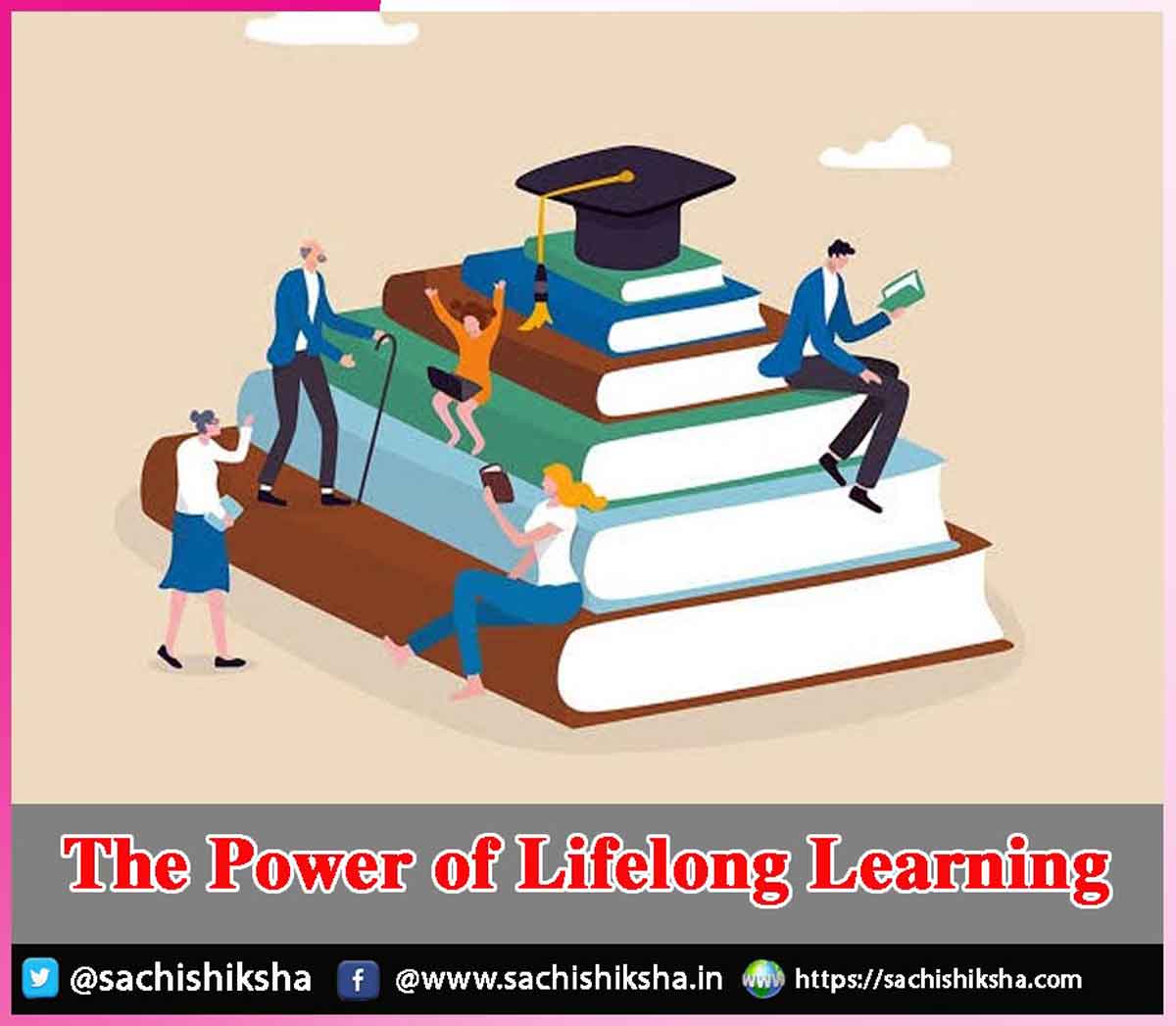
Introduction: In a world that changes faster than ever, the ability to keep learning is no longer optional—it is essential. Lifelong learning is the ongoing, voluntary, and self-motivated pursuit of knowledge throughout one’s life. It goes beyond classrooms, degrees, and certificates. At its core, it is a mindset: the belief that growth does not stop at a certain age, job title, or stage of life.
Table of Contents
Lifelong Learning and Adaptability
One of the greatest powers of lifelong learning lies in its ability to help individuals adapt. Technology, industries, and job roles evolve constantly. Skills that were valuable a decade ago may become outdated today. Lifelong learners stay relevant because they are willing to update their knowledge, learn new tools, and rethink old ways of working. This adaptability not only improves employability but also builds confidence to face change rather than fear it.
Role in Personal Growth
 Lifelong learning also fuels personal growth. When people continue to learn, they develop a deeper understanding of themselves and the world around them. Learning a new language, exploring history, developing a creative skill, or gaining financial literacy can be deeply empowering. It sharpens critical thinking, encourages curiosity, and helps individuals form informed opinions instead of relying on passive assumptions. Over time, this habit shapes more open-minded, reflective, and resilient individuals.
Importance in Professional Life
In professional life, lifelong learning is a powerful driver of success. Employers increasingly value individuals who show initiative in learning rather than those who depend only on formal qualifications. Continuous learning improves problem-solving skills, decision-making, and innovation. Professionals who invest in learning are better prepared to take on leadership roles, as leadership itself requires constant growth. Thus, lifelong learning supports not just career advancement but long-term career sustainability.
Social Benefits of Lifelong Learning
Beyond individual benefits, lifelong learning strengthens society as a whole. Informed citizens are more likely to engage thoughtfully with social, economic, and environmental issues. Learning promotes empathy by exposing people to different cultures, perspectives, and experiences. Societies that value lifelong learning tend to be more inclusive, progressive, and capable of addressing complex challenges.
Impact on Mental Well-Being
Another important aspect of lifelong learning is its positive impact on mental well-being. Learning keeps the mind active and engaged, which is especially important as people age. Studies show that continuous mental stimulation can improve memory, reduce cognitive decline, and increase overall life satisfaction. Learning also gives people a sense of purpose—something to work towards and feel proud of achieving.
Accessibility of Learning Today
What makes lifelong learning especially powerful today is its accessibility. With online courses, podcasts, digital libraries, workshops, and learning communities, education has become more flexible and inclusive than ever before. People can learn at their own pace, according to their interests, often at little or no cost. This democratisation of knowledge removes traditional barriers and makes learning a lifelong companion rather than a limited phase.
Conclusion
The power of lifelong learning lies in its ability to transform individuals, careers, and societies. It equips people to adapt to change, enriches personal and professional lives, and nurtures a more thoughtful and resilient world. Lifelong learning is not about knowing everything; it is about staying curious, open, and willing to grow. By embracing learning as a lifelong journey, we invest not only in our own future but also in the future of the world around us.