
























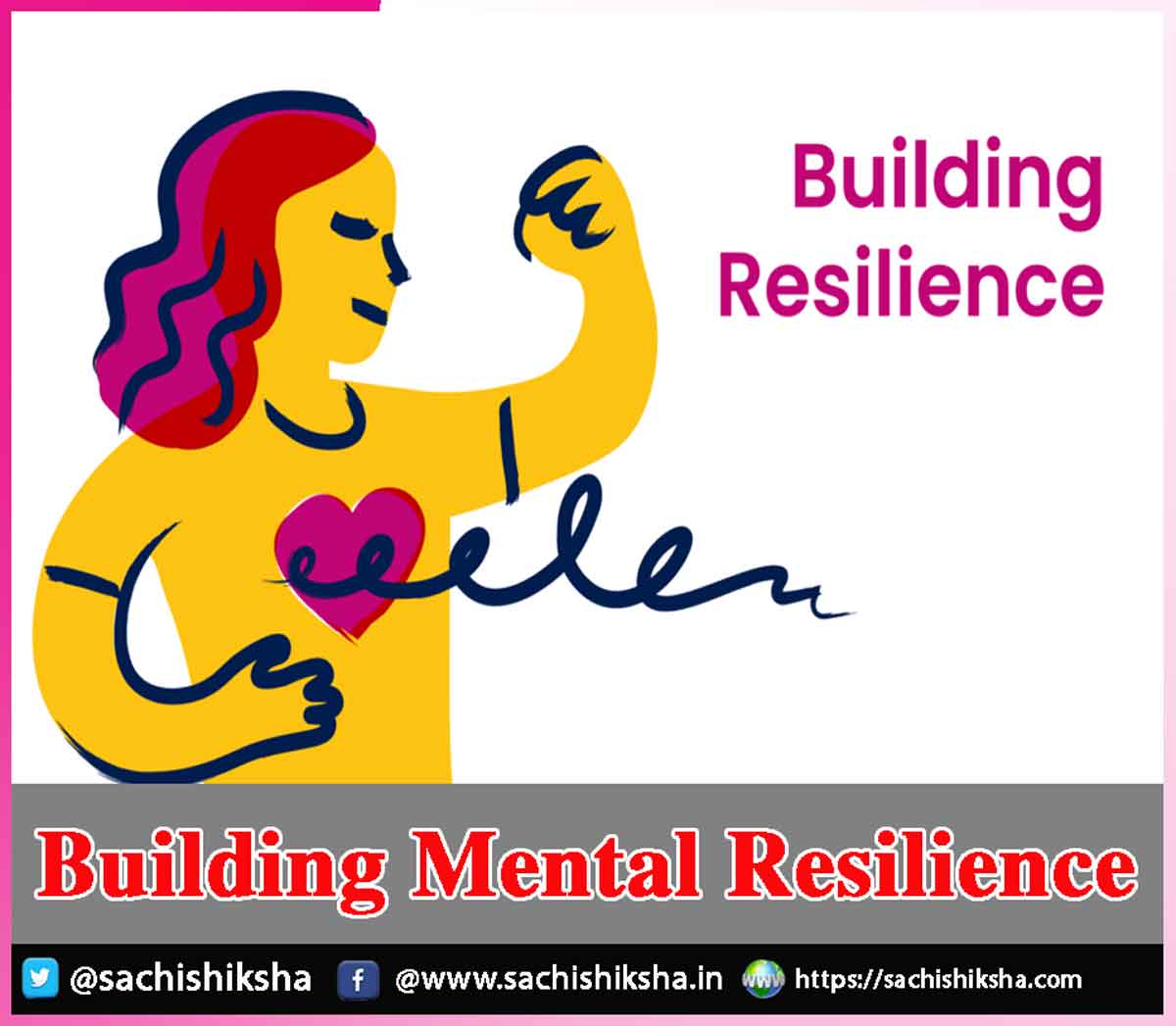
Building Mental Resilience
Introduction: In a world that moves quickly and constantly demands more from us, mental resilience has become one of the most valuable life skills. From academic pressure and workplace stress to personal setbacks and uncertainty, challenges are unavoidable. What truly makes a difference is not the absence of difficulties, but how we respond to them. Mental resilience is the ability to adapt, recover, and move forward even when circumstances feel overwhelming. It is important to understand that resilience is not something people are simply born with. It is a skill that can be developed with awareness, practice, and patience.
Table of Contents
Meaning of Resilience
 Many people assume that being mentally resilient means staying strong at all times or never feeling emotional. In reality, resilience does not mean suppressing emotions or pretending everything is fine. It means acknowledging stress, disappointment, or fear and still choosing to respond constructively.
Resilient individuals experience setbacks just like anyone else. The difference lies in how they interpret those setbacks. Instead of seeing failure as a permanent defeat, they view it as a temporary obstacle or a learning opportunity. This shift in perspective plays a powerful role in emotional recovery.
Importance of Perspective
Self-awareness is the foundation of resilience. When individuals understand their emotional triggers, strengths, and coping patterns, they are better equipped to handle stress. Taking a moment to pause and reflect before reacting can prevent small problems from escalating.
Equally important is maintaining a balanced perspective. Challenges often feel larger when we view them as permanent or uncontrollable. By reminding ourselves that situations change and growth is possible, we reduce emotional intensity and regain a sense of control. For example, a missed opportunity or a poor performance can either damage confidence or serve as motivation for improvement. The interpretation shapes the outcome.
Healthy Coping Mechanisms
Building mental resilience also requires adopting healthy coping mechanisms. While avoidance or distraction may offer temporary relief, they rarely solve the root problem. Constructive habits such as regular exercise, journaling, meditation, or even engaging in hobbies help release stress in healthier ways. Sleep, nutrition, and daily routines may seem basic, but they strongly influence emotional stability. A tired or physically drained mind finds it harder to cope with pressure. Maintaining physical well-being supports mental strength.
Seeking social support is equally important. Sharing concerns with trusted friends, family members, or mentors reduces feelings of isolation. Knowing that someone understands and supports you can significantly improve emotional endurance.
Power of a Growth Mindset
A growth mindset strengthens resilience over time. Individuals who believe that skills and abilities can improve through effort are more likely to persist during challenges. Instead of thinking, “I am not capable,” they think, “I can improve with practice.” This mindset encourages learning from mistakes rather than fearing them. Over time, repeated experiences of overcoming obstacles build confidence and adaptability.
Practicing Self-Compassion
One often overlooked aspect of resilience is self-compassion. Being overly critical during difficult times can intensify stress. Treating oneself with kindness, especially after setbacks, promotes faster emotional recovery. Accepting imperfections does not mean lowering standards; it means allowing space for growth.
Conclusion
Strengthening mental resilience is an ongoing journey rather than a one-time achievement. It involves self-awareness, healthy habits, supportive relationships, and a mindset focused on growth. While life will always present challenges, developing inner strength allows individuals not only to withstand pressure but to grow from it. In the long run, resilience is not about avoiding hardship; it is about learning how to rise stronger each time we face it.