

























AI in the Classroom
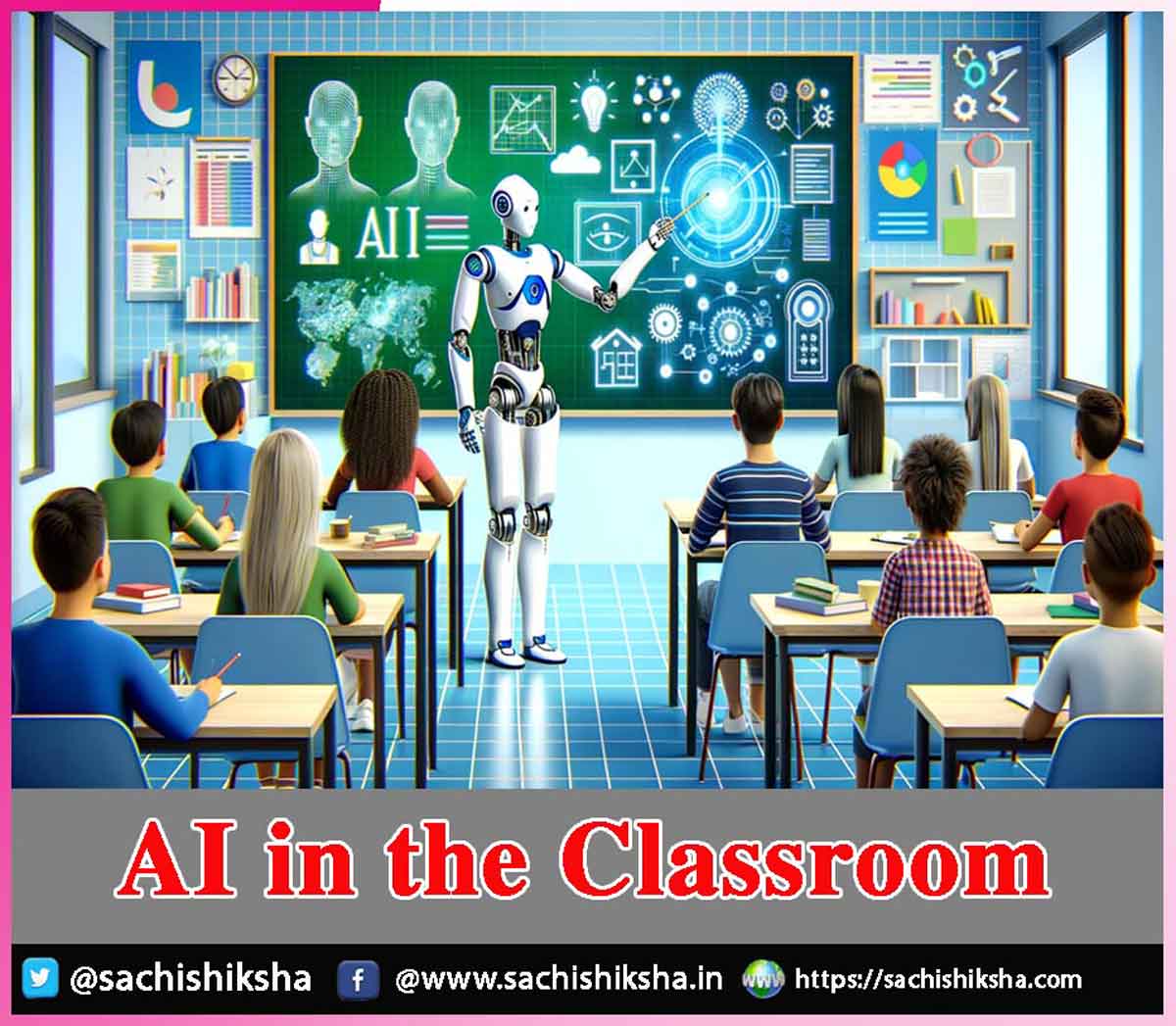
Introduction: One of the most transformative spaces where AI is making its mark is education. Classrooms around the world are evolving into smart learning environments where AI tools support teachers, personalize learning, and help students gain future-ready skills. While this shift brings exciting opportunities, it also invites important discussions about ethics, equality, and the future of human teaching.
Table of Contents
Personalized Learning Through AI
AI’s greatest strength in education lies in personalisation. Traditionally, a single teacher may manage 30–40 students in one classroom, each with different strengths, interests, and learning speeds. AI-powered platforms can adapt to these differences in real time. By tracking student progress, identifying areas of difficulty, and recommending targeted practice, AI ensures that learners are neither left behind nor held back.
Support for Teachers
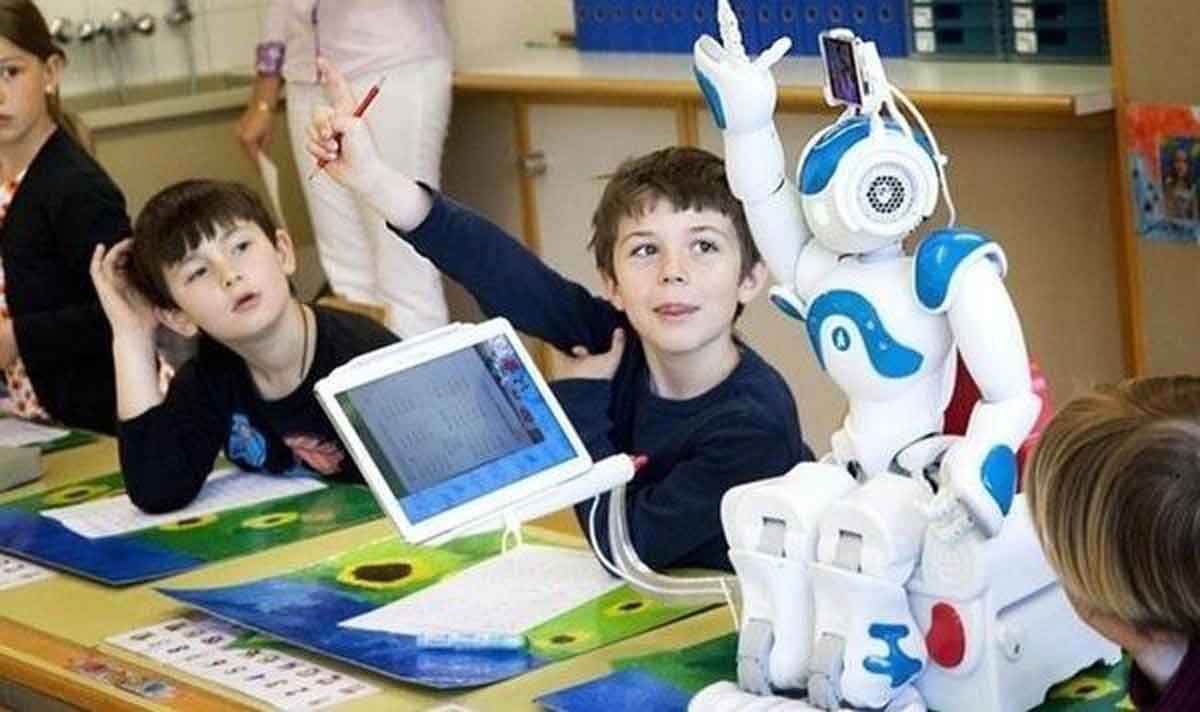 Teachers also benefit significantly from AI integration. Educators spend a considerable amount of time on administrative tasks such as grading assignments, planning lessons, and maintaining records. AI tools can automate grading for quizzes and objective assessments, analyse classroom data, and suggest learning resources aligned with curriculum goals. This allows teachers to devote more time to interactive teaching, mentoring, and fostering creativity and emotional development. In this way, AI acts as a supportive partner rather than a replacement for educators.
Inclusivity and Accessibility
Inclusivity is another major advantage of AI in the classroom. AI-driven accessibility tools help remove barriers for students with disabilities. Speech-to-text software supports learners with writing difficulties, while text-to-speech tools assist visually impaired students in accessing reading materials. Language translation features also help students from multilingual backgrounds understand lessons better and participate actively. Thus, AI promotes a more equitable learning environment.
Preparing Students for the Future
Furthermore, AI exposes students to essential skills needed in a technology-driven future. By learning how AI systems function and by developing digital problem-solving abilities, students become better prepared for modern careers and lifelong learning.
Concerns About Human Connection
Despite its benefits, there is concern that AI may weaken the human connection in education. Learning is not merely about acquiring information; it also involves empathy, social development, and emotional support. Teachers provide guidance, motivation, and moral values that machines cannot replicate.
Conclusion
AI in the classroom represents a powerful step forward in education. It supports teachers, personalizes learning, improves accessibility, and prepares students for future challenges. At the same time, educational institutions must address ethical and equity concerns to ensure that AI benefits every learner fairly. With thoughtful implementation, AI and educators can work together to create a smarter, more inclusive, and engaging learning environment for the next generation.