





























Digital Detox: Why It Matters
Introduction: In today’s technology-driven world, digital devices have become an essential part of everyday life. Smartphones, laptops, tablets, and social media platforms allow people to communicate, work, learn, and entertain themselves with remarkable convenience. However, the constant presence of technology has also created new challenges for mental and physical well-being. Many individuals now spend several hours each day looking at screens, often without realizing how much time has passed. This growing dependence on digital devices has led to the concept of a digital detox, which refers to intentionally taking a break from screens and online platforms to restore balance in daily life.
Table of Contents
Understanding Digital Overload
Digital overload occurs when people are exposed to excessive information, notifications, and online interactions throughout the day. Emails, social media updates, news alerts, and messages constantly compete for attention. As a result, many individuals find it difficult to disconnect from their devices, even during personal time.
This constant stimulation can lead to mental fatigue and reduced concentration. When the brain is continuously switching between tasks and notifications, it struggles to maintain deep focus. Over time, this pattern may decrease productivity and make it harder for individuals to engage in meaningful activities such as reading, creative work, or thoughtful conversations.
Effects on Mental Health
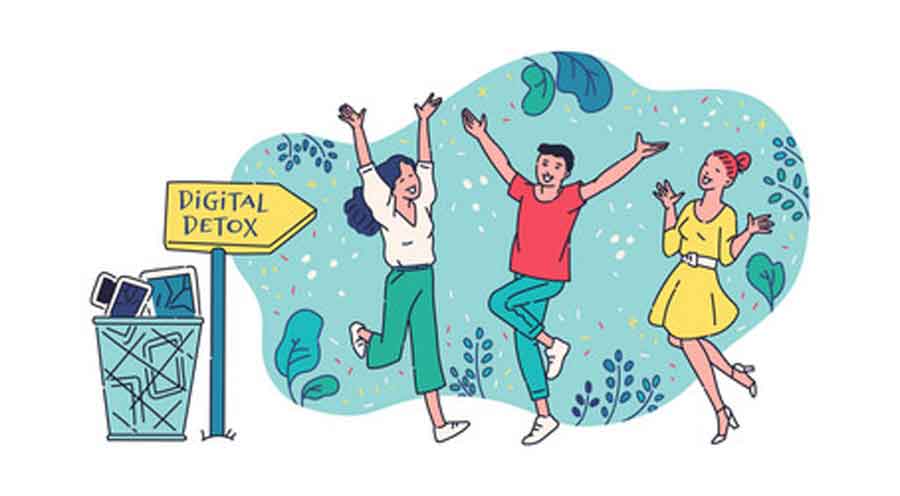 One of the most significant reasons a digital detox has become important is its impact on mental health. Spending long periods on social media or online platforms can sometimes create feelings of comparison, stress, or anxiety. People often see carefully curated versions of others’ lives online, which may lead to unrealistic expectations about success, appearance, or lifestyle.
Excessive screen time can also affect emotional well-being by reducing opportunities for real-life social interaction. Face-to-face conversations help build stronger emotional connections, while digital communication often lacks the depth of personal interaction. Taking regular breaks from digital platforms allows individuals to reconnect with themselves and the people around them.
Impact on Sleep and Physical Health
Digital habits can also influence sleep quality and physical health. Many people use their phones or computers late at night, which exposes them to blue light emitted by screens. This light can interfere with the body’s natural sleep cycle by reducing the production of melatonin, a hormone responsible for regulating sleep.
Poor sleep can lead to fatigue, irritability, and difficulty in concentrating during the day. In addition, long hours of screen use may contribute to eye strain, headaches, and poor posture. Practicing digital detox by limiting screen time, especially before bedtime, can help improve sleep patterns and overall physical well-being.
Benefits of Taking a Digital Break
A digital detox does not require completely abandoning technology. Instead, it encourages individuals to create healthier boundaries with their devices. Even small changes, such as setting specific times to check messages or taking screen-free breaks during the day, can have a positive impact.
Taking time away from screens allows people to focus on activities that promote relaxation and creativity. Spending time outdoors, reading a book, exercising, or engaging in hobbies can help refresh the mind and reduce stress. Many people also find that stepping away from digital distractions improves their productivity and helps them manage time more effectively.
Digital detox can also strengthen relationships. When individuals are fully present during conversations without constantly checking their phones, communication becomes more meaningful and engaging. This improves both personal and professional connections.
Practical Ways to Practice Digital Detox
Adopting a digital detox routine does not have to be difficult. Simple habits can gradually reduce digital dependence. For example, turning off non-essential notifications can minimize constant interruptions. Setting a “no-phone” rule during meals or before bedtime can also help create healthier routines.
Another helpful approach is scheduling regular screen-free periods during the day. Even short breaks can allow the brain to rest and reset. Some people choose to dedicate one day of the week to reducing online activity and focusing on offline experiences.
Conclusion
Technology has brought many benefits to modern life, but maintaining a balance between digital and offline activities is essential for well-being. A digital detox provides an opportunity to step back from constant online engagement and reconnect with real-world experiences. By managing screen time more consciously, individuals can protect their mental health, improve sleep quality, and develop stronger relationships. In a world where digital devices are always within reach, taking time to unplug has become more important than ever.