


























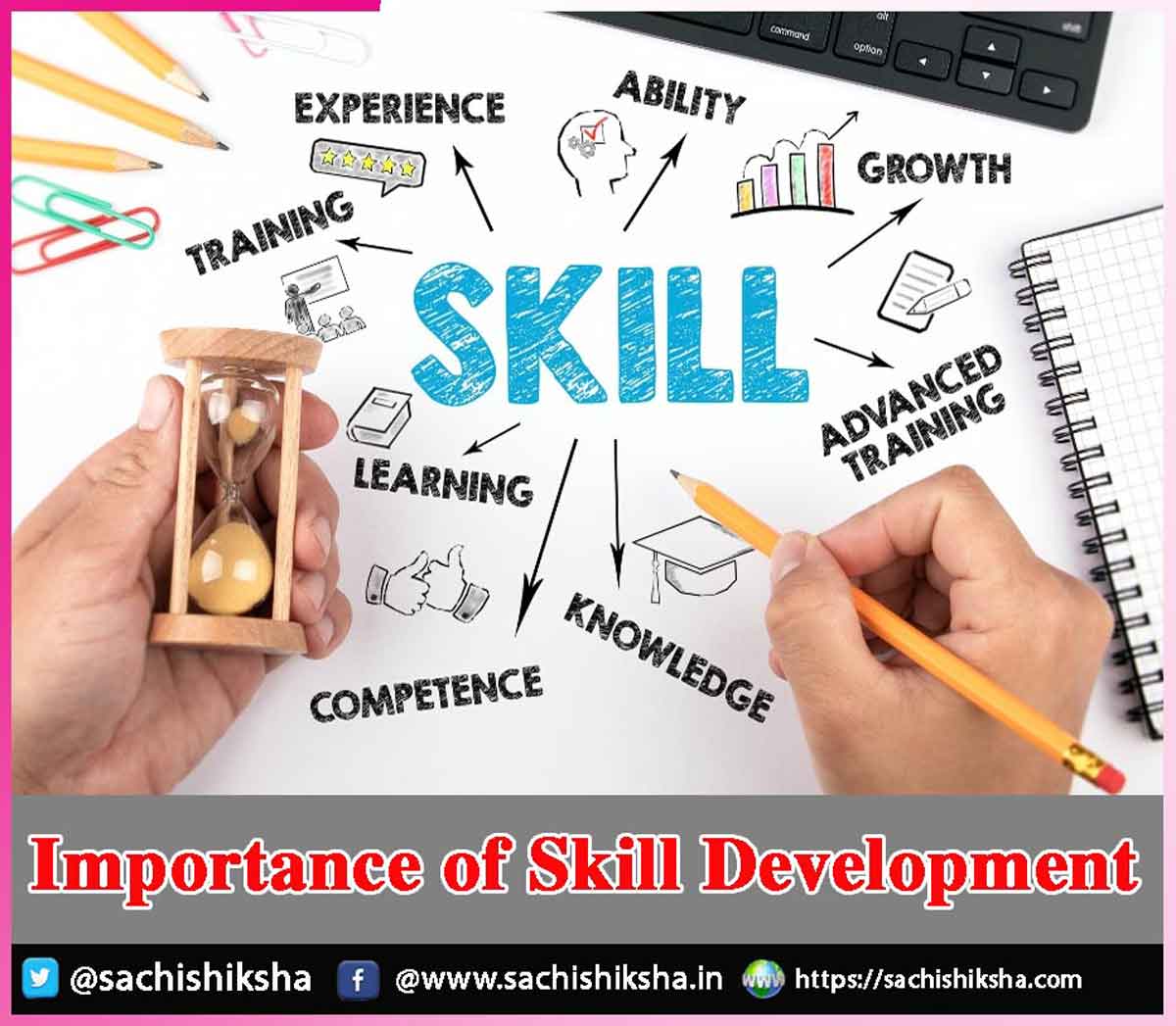
Importance of Skill Development
Introduction: In a rapidly changing world, the importance of skill development has become more significant than ever. Education provides theoretical knowledge, but skills help individuals apply that knowledge in practical situations. Whether in academics, professional careers, or everyday life, developing the right skills plays a crucial role in personal growth and long-term success. As industries continue to evolve with technological advancements and changing demands, individuals must constantly learn and upgrade their abilities to remain relevant and competitive.
Table of Contents
Understanding Skill Development
Skill development refers to the process of identifying, learning, and improving abilities that help individuals perform tasks effectively. These skills can be technical, such as programming or data analysis, or soft skills like communication, teamwork, and problem-solving. Both types of skills are equally important because they contribute to a person’s overall capability and confidence.
 For students and young professionals, skill development provides the foundation for building a successful career. While academic qualifications may open opportunities, practical skills often determine how effectively a person performs in a real-world environment.
Enhancing Employability
One of the most important benefits of skill development is improved employability. Employers today look for individuals who not only possess degrees but also demonstrate practical abilities that can contribute to the organization’s goals. Skills such as critical thinking, adaptability, digital literacy, and effective communication are highly valued across various industries.
When individuals continuously improve their skills, they increase their chances of securing better job opportunities. Skill development also enables professionals to adapt to changing work environments and technological innovations. This adaptability is essential in modern workplaces where new tools and systems are frequently introduced.
Boosting Confidence and Productivity
Developing new skills can significantly boost an individual’s confidence. When people feel capable of handling different tasks and challenges, they are more likely to take initiative and explore new opportunities. Confidence gained through skill mastery often leads to higher motivation and productivity.
Skill development also helps individuals manage their work more efficiently. For example, learning time management techniques can improve productivity, while communication skills can strengthen teamwork and collaboration. These abilities not only benefit professional life but also improve personal interactions and decision-making.
Encouraging Lifelong Learning
Skill development promotes the mindset of lifelong learning. In today’s dynamic world, knowledge quickly becomes outdated if it is not updated regularly. By continuously learning new skills, individuals stay informed about current trends and developments in their fields.
This habit of continuous learning encourages curiosity and intellectual growth. It allows individuals to explore new interests, expand their perspectives, and remain adaptable in a changing environment. Lifelong learning also helps people remain resilient when facing career transitions or unexpected challenges.
Role in Personal Growth
Beyond career benefits, skill development contributes greatly to personal growth. Learning new abilities helps individuals discover their strengths and interests. It encourages creativity, independence, and problem-solving abilities.
For example, developing leadership skills can help individuals guide teams effectively, while emotional intelligence can improve relationships and decision-making. These personal skills enhance the overall quality of life by helping individuals navigate challenges with confidence and clarity.
Conclusion
Skill development is a vital component of success in both personal and professional life. While formal education provides foundational knowledge, practical skills allow individuals to apply that knowledge effectively. By continuously improving their abilities, people can enhance their employability, build confidence, and adapt to an ever-changing world. Ultimately, investing time and effort in skill development not only strengthens career opportunities but also supports lifelong growth and learning.