
























Race for Water Security
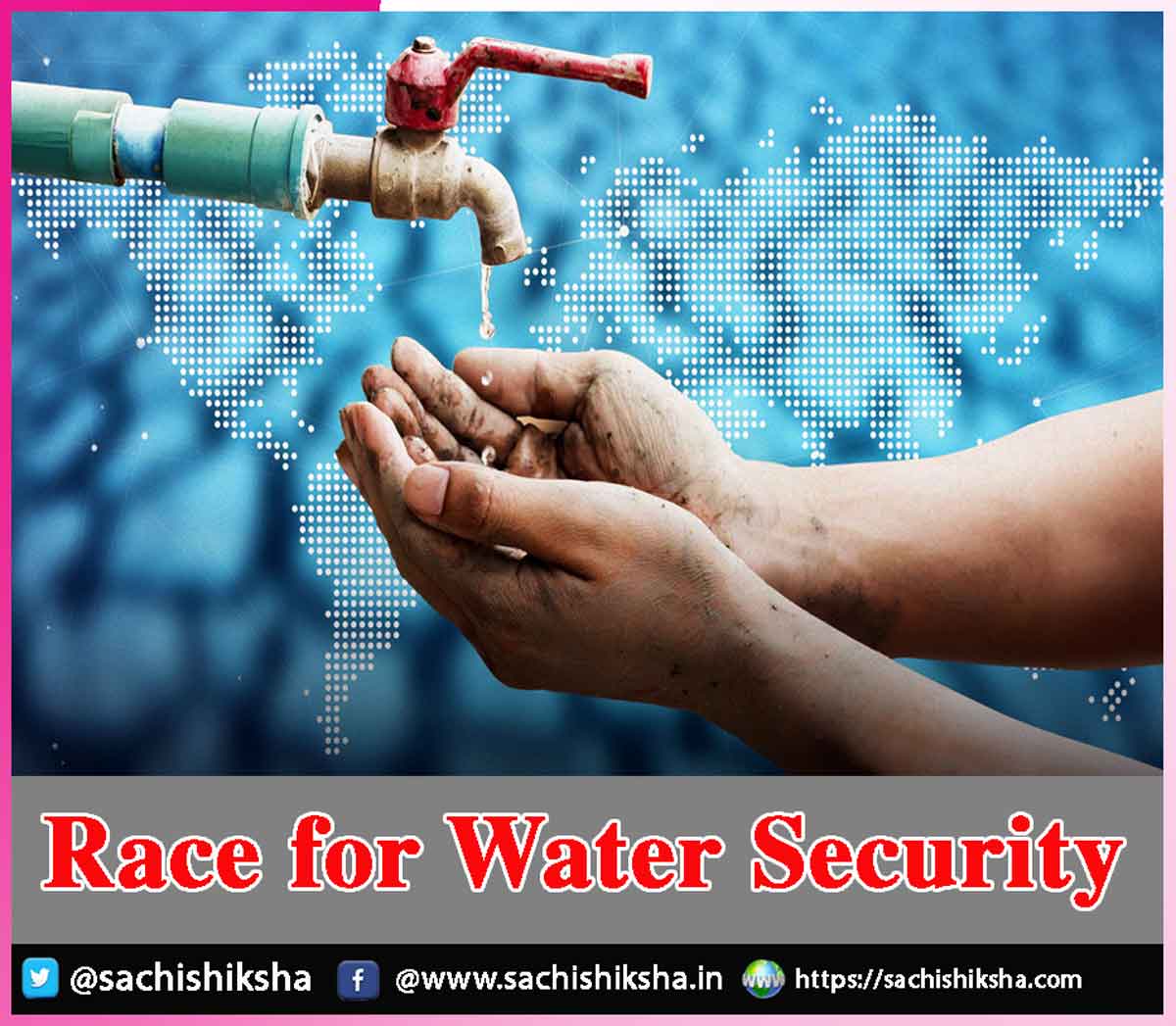
Introduction: Water is no longer just a natural resource; it has become one of the most critical strategic assets of the twenty-first century. The global “Race for Water Security” reflects the growing urgency among nations to protect, manage, and sustain freshwater resources in the face of climate change, population growth, industrial expansion, and urbanization. As water demand rises and natural supply becomes increasingly unpredictable, countries are being forced to rethink how they source, store, distribute, and conserve this vital resource.
Table of Contents
Climate Change and Water Stress
Climate change has significantly disrupted traditional water cycles. Melting glaciers, irregular rainfall, prolonged droughts, and rising temperatures are shrinking freshwater reserves across many regions. Rivers that once flowed reliably now experience seasonal extremes, shifting from devastating floods to water-scarce dry periods. These variations are placing immense pressure on agricultural systems, power generation, drinking water supplies, and industrial operations, thereby intensifying the global competition to secure dependable access to water.
Urbanization and Growing Demand
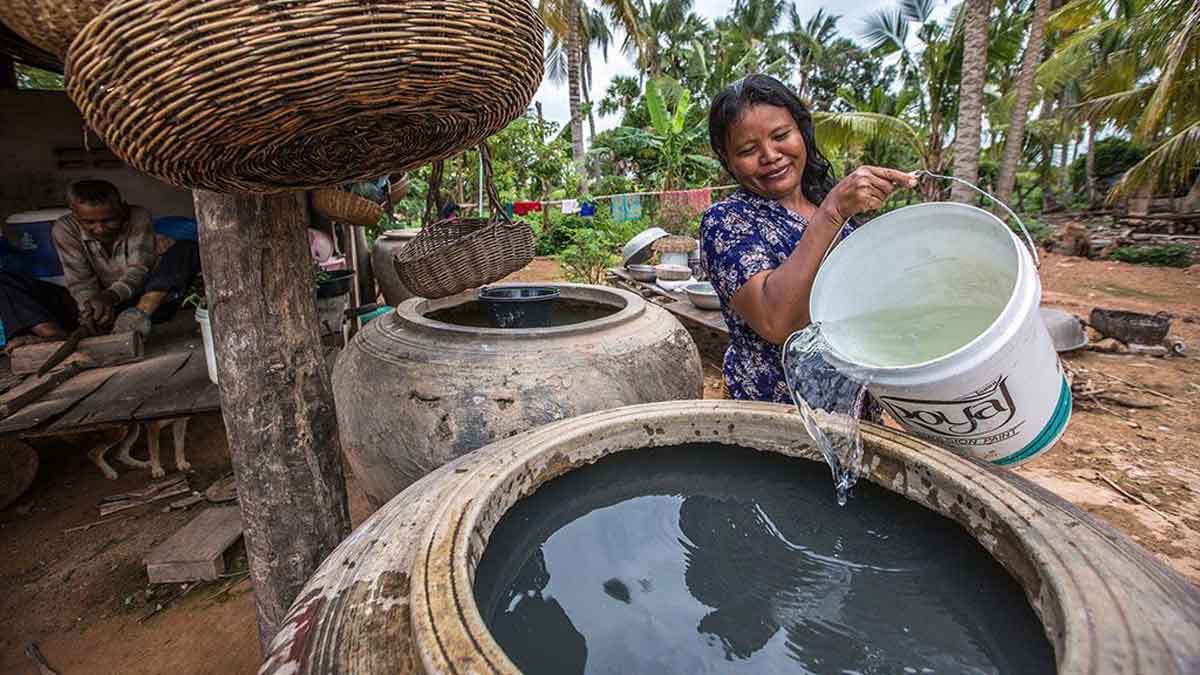 Urbanization is further accelerating this race. Rapidly growing cities demand massive volumes of freshwater for households, sanitation, and infrastructure. At the same time, industrial sectors such as energy, manufacturing, and mining are becoming heavy consumers of water. This overlap in demand has intensified conflicts between regions, states, and even countries that share common rivers and underground aquifers. Transboundary water disputes are now emerging as silent geopolitical flashpoints, with water increasingly influencing diplomacy, trade, and security strategies.
Technology and Water Security
Technology has become a central driver in the race for water security. Nations are investing heavily in desalination plants, wastewater recycling, rainwater harvesting systems, and smart water management technologies. Advanced monitoring systems powered by artificial intelligence and satellite data allow governments to track water usage, detect leaks, and optimise distribution. These innovations are helping some regions reduce water stress, but they also highlight the gap between developed and developing nations in accessing high-cost water infrastructure.
Cooperation and Sustainability
However, the race for water security is not only about competition; it is equally about cooperation. Sustainable water management requires shared responsibility, international agreements, and community-level conservation efforts. Public awareness, responsible consumption, and strong policy frameworks are essential to prevent future water crises. Without collaborative action, water scarcity could escalate into humanitarian emergencies and regional conflicts.
Conclusion
The race for water security will define future global stability. Nations that successfully balance conservation, innovation, and governance will be better positioned to protect their populations, economies, and ecosystems. As freshwater becomes one of the world’s most valuable resources, securing it is no longer optional; it is essential for survival and long-term peace.