



























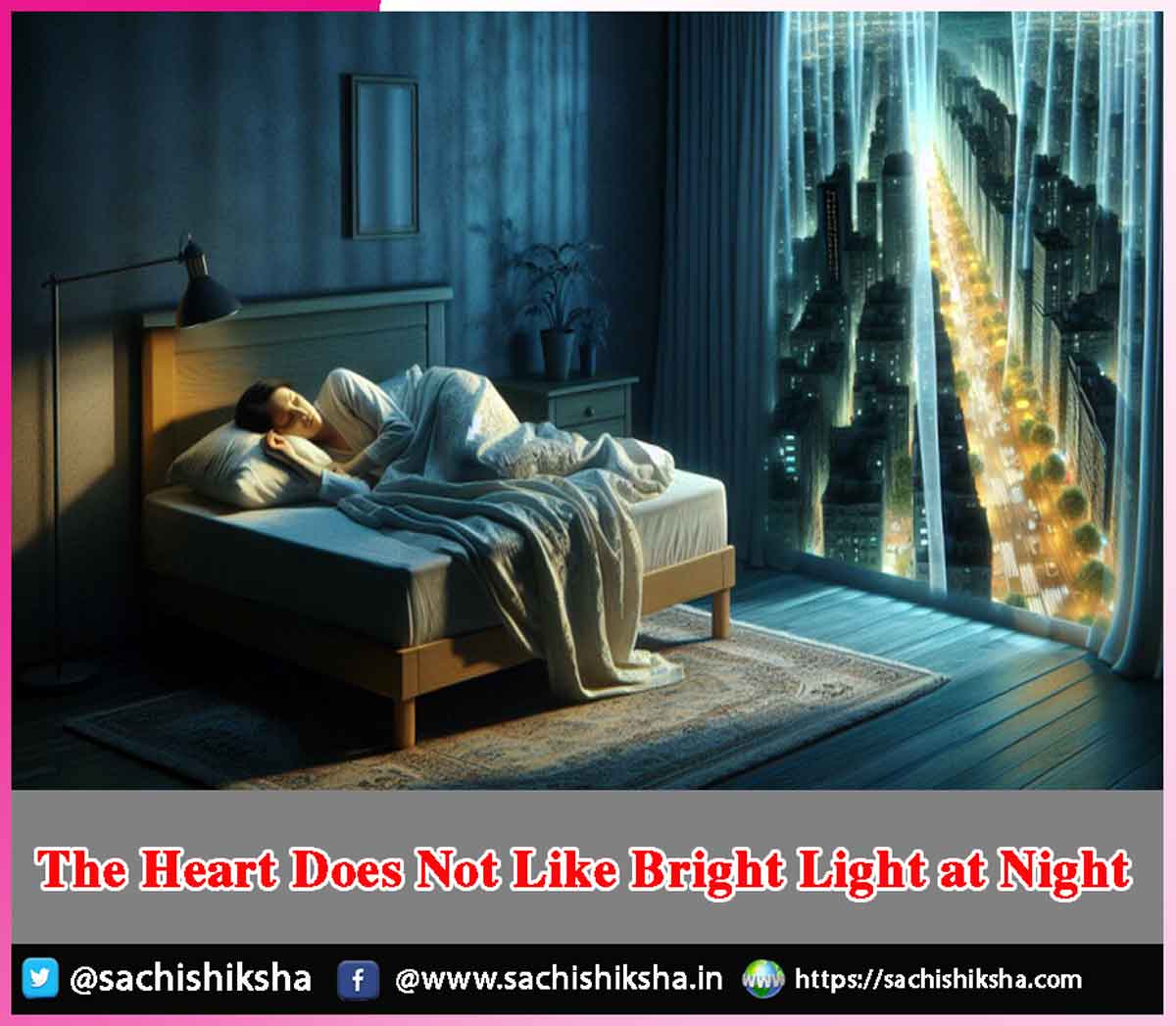
The Heart Does Not Like Bright Light at Night
Table of Contents
Revealed in the Study:
- Bright night-time light affects the internal system of the human body.
- The risk of heart disease increases.
If you have a habit of sleeping with the lights on or using your phone in bed before going to sleep, it can prove dangerous for your heart. The scientists from Australia’s Flinders University have made a shocking revelation. They believe that bright light at night can be very harmful for the human heart. It disturbs the body’s internal system, which can increase the risk of heart disease and high blood pressure. The researchers studied this subject in 89,000 people over nine years. They concluded that staying in excessive light at night can increase the risk of a heart attack by 50%.
 The scientists at Flinders University placed sensors on the wrists of study participants, which collected 1.3 million hours of light-exposure data. The research revealed that night-time light exposure increased the risk of heart attack by 47%, coronary artery disease by 32%, and stroke by 28%. The study shows that night-time light exposure is an independent and significant risk factor for heart disease in people over 40 years of age. Lead author Daniel Windred stated that this is the first time such a large-scale study has demonstrated that night-time light exposure is a major risk factor for heart disease. When the body’s circadian clock is repeatedly disrupted by bright light, it can lead to serious heart problems. Furthermore, women and young people are more affected by this light. Flinders University professor and senior co-author Sean Cain stated that women are more sensitive to light-related disruptions to their body clock.
What to Do to Avoid Such Risks
- Keep the room as dark as possible at night and use blackout curtains, sleep masks, or other means to block out light.
- Get outside during the day. The more sunlight you get during the day, the better your body can resist the effects of night-time light.
- Turn off screens (TV, smartphone, tablet, etc.) at least two hours before bed.
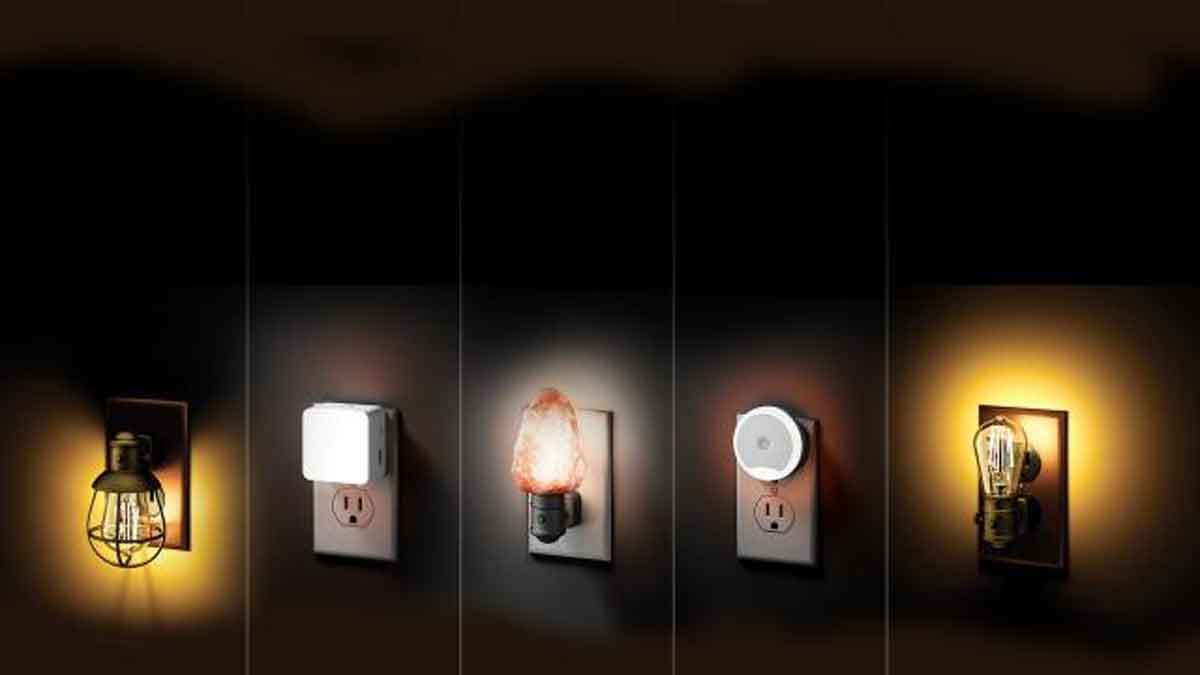
- Use Night Shift or similar display options on devices. When purchasing new devices, check whether this feature is available. If you need light at night, consider using red-light bulbs.
- Maintain a regular activity and sleep schedule, going to bed and waking up at the same time every day.