




















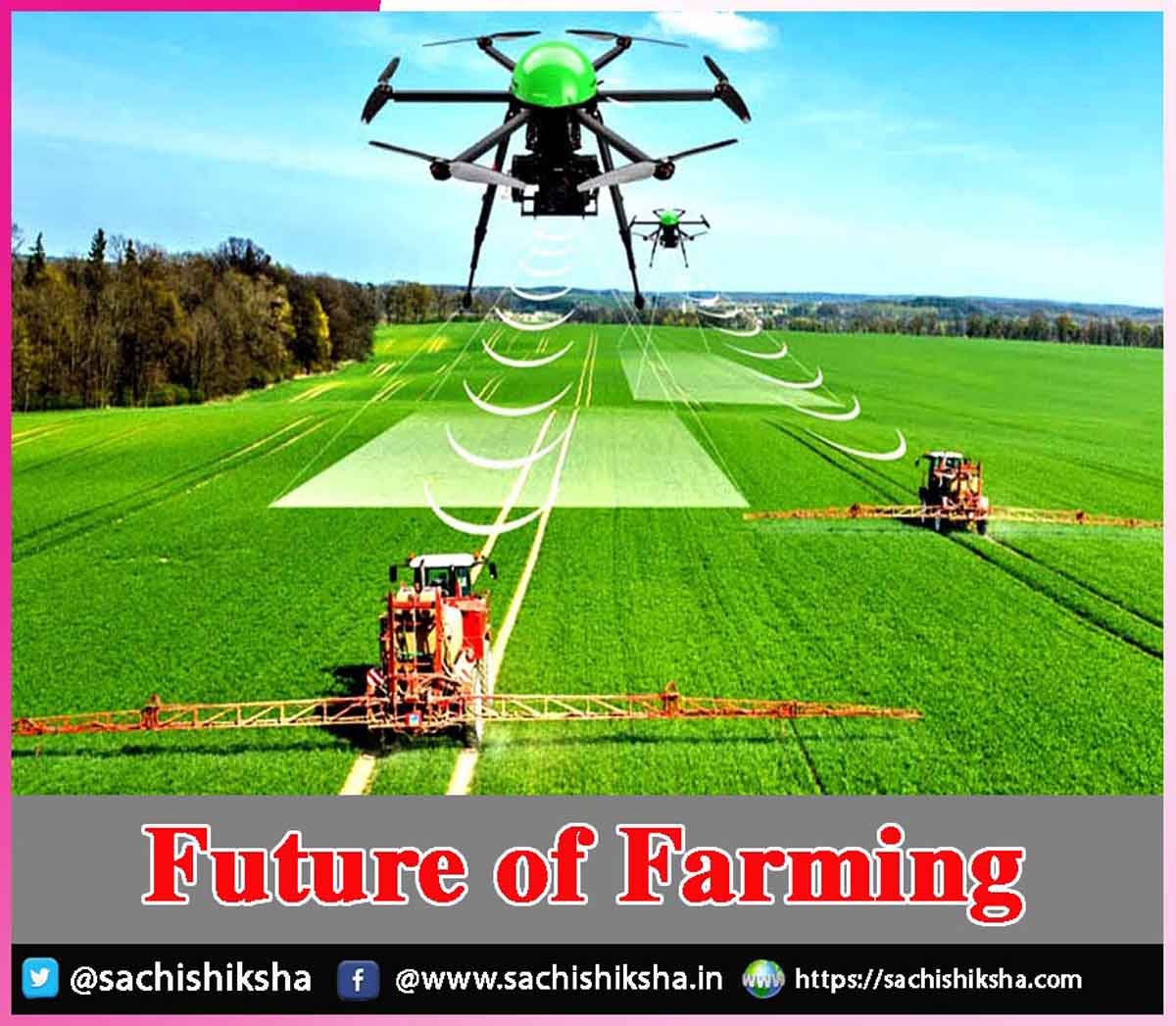
Future of Farming
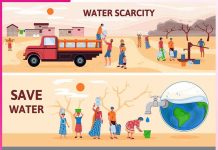
Introduction: Agriculture has always been the backbone of human civilization, ensuring food security and supporting economies. However, as the global population approaches 10 billion by 2050, the pressure on farmers and farming systems is increasing rapidly. Limited land availability, climate change, water scarcity, and soil degradation threaten traditional agricultural practices. To feed the future sustainably, farming must evolve through technological innovation, environmental stewardship, and smarter resource management.
Table of Contents
Rise of Smart and Precision Farming
 One of the most promising shifts in the agricultural landscape is the rise of smart farming, also known as precision agriculture. This approach uses advanced technologies such as GPS-guided equipment, drones, artificial intelligence (AI), and Internet of Things (IoT) sensors to monitor crops and livestock more accurately. For example, soil sensors can assess moisture and nutrient levels in real time, helping farmers apply water and fertilizers only when necessary. Drones provide aerial imagery to detect pest attacks, enabling targeted treatment instead of widespread chemical use.
Sustainable and Regenerative Agriculture
The shift towards sustainable and regenerative agriculture is expected to grow stronger. Regenerative farming goes beyond sustainability by actively restoring soil health and increasing biodiversity in the soil. Healthy soil not only improves productivity but also serves as a natural climate solution by storing carbon that would otherwise contribute to global warming. Governments and global organisations are increasingly supporting such methods through incentives, training programmes, and policy reforms.
Alternative Food Production Systems
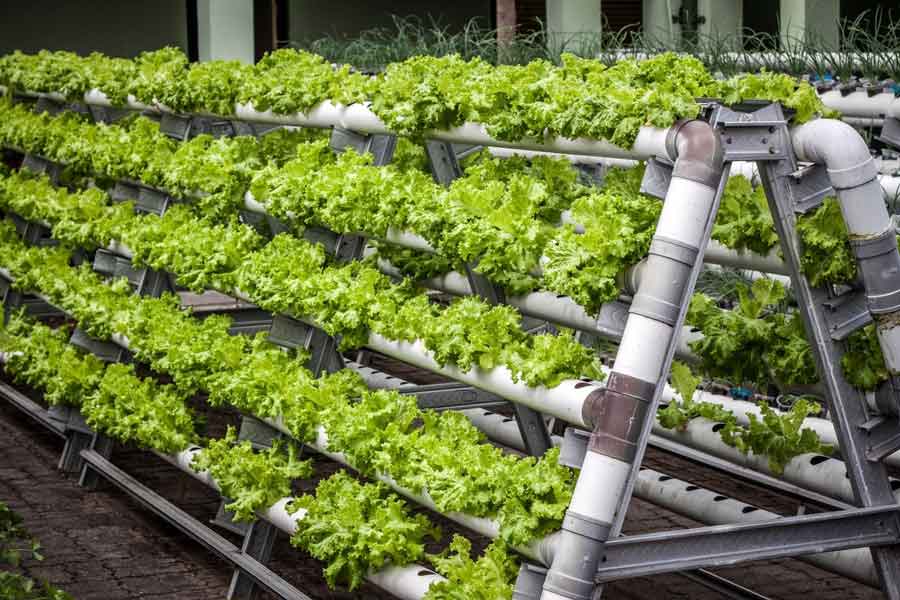
The future of farming also includes alternative food production methods such as plant-based proteins and automated aquaculture. These innovations address the environmental footprint of livestock farming, which currently contributes heavily to greenhouse gas emissions. Precision fermentation technology can produce nutritious proteins with minimal land use, transforming how the world sources its food.
Changing Role of Farmers
Farmers themselves are at the centre of this transformation. The modern farmer must be a skilled technologist, data analyst, and environmental steward. Support through education, digital tools, fair pricing, and access to finance will be critical to help farmers adapt. Small-scale farmers, especially in developing countries, should receive targeted assistance to ensure they are not left behind in the technological shift.
Conclusion
The future of farming is a blend of smart technologies, climate resilience, and sustainable practices. It aims to produce more food using fewer resources while protecting the planet for future generations. Although the transformation may be challenging, it also presents opportunities to create a food system that is efficient, equitable, and environmentally responsible. By embracing innovation and working collaboratively, the world can cultivate a greener and more secure agricultural future.