























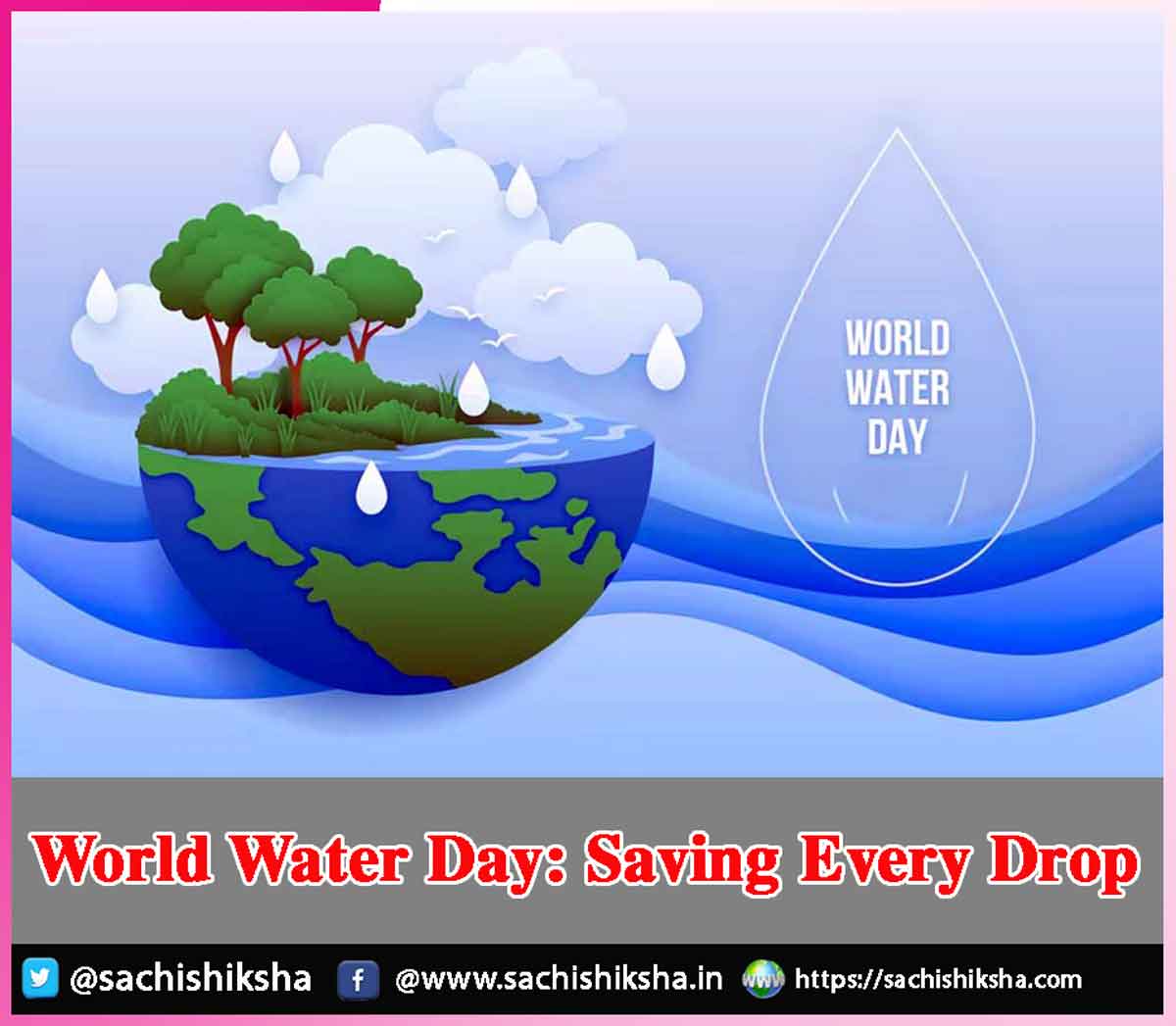
World Water Day: Saving Every Drop
Introduction: World Water Day, observed every year on March 22, is an important occasion for raising awareness about water-related issues and promoting the sustainable use of water resources across the globe. This day, designated by the United Nations in 1992, serves as a reminder of the crucial role water plays in sustaining life on Earth and calls on individuals, communities, and governments to take action towards ensuring access to clean water for all.
Table of Contents
Purpose of World Water Day
Each year, World Water Day adopts a specific theme to highlight different aspects of water challenges. The day aims to provide a platform for global dialogue and inspire positive change towards achieving the United Nations’ Sustainable Development Goal (SDG) 6: “Clean Water and Sanitation for All by 2030.”
The Global Water Crisis
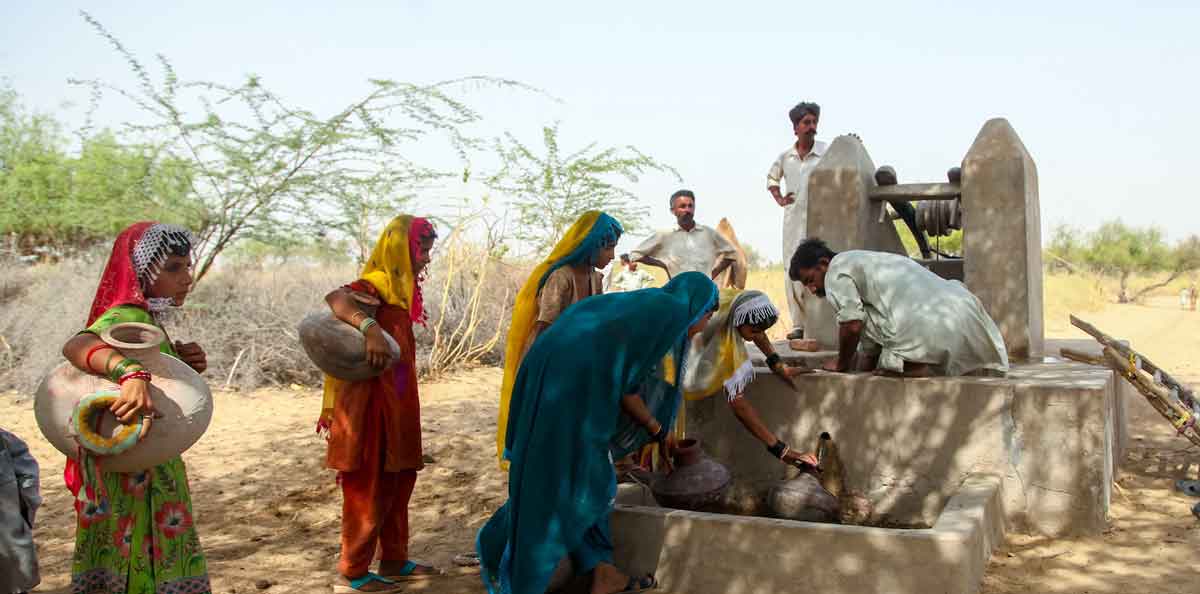 Despite water covering 70% of the Earth’s surface, only a small fraction of it—approximately 2.5%—is fresh water, and an even smaller portion is accessible for human consumption. According to the United Nations, over 2 billion people worldwide lack access to safely managed drinking water services, and approximately 4 billion people experience severe water scarcity for at least one month per year.
Causes of the Water Crisis
The global water crisis is largely driven by factors such as climate change, urbanization, population growth, and pollution. Climate change is altering precipitation patterns, resulting in prolonged droughts in some regions and extreme flooding in others. These shifts make water resources even more difficult to manage and exacerbate existing water scarcity.
Water Pollution
Another significant challenge highlighted by World Water Day is the increasing pollution of water sources. Agriculture, industry, and untreated sewage are the primary contributors to water pollution. Runoff from agricultural fields often carries harmful pesticides and fertilizers into rivers and lakes, while untreated wastewater from urban areas contaminates water bodies.
Impact on Human Health
Pollution not only threatens biodiversity in aquatic ecosystems but also harms human health. The World Health Organization estimates that more than 800,000 people die each year from diseases caused by unsafe drinking water and poor sanitation. Many of these deaths occur in low-income countries, where people rely on polluted water sources for daily consumption and agricultural activities.
Importance of Water Conservation
World Water Day also underscores the importance of water conservation and efficient water use. With water resources becoming increasingly strained, it is essential that we reduce water waste in our daily lives and adopt more sustainable practices. Simple actions such as turning off taps when not in use, fixing leaks, using water-efficient appliances, and reducing water-intensive agricultural practices can have a significant impact on reducing overall water consumption.
Role of Governments and Businesses
Ultimately, World Water Day is a call to action for the entire world. Governments must invest in water infrastructure, implement policies that protect water resources, and collaborate to solve shared water challenges. At the same time, businesses have a responsibility to reduce their water footprint and ensure that their practices are environmentally sustainable.
Conclusion
World Water Day is more than just a commemoration; it’s a reminder that the water challenges we face today demand collective action, innovative solutions, and a shared commitment to sustainable water management. By taking action now, we can ensure that future generations will have the water they need to thrive.