


























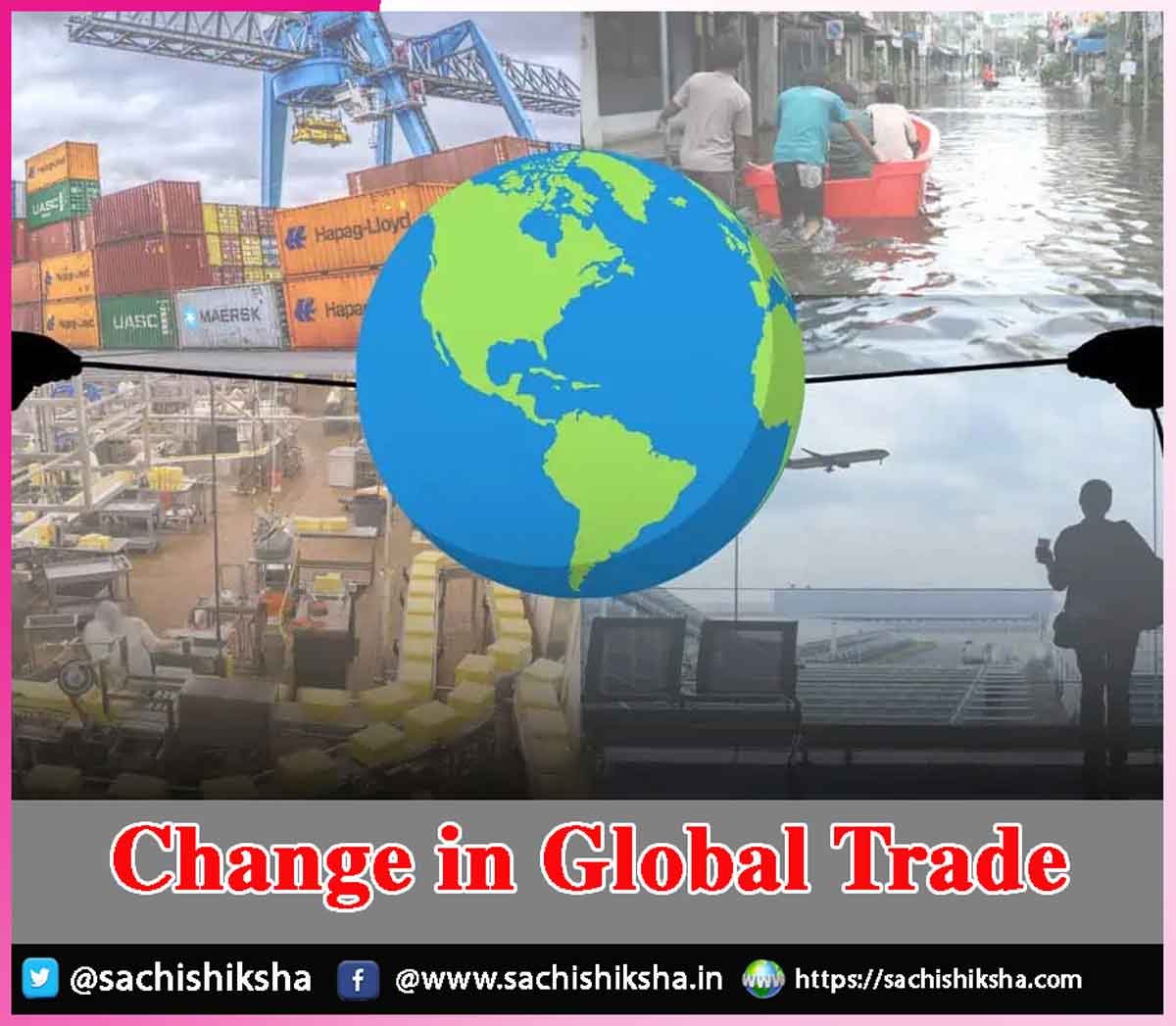
Change in Global Trade
Introduction: Global trade has always been a driving force behind economic growth, cultural exchange, and international relationships. For decades, goods, services, and capital flowed across borders in predictable patterns shaped by globalization, free trade agreements, and large multinational corporations.
Table of Contents
Role of Technology in Global Trade
One of the most important drivers of change in global trade is technology. Digital platforms, artificial intelligence, and automation have transformed production and supply chains. Businesses can now coordinate manufacturing, logistics, and sales across continents in real time. E-commerce has enabled even small enterprises to reach international markets, reducing the dominance of large corporations.
Impact of Geopolitical Tensions
 Another major factor reshaping global trade is geopolitical tension. Trade wars, sanctions, and political rivalries have disrupted long-standing economic relationships. Countries are becoming more cautious about over-dependence on a single trading partner, especially for essential goods such as energy, food, and technology components. This has led to strategies like friend-shoring and near-shoring, where nations prefer to trade with politically aligned or geographically closer partners. While these strategies improve supply security, they challenge the idea of a fully globalized, borderless economy.
Effects of the COVID-19 Pandemic
The COVID-19 pandemic further exposed vulnerabilities in global supply chains. Factory shutdowns, shipping delays, and shortages of critical goods highlighted the risks of overly complex and distant production networks. In response, many countries and companies are focusing on building more resilient supply chains. This includes diversifying suppliers, increasing domestic production, and maintaining strategic reserves. As a result, global trade is shifting from a model focused purely on efficiency to one that balances efficiency with resilience and reliability.
Sustainability and Environmental Regulations
Governments are introducing stricter environmental standards, carbon taxes, and sustainability regulations that affect international trade. Consumers are increasingly demanding ethically sourced and environmentally friendly products. Consequently, businesses involved in global trade must now consider not only cost and speed but also environmental and social impact.
Developing Countries and Emerging Trends
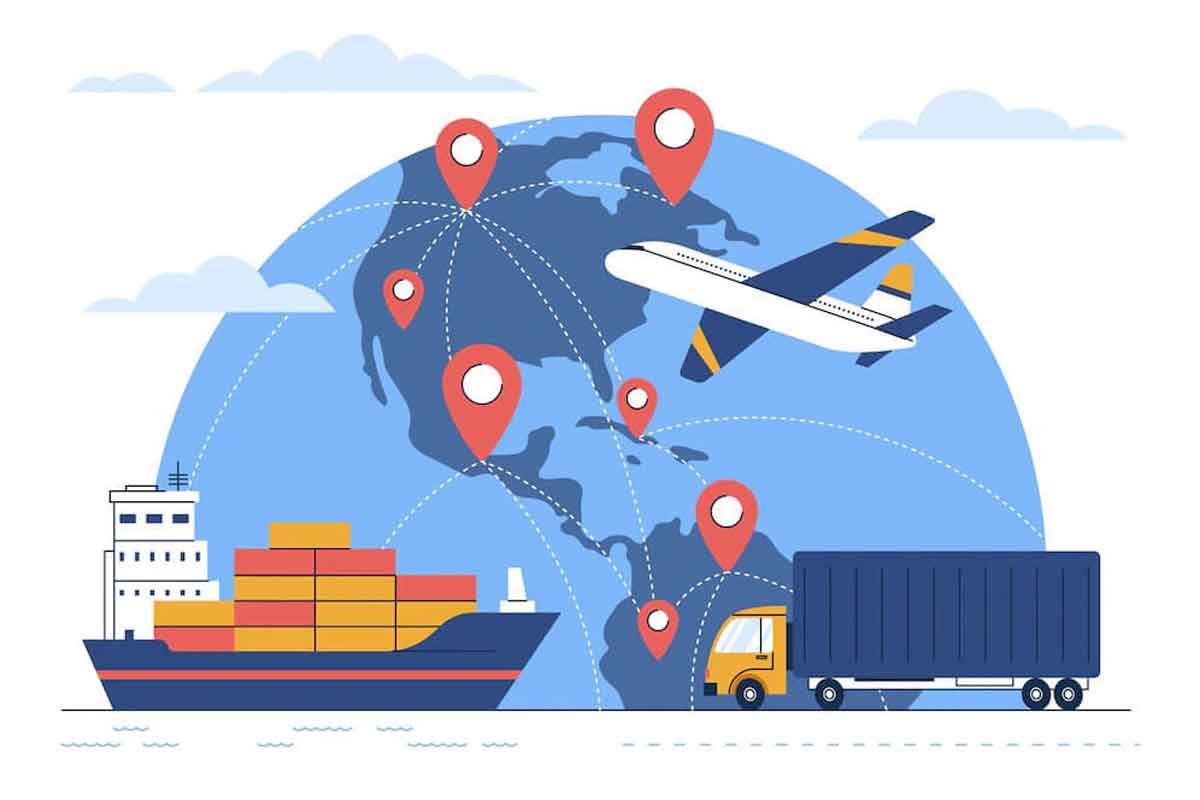 Developing countries face both opportunities and challenges in this changing trade landscape. On the one hand, access to digital tools and global markets allows them to participate more actively in international trade. On the other hand, rising protectionism and stricter standards can create barriers to entry. To remain competitive, many developing nations are investing in infrastructure, skill development, and regional trade agreements. South–South trade, where developing countries trade more with each other, is also gaining importance.
Growth of Trade in Services
Another noticeable shift is the growing role of services trade. Traditionally, global trade focused mainly on physical goods. Today, services such as software, education, healthcare, finance, and digital content are becoming key components of international exchange. Remote work and digital connectivity allow services to cross borders without physical movement, expanding trade opportunities and redefining the meaning of “exports” in the modern economy.
Conclusion
Global trade is no longer defined solely by free markets and mass production. It is evolving into a more complex system shaped by technology, geopolitics, sustainability, and resilience. While these changes present challenges, they also offer opportunities for innovation, inclusion, and balanced growth. As nations adapt to this new trade environment, cooperation, flexibility, and long-term thinking will be essential to ensure that global trade continues to benefit economies and societies worldwide.