























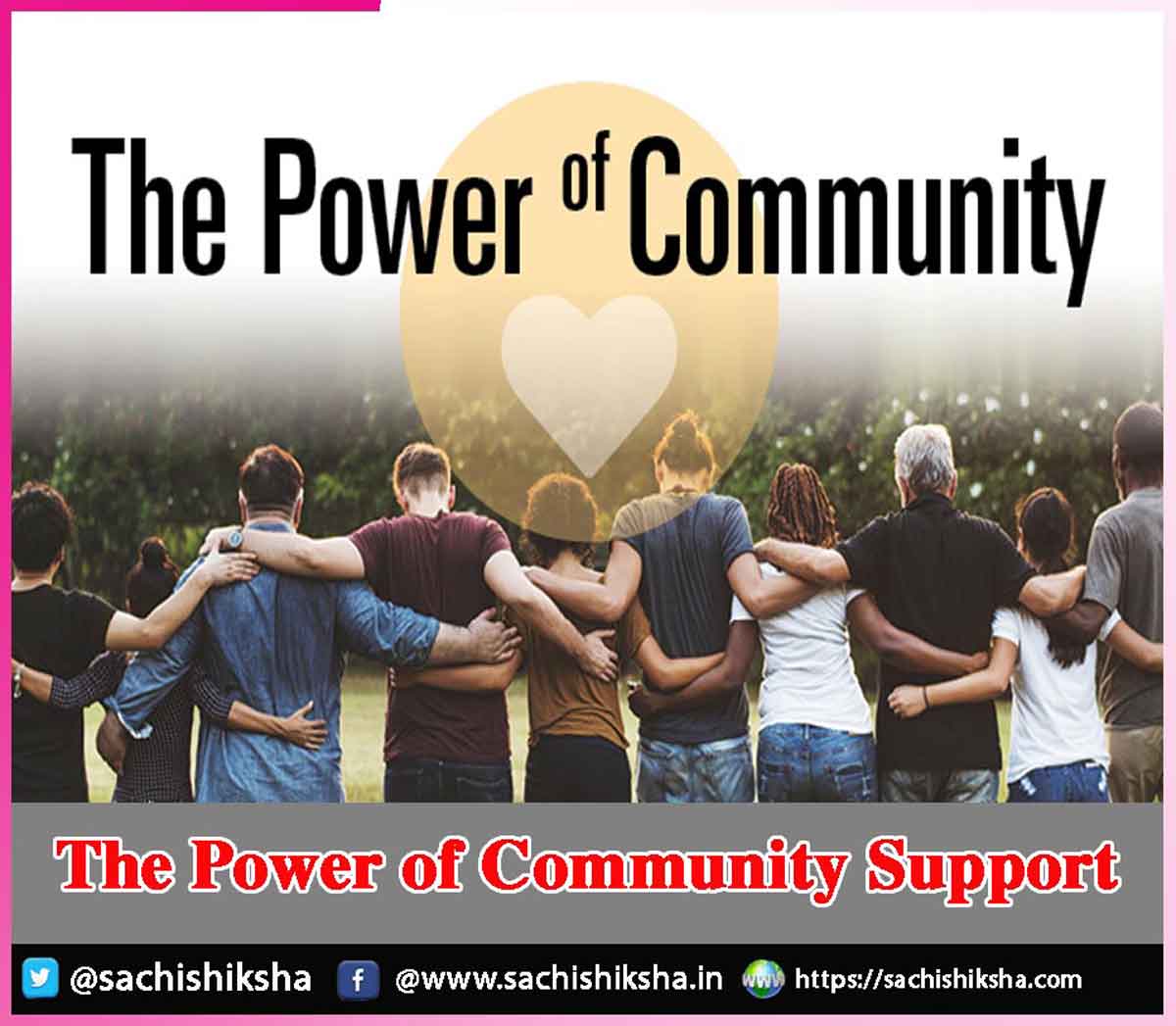
The Power of Community Support
Introduction: In an increasingly fast-paced, individual-driven world, the power of community support often goes unnoticed—until moments of crisis or change. Community support refers to the emotional, social, and practical help people receive from those around them: neighbours, friends, families, local groups, and shared networks. Far from being passive, it plays a vital role in shaping resilient individuals and healthier societies. It strengthens social bonds, promotes well-being, and creates a sense of belonging that no individual effort can replace.
Table of Contents
Emotional Security
At its core, community support offers emotional security. Knowing that one is not alone during difficult times can significantly reduce stress, anxiety, and feelings of isolation. Emotional reassurance builds hope and resilience, helping people cope with challenges and recover more quickly from setbacks.
Practical Problem-solving
Community support is equally important when it comes to solving everyday problems. Challenges such as childcare, financial hardship, unemployment, or natural disasters become far more manageable when shared. Communities often pool resources, skills, and time to support those in need. Food drives, volunteer groups, neighbourhood watch programmes, and local fundraising efforts show how collective action can address problems that individuals may struggle to face alone. This shared responsibility strengthens trust and cooperation.
Mental and Physical Health
 The impact of community support extends to both mental and physical health. Research consistently shows that people who feel socially connected tend to live healthier, longer lives. Supportive communities encourage positive habits, offer motivation, and reduce loneliness—now recognized as a serious public health concern. Even simple interactions, such as friendly greetings, shared meals, or group activities, can significantly boost emotional well-being and self-esteem.
Times of Crisis
Community support becomes especially powerful during times of crisis. Pandemics, economic downturns, and natural disasters reveal just how interconnected we are. In such moments, communities often become lifelines. Volunteers step forward, local organisations mobilise, and informal networks emerge to ensure that vulnerable individuals are not left behind. These responses highlight humanity’s natural capacity for empathy and cooperation, even under pressure.
Individual Empowerment
Beyond immediate help, strong communities empower individuals. When people feel supported, they are more likely to engage actively in society, share their voices, and contribute their talents. Community groups create spaces for learning, leadership, and collaboration, fostering a cycle in which individuals support the community—and the community supports them in return.
Social Harmony and Inclusion
On a broader level, community support promotes social harmony and inclusion. Communities that value mutual respect and understanding are better equipped to address conflict and inequality. When people listen to one another and work together, differences become strengths rather than divisions. Inclusive communities ensure that everyone, regardless of age, background, or ability, feels valued and heard.
Conclusion
Ultimately, the power of community support lies in its ability to connect people, build resilience, and nurture compassionate societies. In a world that often celebrates self-reliance, community support reminds us of a simple truth: we thrive best when we stand together.