





















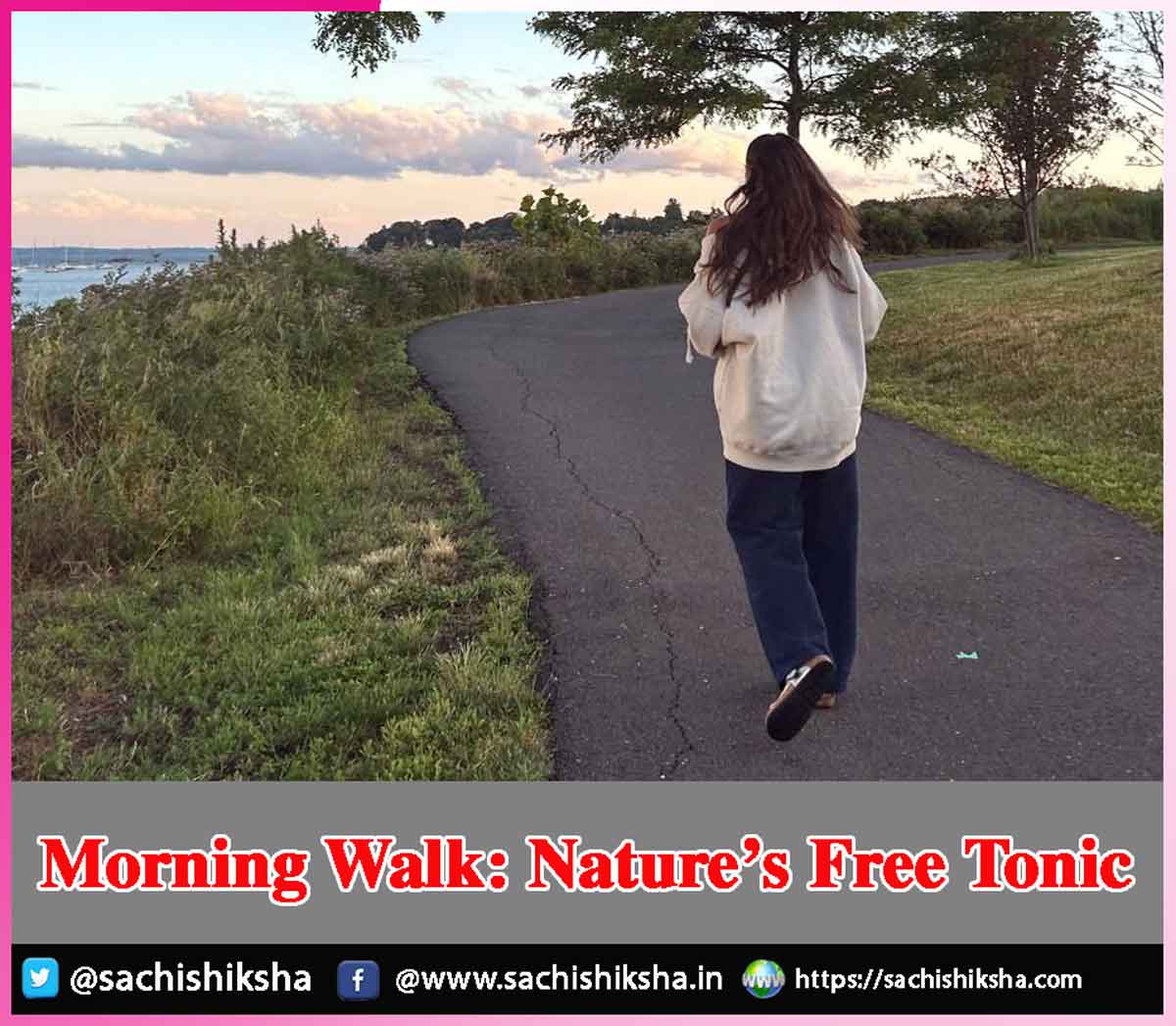
Morning Walk: Nature’s Free Tonic
Introduction: In our country, travelling by vehicle is considered prestigious, while walking is increasingly seen as a sign of inferiority. People wait for hours for vehicles, unaware of the health benefits of walking. Those who cannot perform strenuous exercise, who are physically weak, or who suffer from ailments such as arthritis, heart disease, asthma, or high blood pressure can also benefit from walking.
Table of Contents
Misconceptions About Daily Activity
Some people argue that working at home, climbing stairs, or walking long distances is equivalent to a proper walk. Our bodies are constantly in motion, yet we are not necessarily healthy.
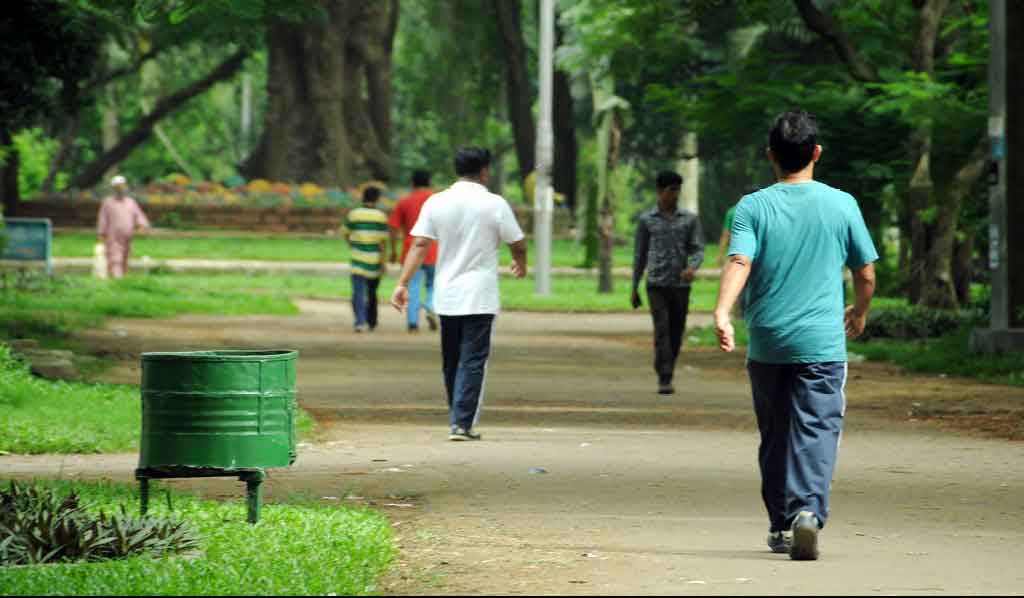 If that were true, blacksmiths who hammer daily, postmen who walk long distances delivering mail, and hawkers who sell goods throughout the day would always be healthy. However, they do not necessarily gain the same health benefits. The reason is that their physical activity is connected to work objectives rather than to health awareness and positive intention.
The Importance of Mental Attitude
While exercising, a wrestler dreams of becoming stronger, and a cricketer aims to become more skilful; similarly, we should go for a regular morning walk, ideally beginning about an hour before sunrise. We should also cultivate a healthy and positive attitude while walking.
By practising this routine regularly, benefits may begin to appear within a week. The early morning air is rich in oxygen, and exposure to the gentle ultraviolet rays of the rising sun is beneficial. The transition from night to day creates a natural environment that can be more refreshing than even nutritious food.
Correct Posture During Walking
While walking, keep the body upright. The shoulders should be drawn back, the chest raised, the head held slightly upward, and the gaze fixed straight ahead. Do not stiffen the body to the point of strain; it should remain relaxed and flexible. The muscles should stay supple.
The upper body may lean slightly forward, as required during brisk walking. Breathe through the nose with the mouth closed. Practise deep breathing so that fresh air reaches the lungs fully. Shallow breathing does not provide complete benefit to the lungs.
Conclusion
If we receive this free tonic from nature by taking a morning walk, we can protect ourselves from many diseases, reduce dependence on medicines, and enjoy a longer and healthier life.