























Green Power for Peak Heat
Introduction: As global temperatures climb and heatwaves become longer and more intense, the demand for electricity surges, especially for cooling. Air conditioners, fans, refrigeration systems, and water pumps all compete for power at the exact moment when grids are under maximum stress.
This phenomenon, known as peak heat demand, is rapidly becoming one of the most critical energy challenges of our time. The question is no longer just how to produce more energy, but how to produce it sustainably, reliably, and precisely when it is needed most. This is where green power steps in, not just as an environmental solution, but as a strategic necessity.
Table of Contents
Solar Energy and Peak Demand
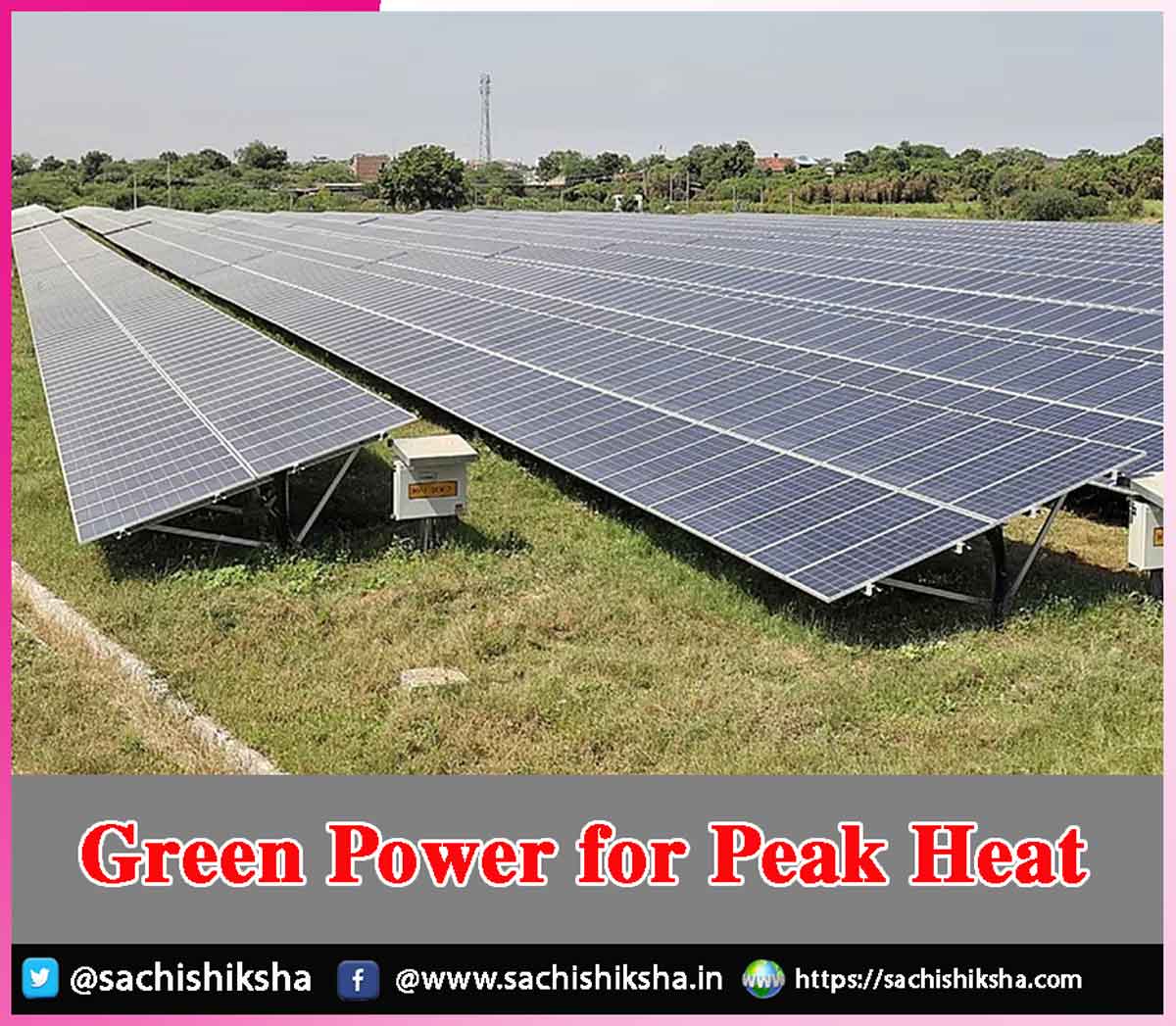
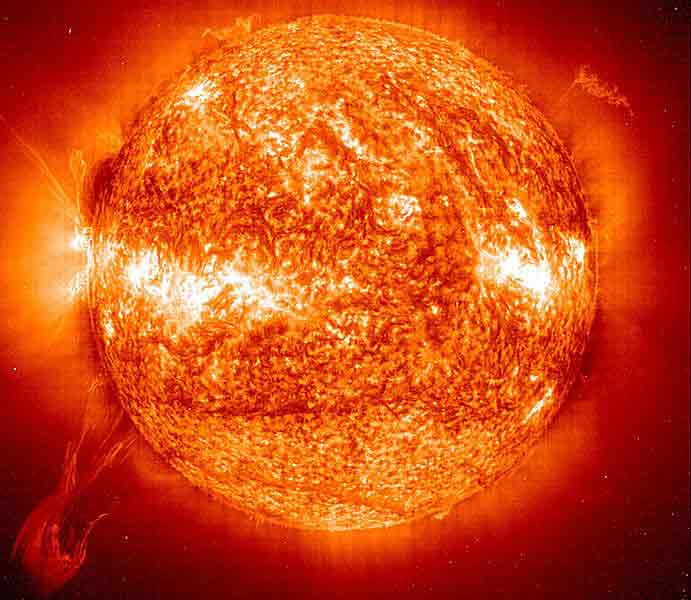 Green power, primarily sourced from renewables like solar, wind, and hydropower, offers a compelling advantage during peak heat periods. Solar energy, in particular, aligns almost perfectly with daytime cooling demand. When the sun is at its harshest, driving up temperatures, it is also generating the most electricity through solar panels. This natural synchronisation reduces dependence on fossil fuel-based peaker plants, which are often expensive, inefficient, and highly polluting.
The Challenge of Energy Variability
However, the transition to green power for peak heat is not as simple as installing more solar panels. One of the biggest challenges with renewable energy is variability. Solar power generation drops in the evening, just when residual heat keeps cooling demand high. Similarly, wind patterns may not always align with demand cycles. To address this, energy storage systems such as batteries are becoming essential. They store excess energy generated during the day and release it during peak evening hours, ensuring a steady and reliable power supply.
Importance of Smart Grids
Another critical component is smart grid infrastructure. Traditional power grids were designed for one-way electricity flow, from centralised power plants to consumers. Modern grids, however, must handle decentralised energy generation, real-time demand fluctuations, and two-way energy flows. Smart grids use advanced sensors, data analytics, and automated controls to balance supply and demand efficiently. During peak heat, they can prioritise critical loads, optimise energy distribution, and even integrate rooftop solar contributions from homes and businesses.
Demand-Side Management
Demand-side management also plays a key role. Instead of focusing only on increasing supply, this approach encourages consumers to use energy more efficiently. For example, smart thermostats can adjust cooling patterns based on grid conditions, while time-of-use pricing incentivises users to shift non-essential electricity usage to off-peak hours. In commercial and industrial settings, energy-efficient cooling systems and building designs can significantly reduce overall demand without compromising comfort.
Urban Planning and Passive Cooling
Urban planning and infrastructure design are equally important. Cities can reduce heat absorption through green roofs, reflective materials, and increased vegetation, thereby lowering the need for artificial cooling in the first place. This concept, often referred to as passive cooling, complements green power by reducing the load on energy systems during peak heat periods.
The Indian Perspective
In regions like India, where heatwaves are becoming more frequent and severe, the stakes are even higher. Rapid urbanisation, rising incomes, and increased access to cooling technologies are driving electricity demand upward. Without a shift to green power, this demand could lock in decades of fossil fuel dependency. On the other hand, investing in solar energy, battery storage, and grid modernisation presents an opportunity to leapfrog into a more resilient and sustainable energy future.
Role of Policy and Investment
Policy support and investment are crucial to accelerating this transition. Governments must incentivise renewable energy adoption, support research into storage technologies, and implement regulations that promote energy efficiency. Public-private partnerships can drive innovation and scale solutions faster, while awareness campaigns can encourage responsible energy use among consumers.
Conclusion
Ultimately, green power for peak heat is not just about keeping the lights on or the air conditioners running. It is about building a system that can withstand the pressures of a warming world without exacerbating the problem. It is about aligning energy production with natural cycles, leveraging technology for efficiency, and rethinking how we consume power.
As temperatures rise, so does the urgency. The solutions exist. The technology is advancing. What remains is the collective will to implement these solutions at scale. Green power is no longer an alternative; it is the answer to powering our hottest days without heating the planet further.