























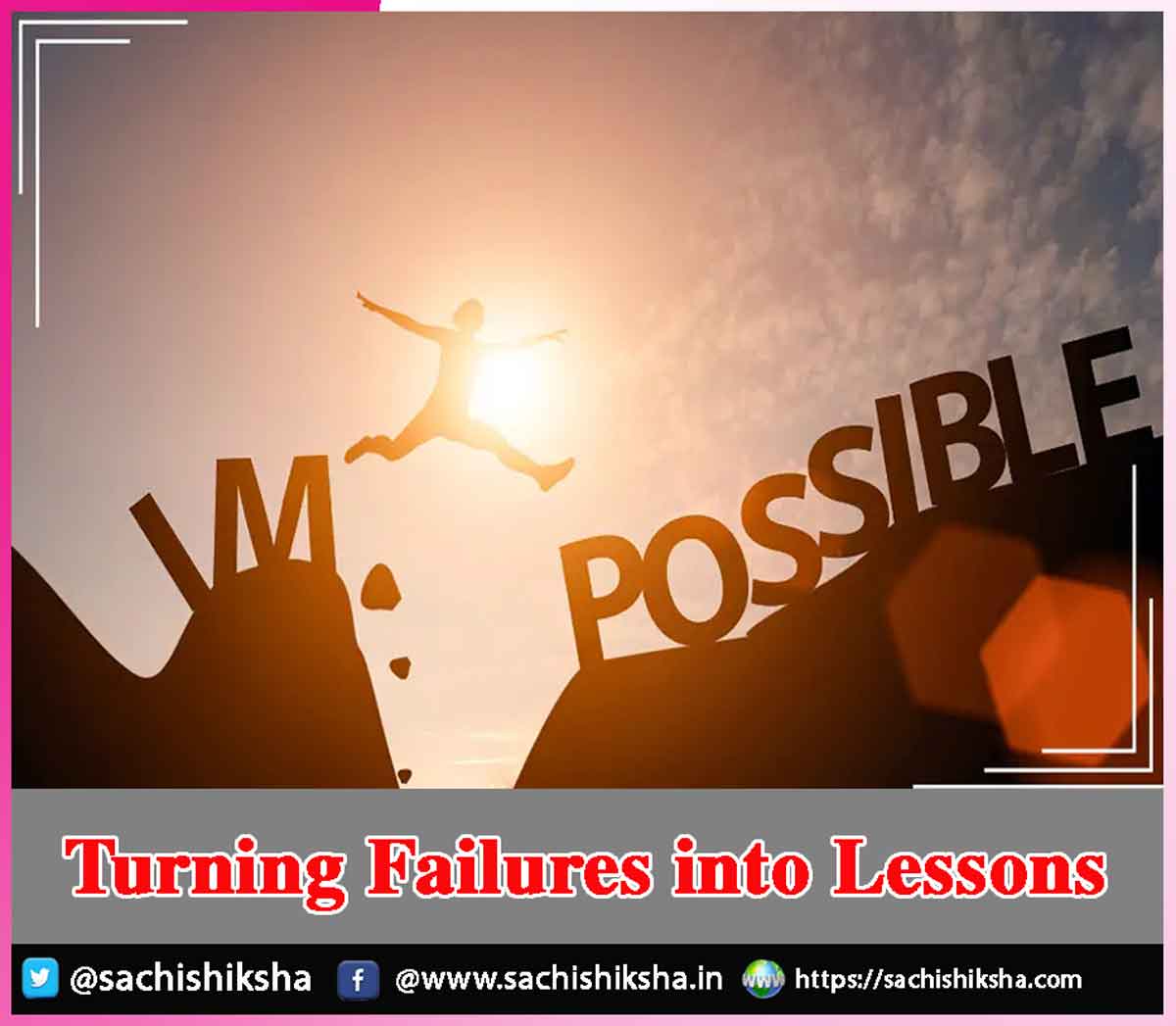
Turning Failures into Lessons
Introduction: Failures are often seen as setbacks—moments that interrupt progress and shake confidence. Yet, in reality, they are among the most powerful teachers we encounter in life. Turning failures into lessons is not just a motivational idea; it is a practical approach to growth, resilience, and long-term success.
Table of Contents
Learning Through Reflection
At the heart of every failure lies an opportunity to learn. When something does not go as planned, it forces us to pause and reflect. What went wrong? Was it a lack of preparation, poor decision-making, or simply unforeseen circumstances? This process of reflection sharpens our understanding and helps us avoid repeating the same mistakes. Without failure, we would rarely question our methods or strive to improve them.
Shifting Perspective
One of the most important aspects of learning from failure is shifting perspective. Instead of viewing failure as a personal defeat, it should be seen as feedback. This mental shift transforms negative experiences into constructive ones. For example, a student who performs poorly in an exam can either feel discouraged or analyse his study habits and identify areas of weakness. In doing so, failure becomes a stepping stone rather than a stumbling block.
Building Resilience
Resilience also grows through failure. Life rarely follows a straight path, and challenges are inevitable. Experiencing failure teaches us how to cope with disappointment, adapt to change, and persist despite difficulties. These qualities are essential not only for achieving goals but also for maintaining emotional strength. People who embrace failure as part of the journey are often more confident and better equipped to handle future challenges.
Encouraging Innovation and Creativity
Moreover, failure encourages innovation and creativity. When conventional methods fail, we are pushed to think differently and explore new approaches. Many great achievements have emerged from repeated failures and persistent experimentation. Each unsuccessful attempt brings us closer to a solution, refining our ideas and strategies along the way. In this sense, failure is not the opposite of success but an integral part of it.
Learning Humility
Another key lesson from failure is humility. Success can sometimes lead to overconfidence, while failure reminds us of our limitations and the need for continuous learning. It keeps us grounded and open to feedback from others. This openness fosters collaboration and growth, as we become more willing to listen, learn, and improve.
The Need for Conscious Effort
However, turning failure into a lesson requires conscious effort. It involves honest self-assessment, a willingness to accept responsibility, and determination to move forward. Blaming external factors or dwelling on disappointment can prevent growth. Instead, one must ask, “What can I learn from this experience?” and “How can I do better next time?” These questions pave the way for progress.
Conclusion
In conclusion, failure is not something to be feared or avoided but embraced as a valuable teacher. It offers insights, builds resilience, encourages innovation, and fosters personal growth. By changing our mindset and viewing failures as opportunities to learn, we can transform setbacks into stepping stones towards success. Ultimately, it is not the failure itself that defines us, but how we respond to it shapes our journey.