






















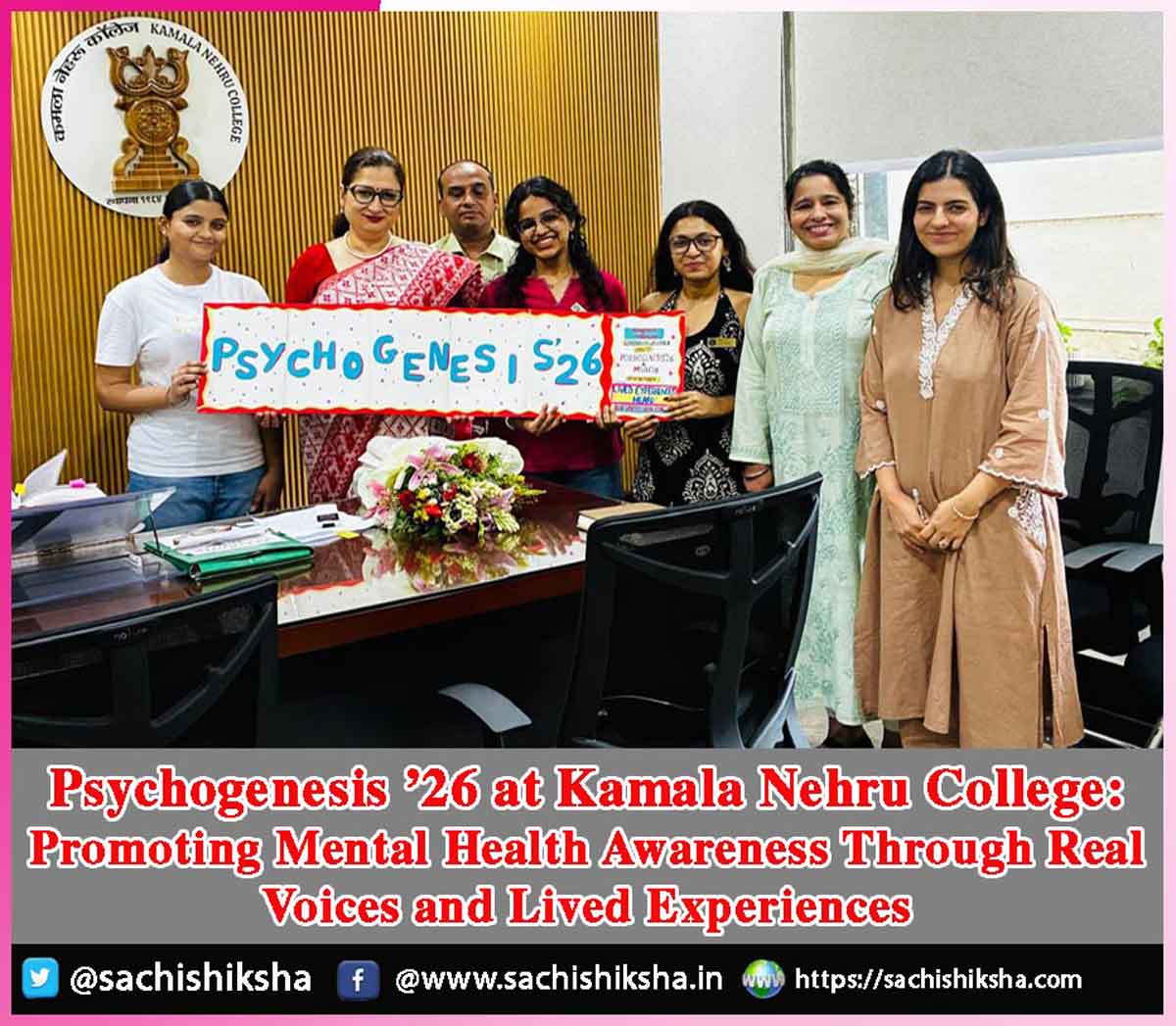
Psychogenesis ’26 at Kamala Nehru College: Promoting Mental Health Awareness Through Real Voices and Lived Experiences
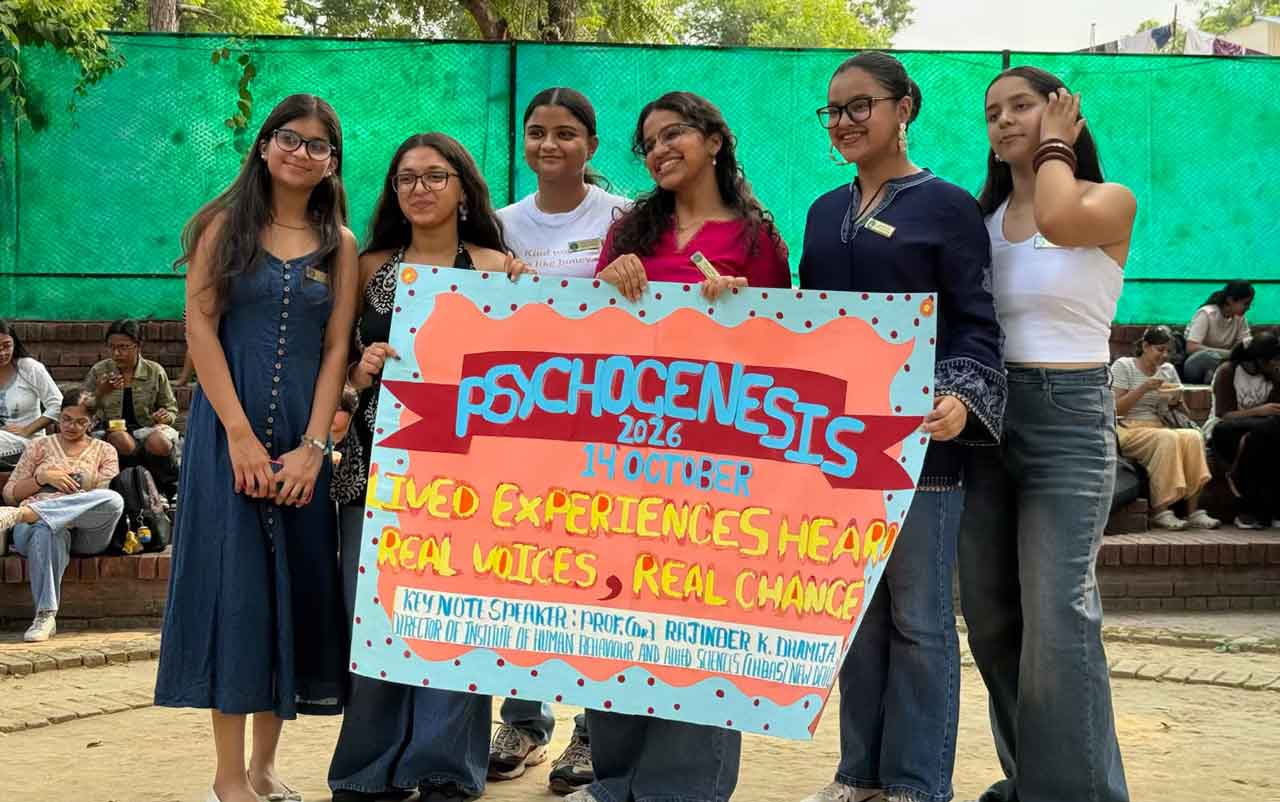
*New Delhi (Sachi Shiksha News) Mental health awareness begins with listening, understanding and acknowledging the experiences of those facing psychological challenges. Keeping this thought at the centre, the Department of Psychology at Kamala Nehru College, University of Delhi, organised its Annual Departmental Day, Psychogenesis ’26, on October 14, 2026.
Led by Principal Prof. (Dr.) Pavitra Bharadwaj, the event was held under the theme “Lived Experiences Heard: Real Voices, Real Change.” It aimed to promote mental health awareness, challenge stigma and create a platform for individuals to share their lived experiences.
Table of Contents
Empathetic Listening: An Important Step Towards Mental Well-being
The keynote address was delivered by Prof. Rachna Bhargava, Professor of Clinical Psychology at AIIMS, New Delhi, on the topic “Voices That Matter.” Drawing on more than two decades of professional experience, she highlighted the importance of recognising signs of psychological distress among peers, listening with empathy and encouraging open conversations about mental health.
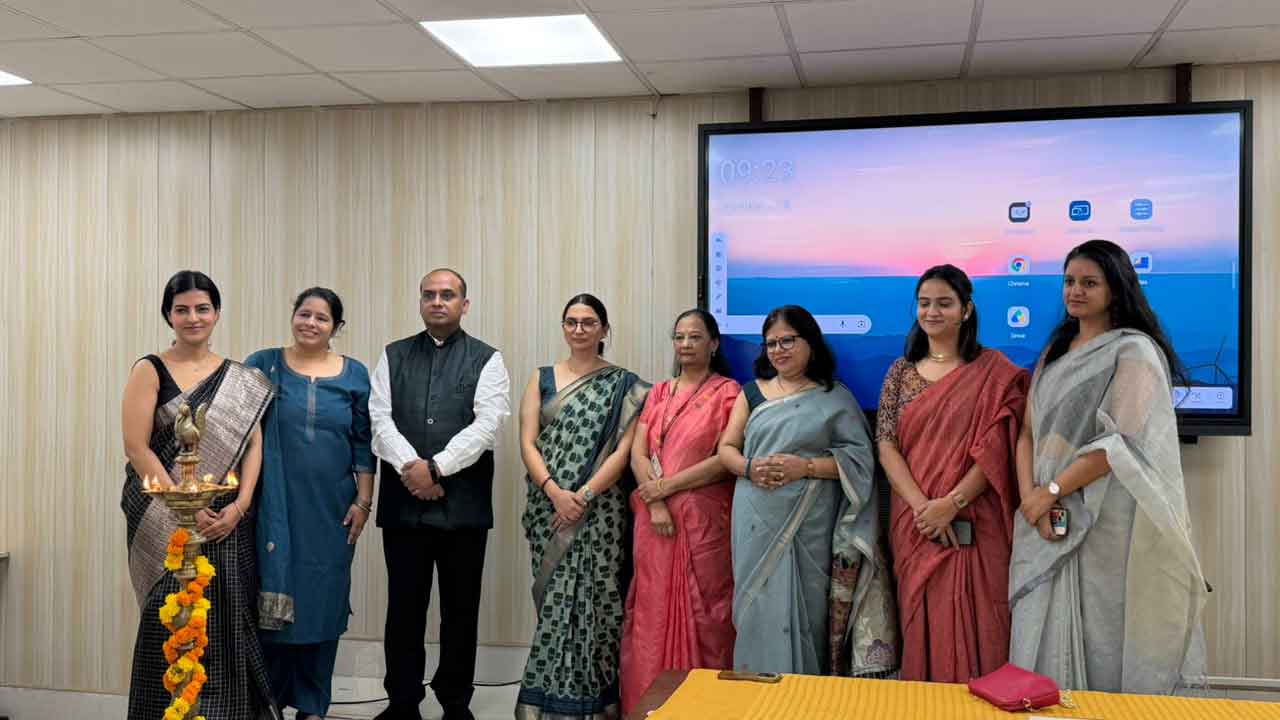
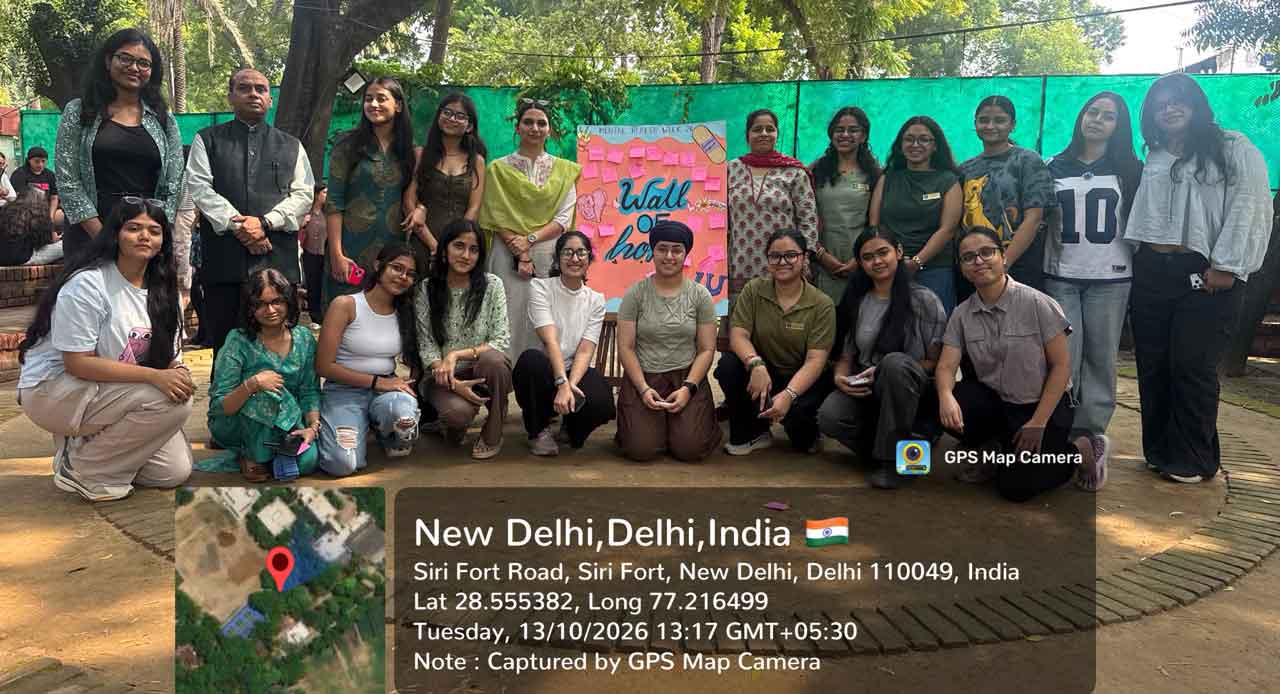

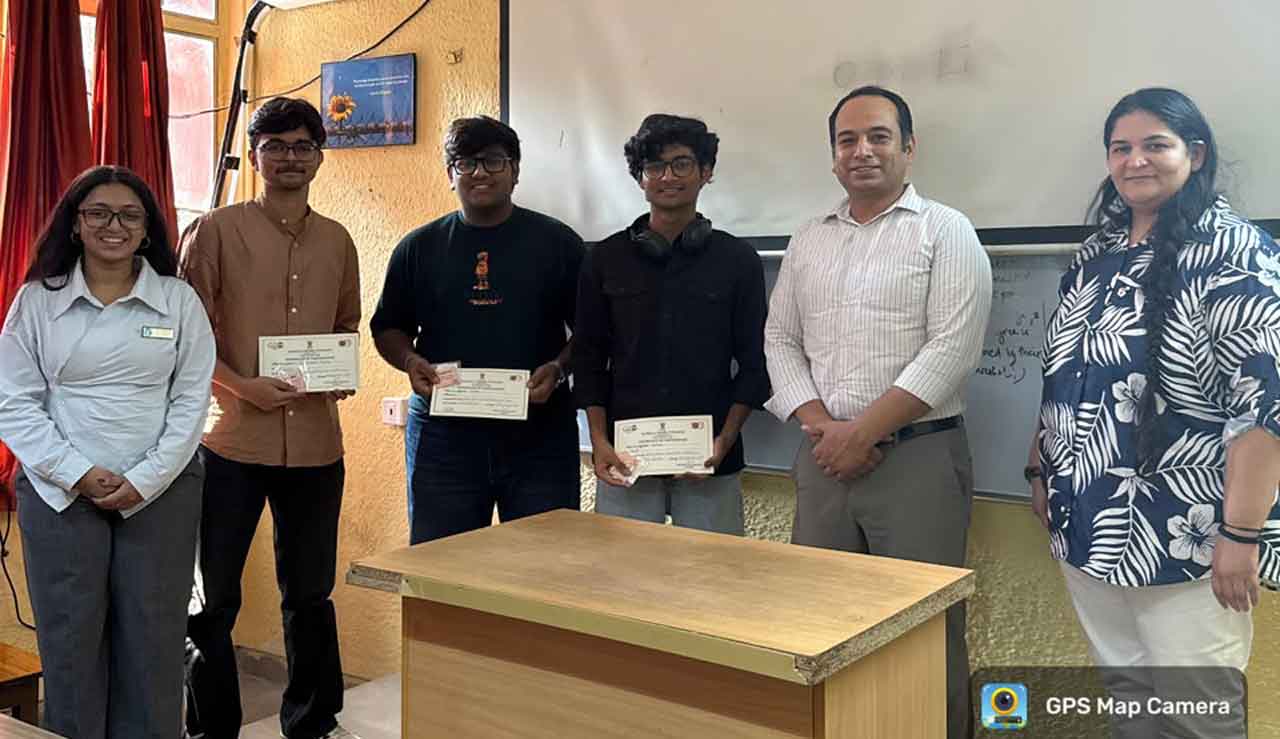
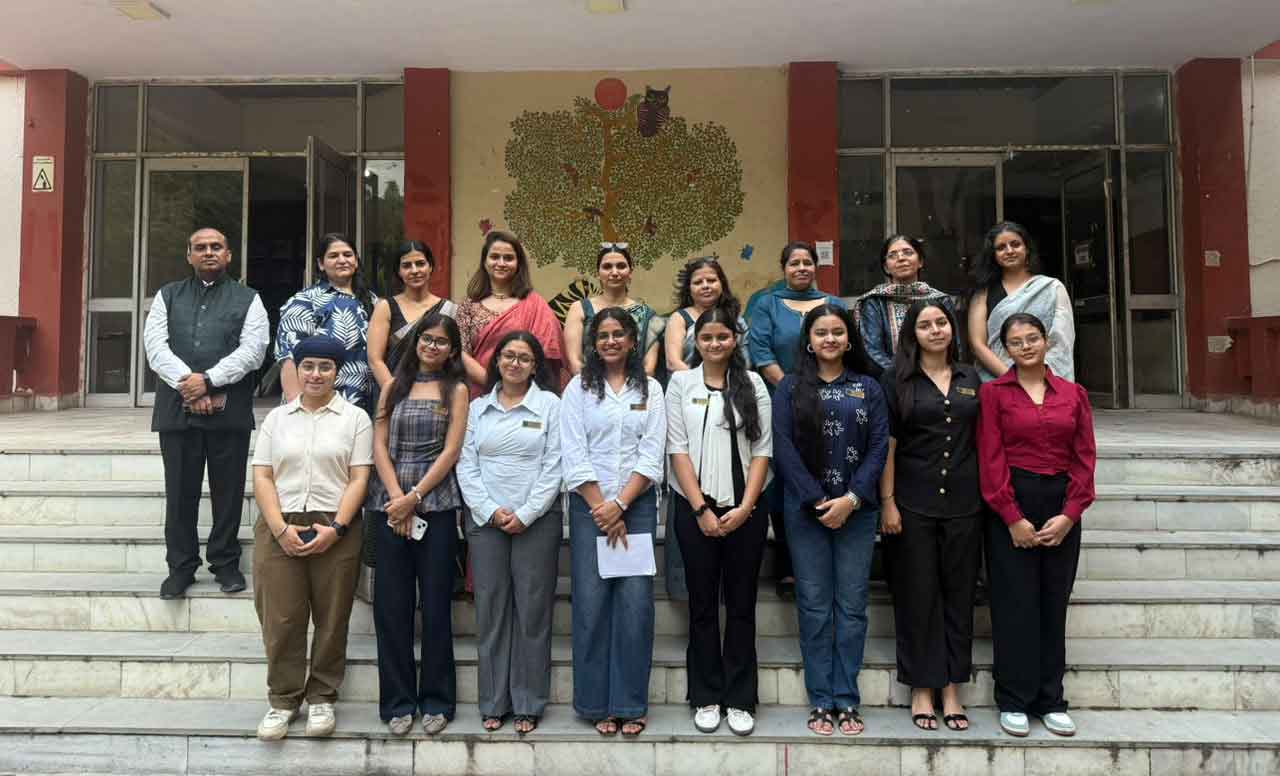

She emphasised that a supportive and non-judgmental environment can help individuals feel more comfortable sharing their emotions and seeking understanding.
Personal Experiences Highlight the Importance of Acceptance
A panel discussion brought together Dr. Mona Sharma, Founder of Manorathi Foundation; Ms. Rajeshwari, Founder of Shanti Sahaj Trust; and Dr. Divya Kumar, a mental health practitioner associated with Shakti Shalini.
The discussion explored the importance of peer support across age groups and the role of understanding and acceptance in mental well-being. Ms. Rajeshwari, known for her efforts to raise awareness about schizophrenia, highlighted how a positive and accepting family environment can influence the recovery journey. Her daughter, Madhu, courageously shared her lived experience, offering a message of resilience and hope.
Seeing the Person Beyond the Problem
Dr. Divya Kumar, former Chairperson of the Child Welfare Committee, drew attention to how institutional procedures and diagnostic labels can sometimes overshadow an individual’s personal experiences. Using a case study, she explained why it is important to understand a person’s circumstances and emotions rather than defining them solely by a diagnosis or problem.
The central message of the discussion was clear: “Look at the person behind the problem first, and the problem next.” This approach encourages greater compassion, dignity and sensitivity towards individuals experiencing mental health challenges.
Photovoice Competition Encourages Creative Expression
An intercollegiate Photovoice Competition provided students with an opportunity to express their thoughts and lived experiences through photography. The activity encouraged introspection and offered a creative platform to explore mental health-related themes through visual storytelling.
By encouraging students to communicate their perspectives through photographs, the competition reinforced the importance of personal narratives and diverse experiences in building greater understanding.
Collaborative Efforts Make the Event Successful
The event was coordinated under the leadership of Principal Prof. (Dr.) Pavitra Bharadwaj by Psychology Association Convenors Prof. (Dr.) Mandeep Kaur Arora and Ms. Sanjana Chaudhary, along with Student Association President Dhaanya Singh and her team, whose collective efforts contributed to the successful organisation of the programme.
The event was supported by Heart Out, Monginis as the food partner, PsychStoreEco as the gifting partner, and Sach Kahoon newspaper and Sachi Shiksha magazine as media partners.
Listening to Real Voices Can Lead to Meaningful Change
Psychogenesis ’26 reaffirmed the Department of Psychology’s commitment to empathy, inclusion and mental health awareness. The event highlighted that meaningful awareness goes beyond sharing information; it requires listening without prejudice, respecting individual experiences and creating an environment where people feel heard and understood.
By bringing together expert perspectives, personal narratives and creative expression, Psychogenesis ’26 delivered an important message: when real voices are heard and lived experiences are acknowledged, the path towards empathy, acceptance and meaningful change becomes stronger