























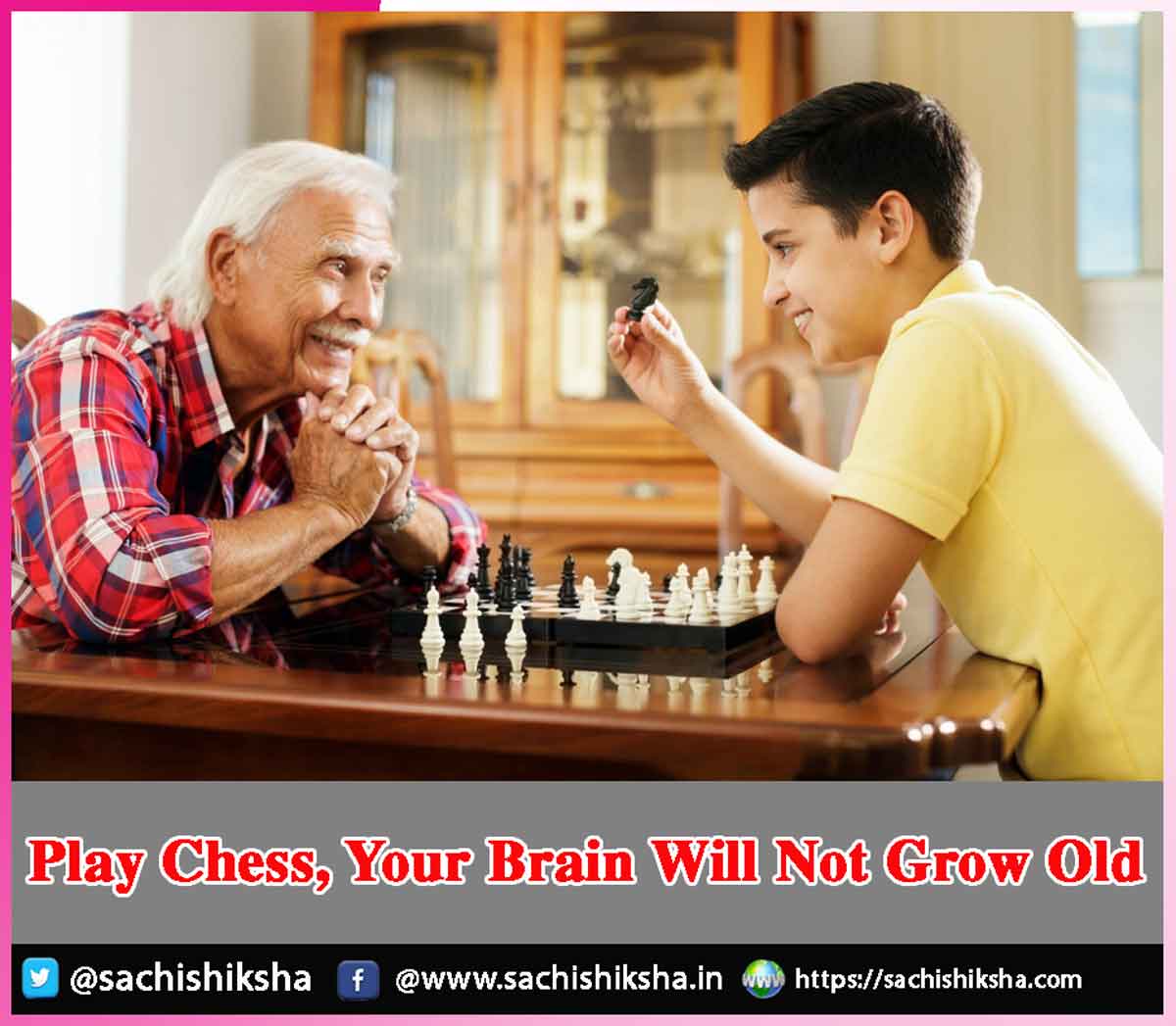
Play Chess, Your Brain Will Not Grow Old
“The World Health Organization also states that after the age of 60, one should do 150 minutes of mental exercise per week. Games like chess are considered a great brain tonic for the elderly.”
Growing age and old age are stages of life where the body, mind, and brain become weak. During such times, depression, stress, and irritability surround you. At these times, there is a strong need to activate memory, concentration, and mental health.
If some time is taken out to play chess, it can greatly benefit elderly individuals. According to several studies linked to neuroscientists, if some time is spent daily playing games like chess, the brain receives a challenge similar to physical exercise. The World Health Organization also says that after the age of 60, one should engage in 150 minutes of brain exercise per week. Games like chess are regarded as an excellent tonic for mental exercise in older adults.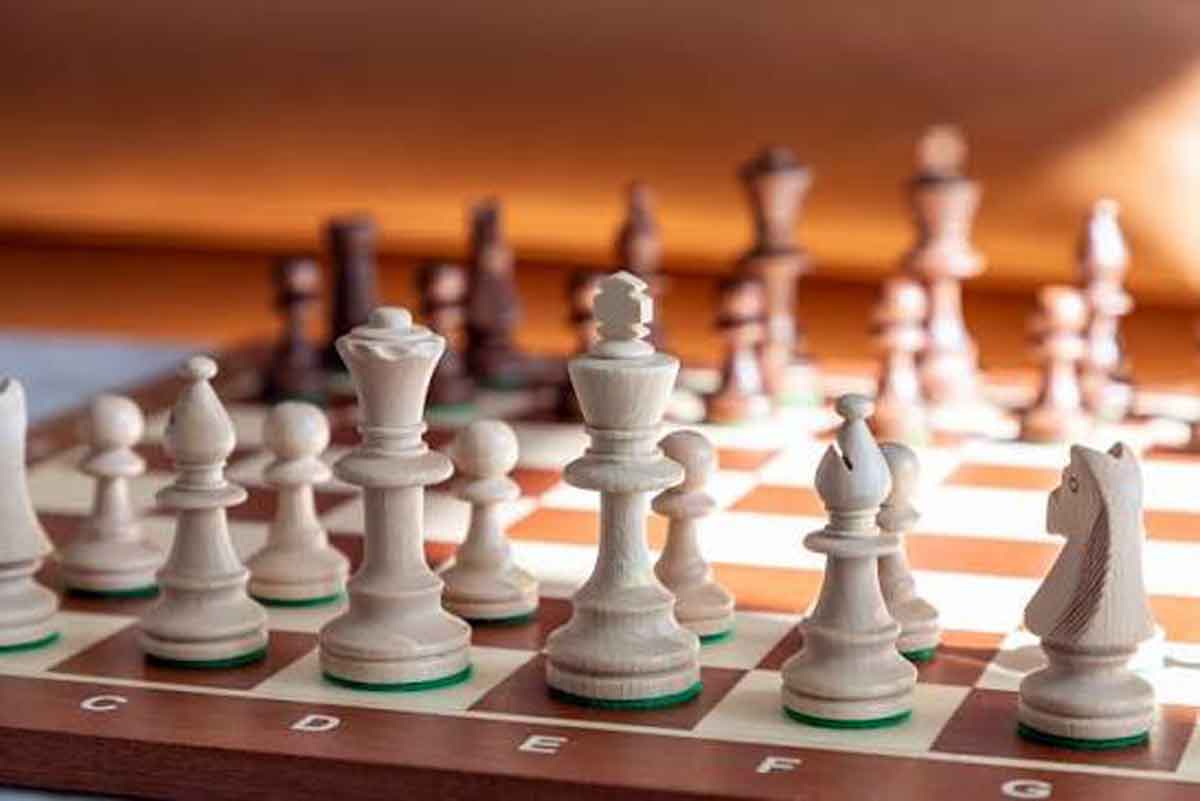
Research on dementia found that chess helps find quick solutions to problems. This study, conducted by Monash University’s School of Public Health and Preventive Medicine, was published in JAMA Network Open. Researchers studied over 10,318 elderly Australians and found that people engaging in mental activities like taking education classes, solving crosswords, or playing games like chess had a 9% to 11% reduced risk of developing dementia. Playing computer-based educational games, chess, or crosswords can also help reduce this disease.
Benefits of Playing Chess
- Relieves Loneliness : Loneliness often plagues the elderly. In such situations, playing 30 to 40 minutes of chess with young children or friends at home encourages conversation and light hearted humour, which helps overcome loneliness.
- Increases Decision-Making Power: Playing chess requires thinking before every move, which exercises the brain, strengthens memory, and reduces the habit of forgetting.
- Reduces the Risk of Alzheimer: According to doctors, elderly people who regularly play mental games like chess have a lower risk of developing Alzheimer’s.
- Patience and Self-Control: Staying calm during the game while thinking of the next move develops patience and self-control in life.
- Creativity Development: Formulating new and unique strategies broadens thinking perspective and boosts creativity.