
























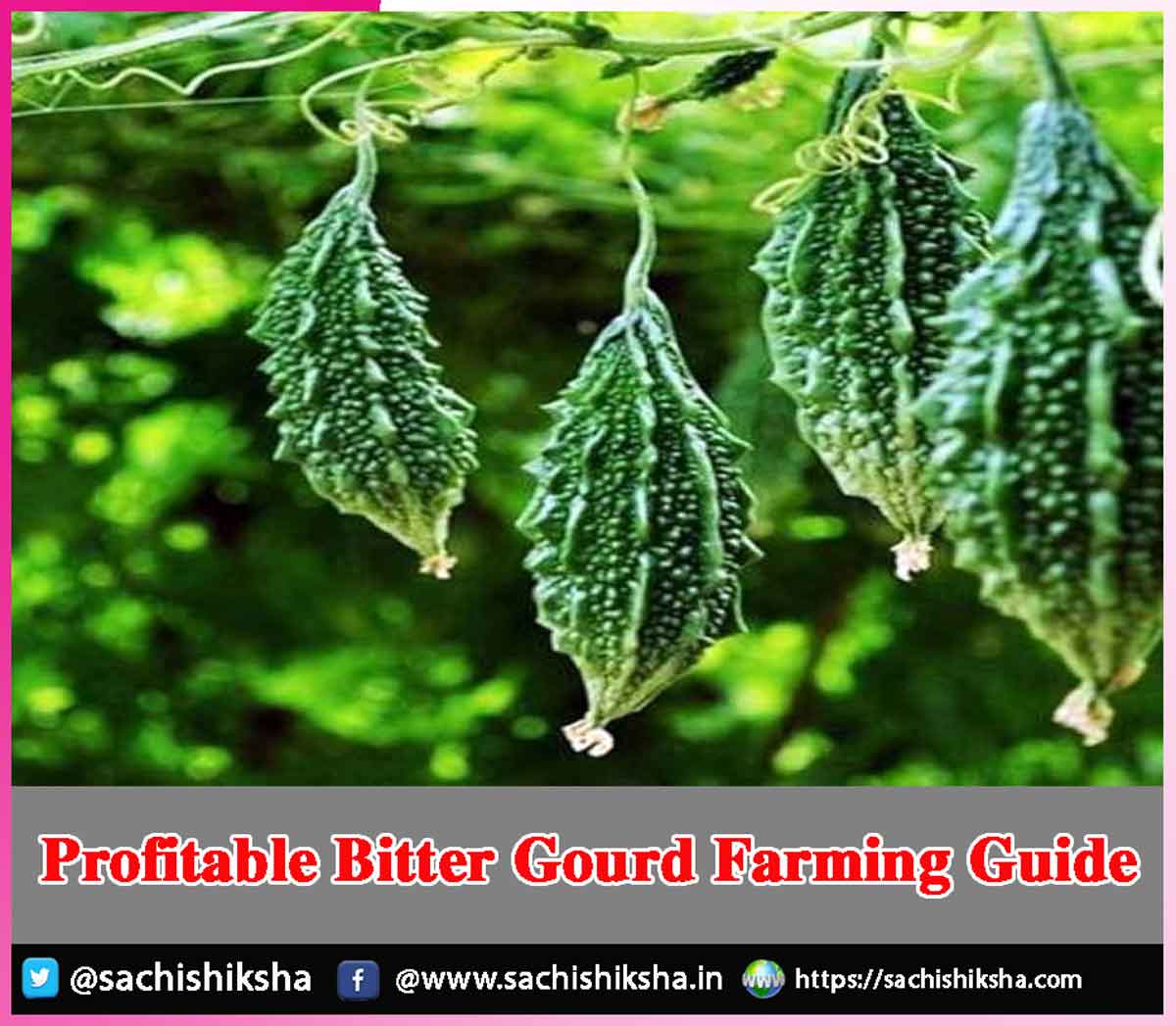
Profitable Bitter Gourd Farming Guide
Government Subsidies and the Push for Vegetable Farming
Many state governments are providing subsidies to farmers to encourage vegetable farming. A major reason for promoting vegetable cultivation is that vegetable crops mature in a short time, allowing farmers to earn money quickly. Therefore, alongside major Rabi crops, farmers are encouraged to grow vegetables. There are many such vegetables that can yield good profits in a short period. Bitter gourd (karela) is one such special vegetable that remains fresh for longer and fetches good prices in the market.
Table of Contents
Investment Costs vs. High Profit Margins
Farmers can earn high profits at a low cost through bitter gourd cultivation. It is estimated that cultivating bitter gourd on one acre of land costs approximately ₹30,000. In contrast, the profit can reach up to around ₹3 lakh per acre. Thus, its farming can yield up to 10 times the investment.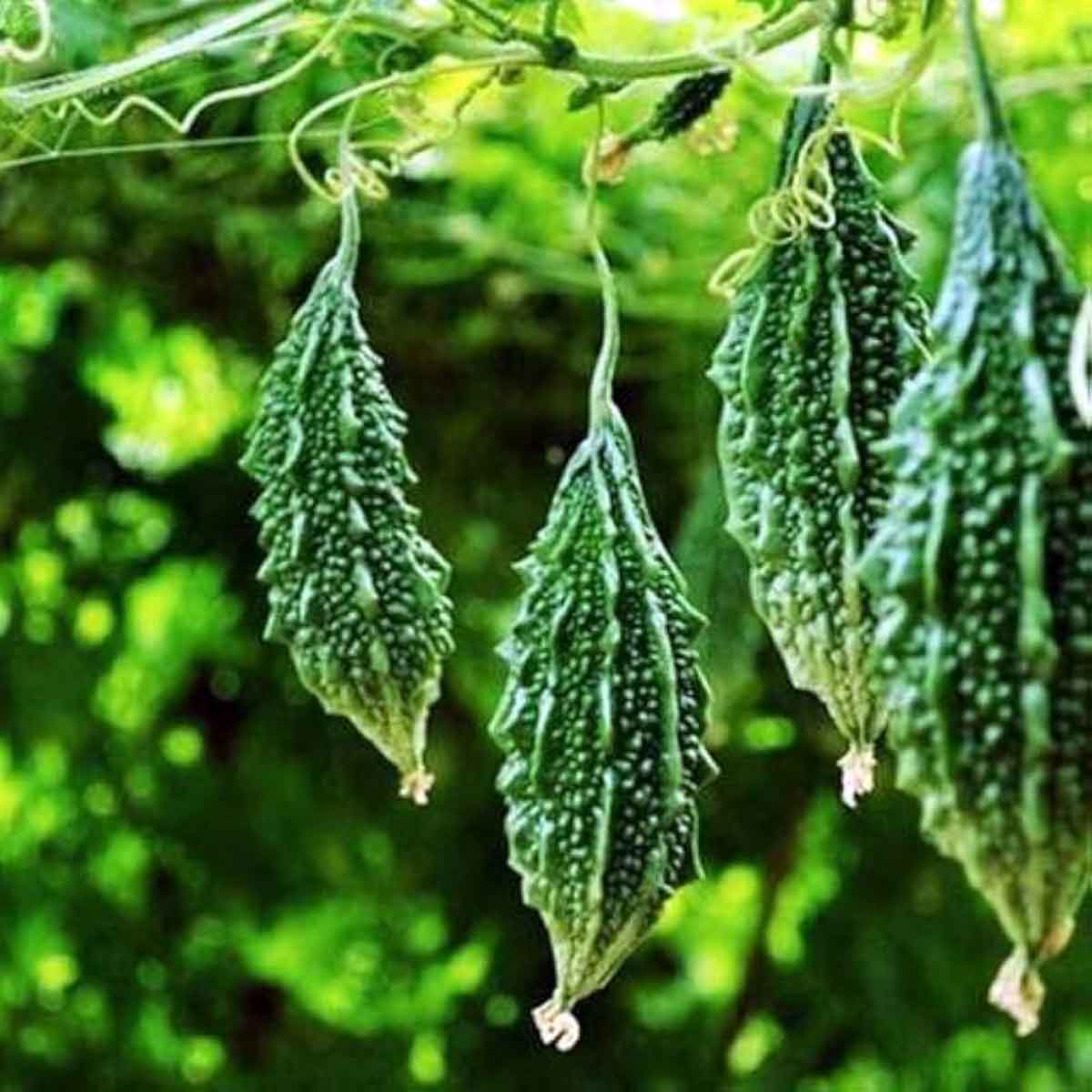
Bitter gourd cultivation is a high-profit crop at low cost. Take care of it on time and get excellent yield
Recommended High-Yield Hybrid Varieties
Several improved varieties are available for sowing bitter gourd. Farmers can select them according to their region. Popular improved varieties of bitter gourd include: Kalyanpur Barahmasi, Pusa Vishesh Hissar Selection, Coimbatore Long, Arka Harit, Pusa Hybrid-2, Pusa Aushadhi, Pusa Do Mausami, Punjab Karela-1, Punjab-14, Solan Hara, Solan Safed, Priya CO-1, SDU-1, Kalyanpur Sona, and Pusa Shankar-1.
Year-Round Sowing Schedules
Bitter gourd cultivation can be done throughout the 12 months. Scientists have developed hybrid varieties of bitter gourd that allow farmers to cultivate it year-round. Sowing can be divided into three phases:
- Summer Crop: Sowing can be done from January to March.
- Rainy Season Crop (Plains): Sowing is carried out until August.
- Third Phase: Sowing can be done anytime according to your convenience.
Vine Support Structures for Crop Protection
Bitter gourd grows as a climber or vine. If support is not provided, the crop risks getting damaged on the ground. When the bitter gourd plant grows a little, it should be supported using wood, bamboo, or iron rods so that it can grow in a specific direction.
Optimal Irrigation and Drainage Practices
Although the bitter gourd crop requires minimal irrigation, moisture should be maintained in the soil. Light irrigation can be applied for this purpose. Light irrigation is particularly essential during the flowering and fruiting stages. Ensure that water does not stagnate in the field; proper drainage must be arranged so the crop is not spoiled.
Early-Stage Weeding and Field Maintenance
During the initial stage of the bitter gourd crop, several unwanted plants (weeds) grow alongside the seedlings. For this, weeds should be removed through weeding and hoeing and thrown far from the field. Keeping the field weed-free in the initial phase yields a good bitter gourd harvest