





















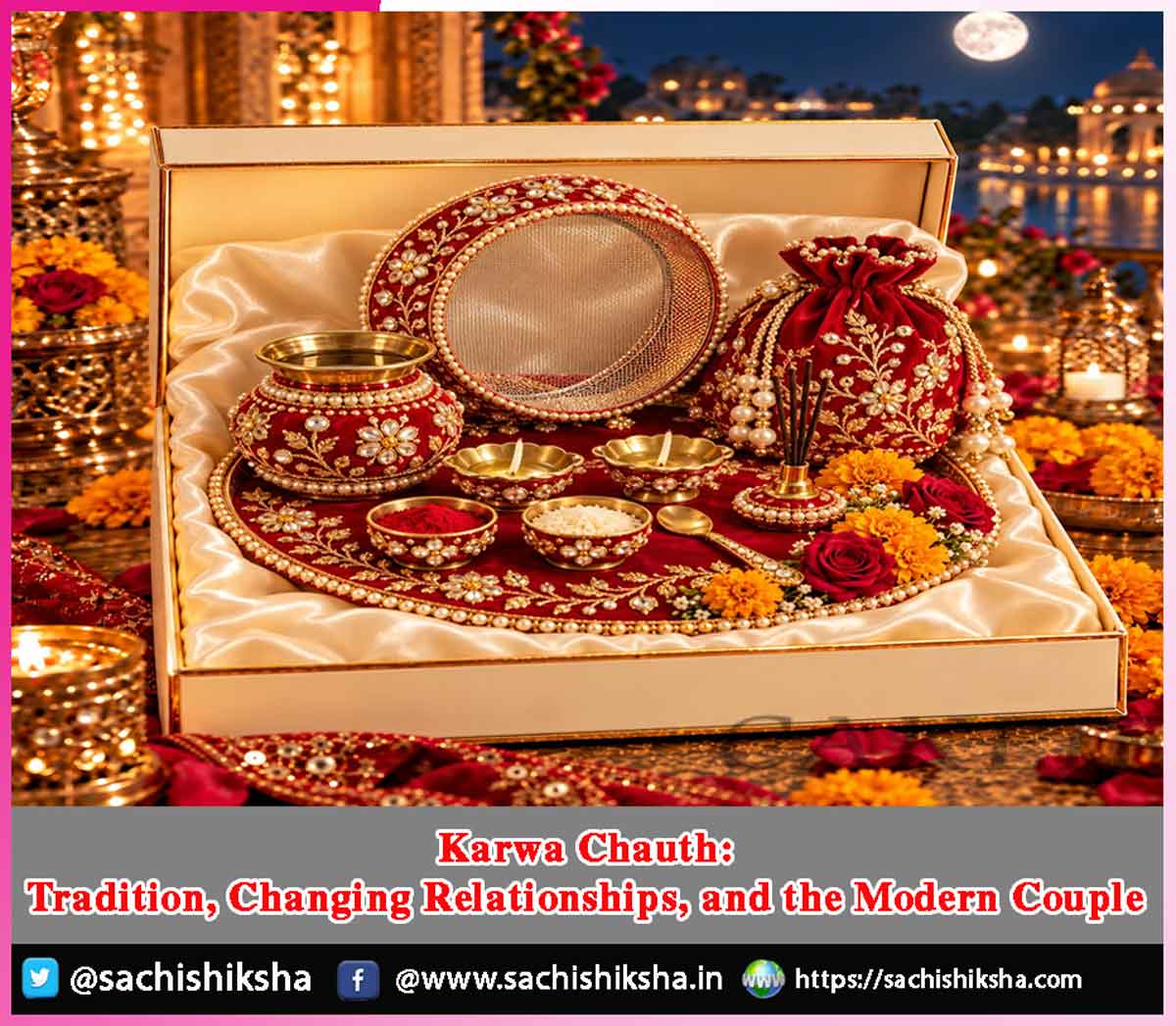
Karwa Chauth 2026: Karwa Chauth: Tradition, Changing Relationships, and the Modern Couple
Introduction: Karwa Chauth is one of the most popular and significant festivals celebrated by Hindu women in India. It is mainly observed in northern and northwestern regions, including Punjab, Haryana, Rajasthan, Uttar Pradesh, and Delhi. The festival falls on the fourth day after the full moon in the Hindu month of Kartik (usually occurring in October or November).
On this day, married women observe a fast for the long life, good health, and prosperity of their husbands. Over time, Karwa Chauth has also evolved into a broader celebration of companionship, mutual respect, and togetherness.
Table of Contents
Origin and Meaning
The name Karwa Chauth is derived from two words:
- Karwa: An earthen pot used to store water, which holds special significance during prayers and traditional ceremonies.
- Chauth: The fourth day of the lunar fortnight.
Traditional Rituals and Fasting
Karwa Chauth represents a deep emotional connection between married couples. Traditionally, women observe a strict fast from sunrise until the moon appears at night, refraining from both food and water (nirjala fast). During this period, they pray for the longevity and health of their husbands, as well as happiness and harmony within their families.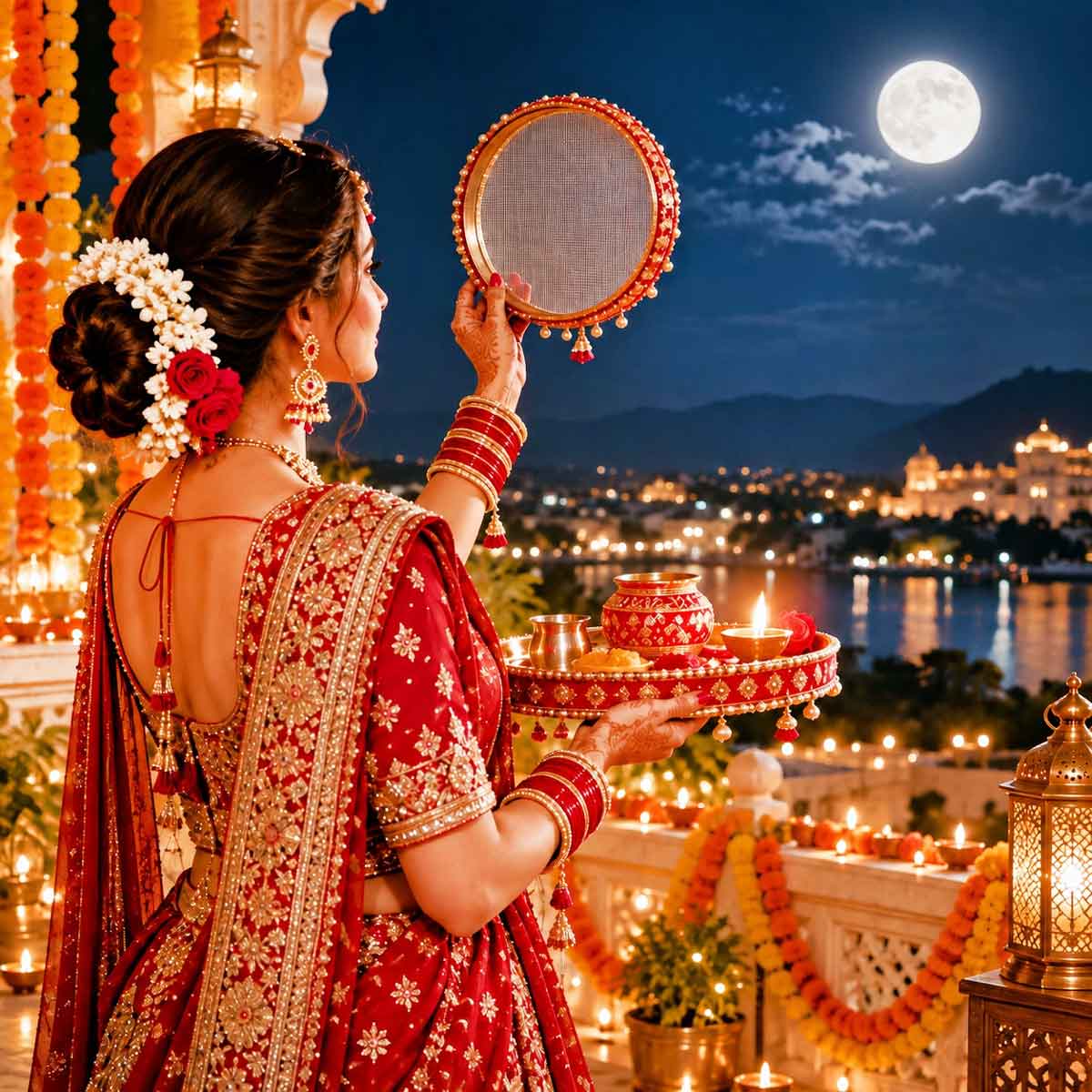
During the day, women spend time preparing for the evening ceremonies, gathering with relatives and friends, exchanging festive greetings, and sharing stories associated with the festival.
In the evening, women dress in traditional attire and gather for the Karwa Chauth Pooja. They worship Goddess Gauri, a form of Goddess Parvati, seeking blessings for marital happiness and family well-being. The women sit together, listen to the traditional Karwa Chauth story (katha), and participate in customary offerings, including the exchange of karwas based on regional practices.
Media Influence and Global Reach
In recent years, Karwa Chauth has gained widespread popularity through television, films, and social media. These platforms have made its traditions and customs familiar to people across different regions of India and within Indian communities living abroad.
The Modern Couple and Evolving Traditions
Today, many couples celebrate the occasion together by exchanging gifts, planning special dinners, and expressing appreciation for one another. Additionally, a growing number of husbands choose to observe the fast alongside their wives, demonstrating that care, commitment, and effort are shared equally in a relationship.
At the same time, the festival has encouraged meaningful discussions about health, personal choice, gender equality, and the evolving role of tradition in contemporary society. While many women observe the fast as an expression of faith and love, others choose alternative ways to celebrate their partnership. Respecting individual choices is an essential part of keeping traditions relevant and meaningful.
Core Significance
Ultimately, the true spirit of Karwa Chauth lies not only in fasting or performing rituals, but in caring for one another and nurturing a relationship built on understanding and mutual support. It serves as a reminder that love grows stronger when accompanied by respect, kindness, and shared responsibility. In this way, Karwa Chauth continues to hold a special place in Indian culture, honoring the enduring beauty of human relationships.