























How Colours Influence Behaviour
Introduction: Have you ever noticed that a glowing red “SALE” or “ATTENTION!” sign catches your eye immediately, creating a feeling of urgency? Or that a room with pastel-coloured walls can feel quiet and relaxing? Sometimes, our choice of colour for an outfit ends up reflecting our behaviour.
We often think of colour as an element that simply makes things look nice or aesthetically pleasing. However, it can affect how we feel, what we notice, and sometimes even what we do. This is where the psychological aspect of colour comes in. It is about how colours can affect our feelings, attention, thoughts, and behaviour. However, colour is not a magic button that transforms the aesthetic aspect of anything. Our reaction can depend on the situation.
Table of Contents
Colour and Our Behaviour
Different colours can be related to different scenarios. Red, for example, is linked with energy, excitement, danger, love, anger, and power. According to Andrew J. Elliot’s 2015 review, research shows that red can attract attention and make people perceive someone as more dominant or aggressive. Blue is often associated with calmness, while green suggests nature, health, and growth. Yellow is commonly linked with happiness and warmth.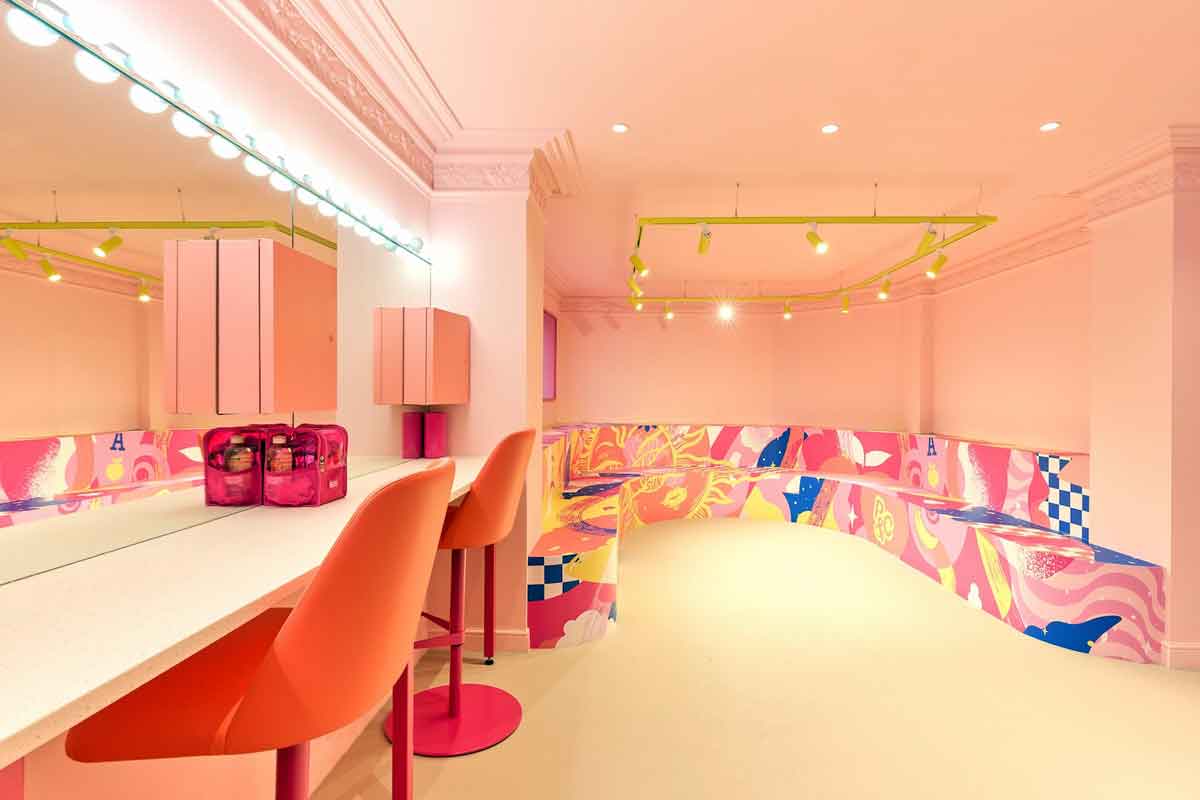
However, colour does not affect everyone in the same way. Its meaning can depend on culture, memories, age, gender, and context. Children often prefer bright colours such as red, yellow, and blue, while older adults may prefer warmer, softer, or pastel colours, partly due to changes in preferences. These are general patterns, but not fixed rules. Psychologist B. Angela Wright explains that colour preference is an emotional and subconscious response shaped by memories and culture. Thus, colour can influence emotions, attention, first impressions, and behaviour, but it does not always control how people respond.
Does Colour Have a Cultural Dimension Too?
Colour also gets its meaning from the world we grow up in. In some cultures, red represents sacredness, while in others, it could be associated with a bad omen. Mourning colours in various cultures are often black or white, with these colours representing the end of a life, bidding farewell to the deceased, and praying for their souls to attain peace.
Karen B. Schloss explains that people connect colours with different ideas, and these connections help us understand what we see. These meanings can change depending on the situation and context. Our own memories matter as well. A colour connected with a happy childhood memory may make one person feel good, while the same colour may remind another person of something sad.
Beyond What the Eyes See
Colour can grab our attention, create a certain mood, influence how we see a product, and influence everyday decisions. We can see this happening in many places around us. Pink and blue can also highlight familiar gender stereotypes, such as pink being associated with girls and blue with boys. Furthermore, bright colours such as bright yellow, blue, or neon colours are commonly used in children’s sections or shows because they are visually noticeable, can make these environments feel livelier, and attract the target audience.
This is why colour is purposefully used in advertising, branding, gaming, packaging, buildings, classrooms, and websites. At the same time, its effect is not the same for everyone; age, culture, personal experience, mood, and context can change how we respond to it. So, colour may look ordinary, but our reaction to it might not be. The next time a colour catches your eye or changes your mood, it might be doing more than just looking pretty.
Conclusion
Colour can affect our feelings, attention, thoughts, and behaviour. Its meaning and effect can depend on culture, memories, age, gender, personal experience, mood, and context. Therefore, colour can influence how people respond, but it does not always control their responses.