























How Music Shapes Memory
Introduction: Listening to Zubeen Da’s “Mayabini” tunes may feel like an emotional anthem to some people. For someone else, another melody may become a quiet place to breathe after a difficult day.
Some people cope with stress using music to drown out the noisy life and find an escape in the moment. And surely, sometimes music tends to transport us into a lane of nostalgia. A familiar tune can suddenly take us back to an old classroom, a trip, a friend, or a moment we had almost forgotten about.
Table of Contents
Scientific Findings on Music and Autobiographical Recall
This relation between music and memory is more than just a feeling. In a 2025 study, Pelin Tanberg had studied 84 participants and analyzed the effect of songs in bringing back autobiographical memories, and compared it with spoken features of that same pop lyrics.
They also found that older songs tended to bring back older memories, while more positive tunes were linked with more positive memories. This suggests that music can help the mind recover not only what happened, but also something of when it happened and how it felt.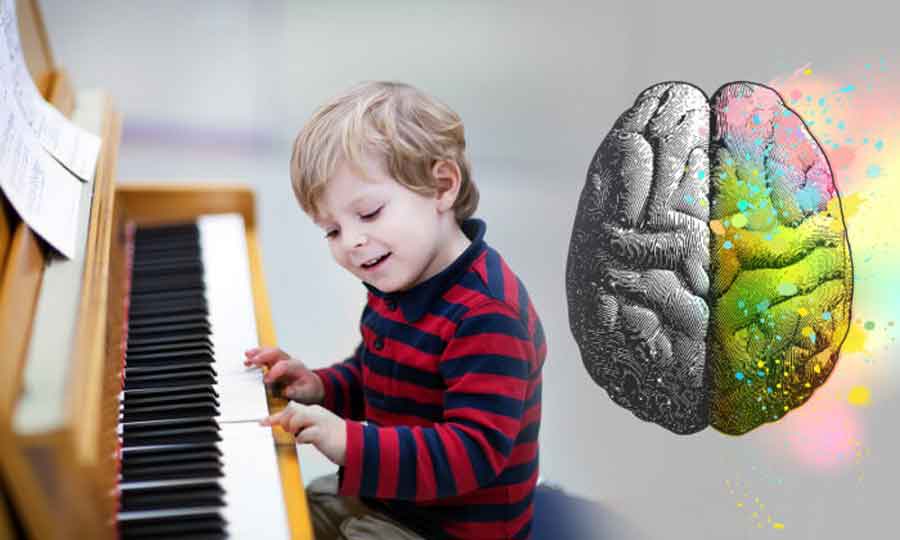
Neural Recovery and Cognitive Function
Music can sometimes reach the mind in ways ordinary conversation cannot. A striking example is the case of former U.S. Congresswoman Gabby Giffords. After suffering a severe brain injury in 2011, she underwent speech and physical therapy. Music therapy became part of her recovery, and she returned to playing the French horn, an instrument she had played as a teenager. The American Psychological Association reports that she credited music with helping her regain the ability to speak.
Music also affects the brain through several connected systems involved in memory, emotion and attention. Research shows that music activates diverse brain systems, while self-selected music can strongly engage reward and identity-related processes. At the same time, its effects are not identical for everyone. Music can help memory and mood, but in tasks requiring concentration, lyrical or spoken parts of songs may interfere with performance.
Cultural Dimensions: Ragas and Emotional Resonance
This relationship of music and memory is also visible in Indian music. Indian musical traditions have long connected the raga with specific moods, emotions and states of consciousness. A 2024 study by Sumit Vadher on ragas, emotions and mental wellbeing discusses the connection between music, emotional resonance, memory and stress reduction. Indian music, hence, can be understood not only as something we listen to, but also as something that can influence our inner state of mind.
Conclusion
Perhaps that is why a song can sometimes feel less like audio and more like a space to go to. We do not just hear music; we enter it. A familiar melody can bring back old memories we could have consciously forgotten. It can calm us when life feels too loud, gives shape to emotions or simply allows us to sit with ourselves for a while. Our memories, experiences, preferences and the situation in which we hear a song all influence how we respond to it.
So, when “Mayabini” reminds someone of home, when a raga helps another person slow down, or when an old song suddenly brings back a childhood memory, music becomes more than a source of entertainment. It becomes an intersection point of audio, memory, emotion and identity. It does not just accompany us through headphones in our lives; sometimes, it helps us remember, understand, and cope.