























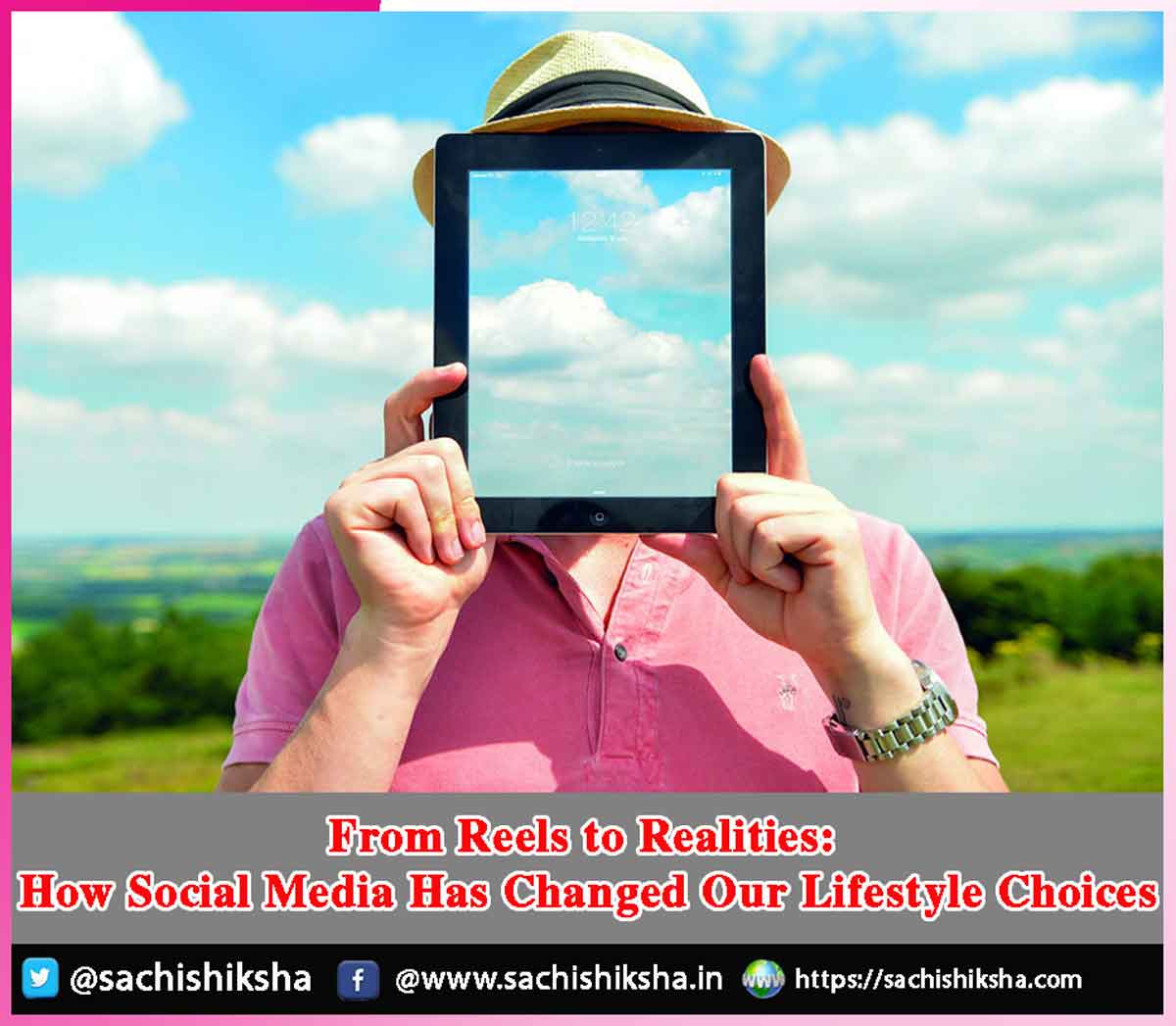
From Reels to Realities: How Social Media Has Changed Our Lifestyle Choices
Introduction: Going to cafes, styling our hair, or wearing a stylish outfit can all be turned into a curated lifestyle—one that is admired, mimicked, or simply used as a form of “retail therapy.” Reels and Shorts on platforms like Instagram and YouTube have fundamentally changed how we discover trends and determine what we want. Influencer culture plays a central role in this shift.
Table of Contents
The Power of Influencer Culture
Influencers go beyond merely promoting products; they design an appealing lifestyle through aesthetically pleasing videos and relatable content. Audiences naturally begin to admire a creator’s lifestyle, whether it is their morning routine, fashion choices, or travel experiences. Over time, these curated habits become accepted as standard lifestyle choices.
The Pursuit of Aesthetics and Identity
Significant emphasis is now placed on looking good on social media. Maintaining an aesthetically pleasing room, owning the latest gadgets, or sharing a trendy “Outfit of the Day” (OOTD) in perfect lighting is often viewed as a mark of good taste and an indicator of identity. However, when we place too much importance on appearances, problems arise, and we can start feeling immense pressure to present ourselves in a specific way.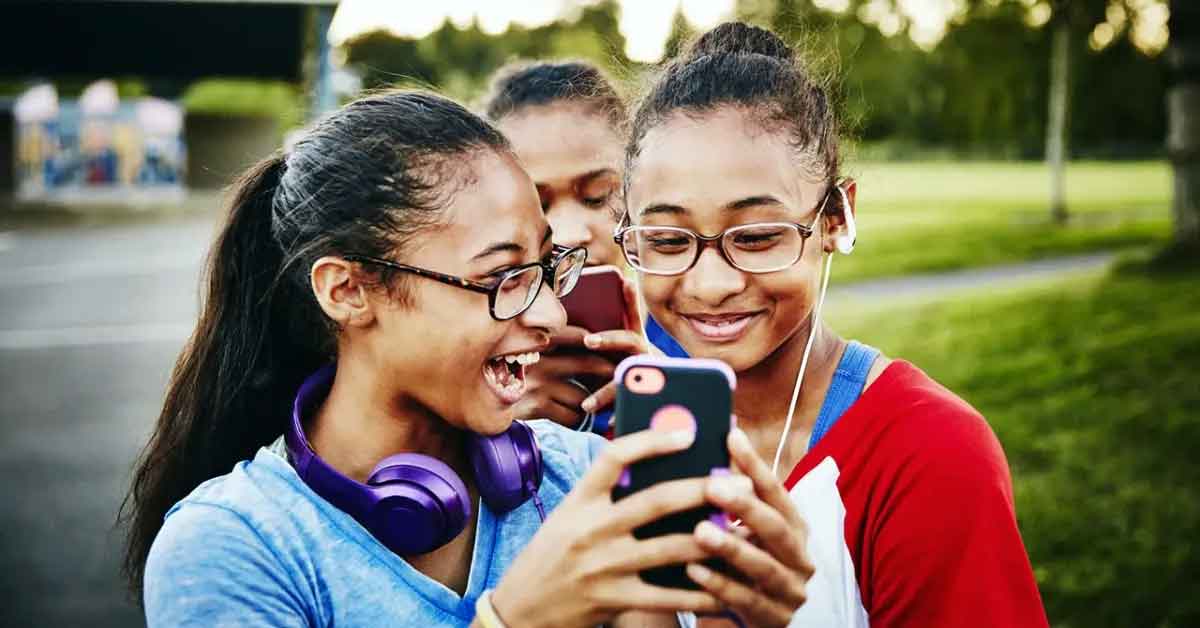
Pressure, Marketing, and the Fear of Missing Out
When a product or habit is showcased in an influencer’s routine, it can make the audience feel that it is both essential and popular. Many believe that adopting the same choices will grant them social validation. Targeted marketing creates a desire for things people did not even know they needed, while limited-time offers generate artificial urgency. After constantly watching Reels, viewers often feel compelled to buy specific items. As trends rapidly evolve across digital platforms, consumers frequently make purchases driven purely by the fear of missing out (FOMO).
Unrealistic Expectations and Unconscious Conditioning
As stated by Jean-Philippe Chaput and Allana G. LeBlanc in their 2025 study, social media exposes individuals to targeted marketing and unrealistic expectations. This alters everyday behavior as people conform to ever-changing trends. Continuous exposure to promotional content conditions our minds to view these lifestyles as normal, making it difficult to realize just how much our personal choices are being manipulated.
Finding Balance and Making Mindful Choices
While social media can bring people together through shared interests and digital communities, it can also trigger unhealthy comparisons and lower overall well-being if not used mindfully. Instead of completely dismissing trends or influencer recommendations, we should reflect on our motives before making a purchase. Are we buying something because we genuinely need it, or because we want to project a certain image? Will it serve a real purpose, or is it merely to keep up with a temporary trend?
Ultimately, our lifestyle choices should be grounded in our actual needs, personal values, and current circumstances. It is great to enjoy the digital world, but we must not let a curated version of online reality dictate how we live. Social media is a tool for communication—it should remain a tool we use, rather than a force that controls us.