

























Is Social Media Affecting the Mental Health of Young People?
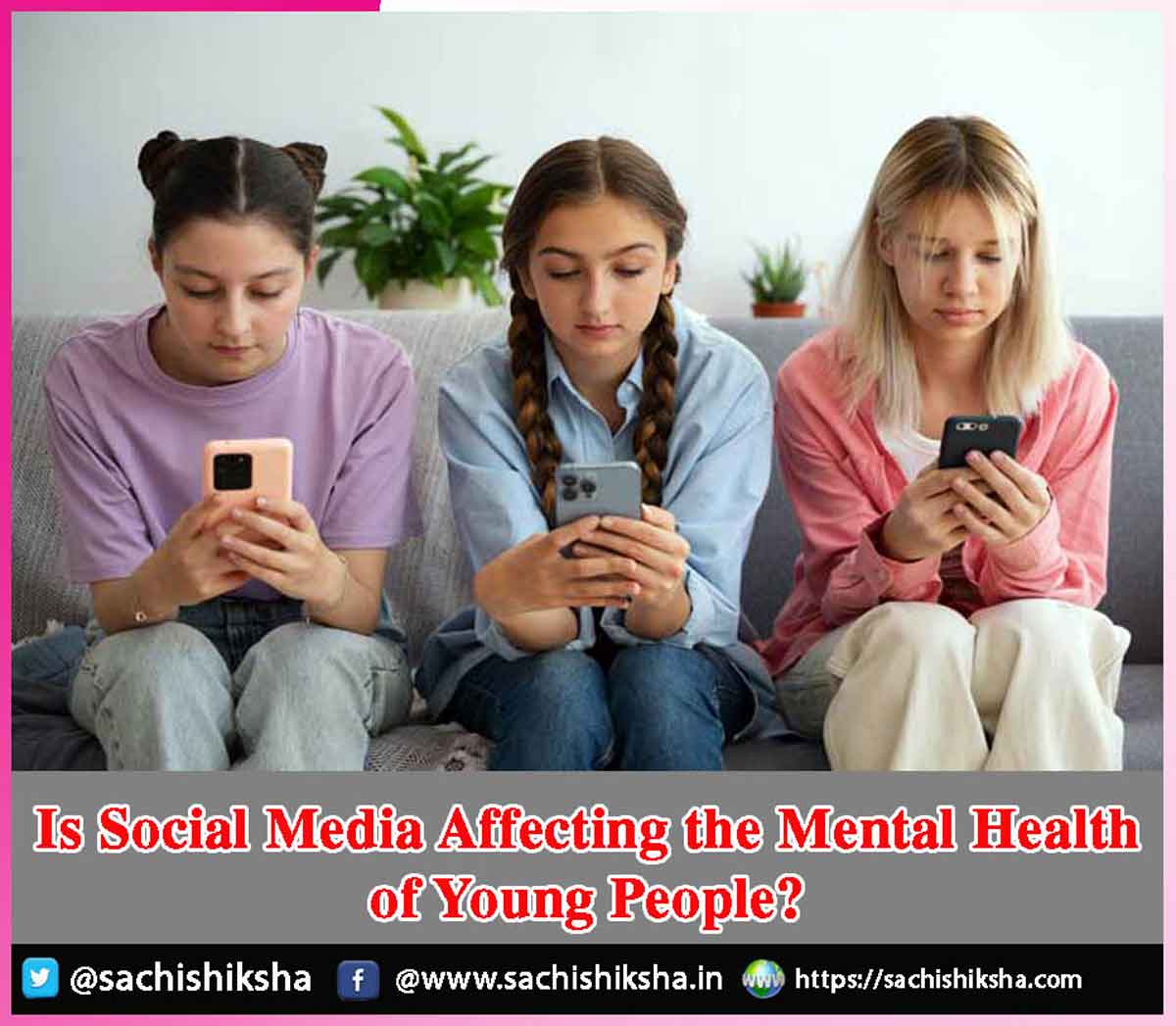
Introduction: Social media has become an inseparable part of modern life, particularly for young people. Platforms such as Instagram, Facebook, Snapchat and YouTube have transformed how individuals communicate, share experiences and access information. From staying connected with friends to discovering new interests and expressing creativity, social media offers several benefits. However, its growing influence has also raised concerns about its impact on young people’s mental health. While these platforms create opportunities for connection and self-expression, excessive or unhealthy usage can contribute to stress, anxiety, low self-esteem and other emotional challenges.
Table of Contents
The Pressure of Comparison
One of the major ways social media affects mental health is through constant comparison. People often share carefully selected photographs, achievements, vacations and lifestyle experiences, presenting an idealised version of their lives. Young users who regularly view such content may begin comparing their appearance, relationships, financial circumstances and achievements with those of others.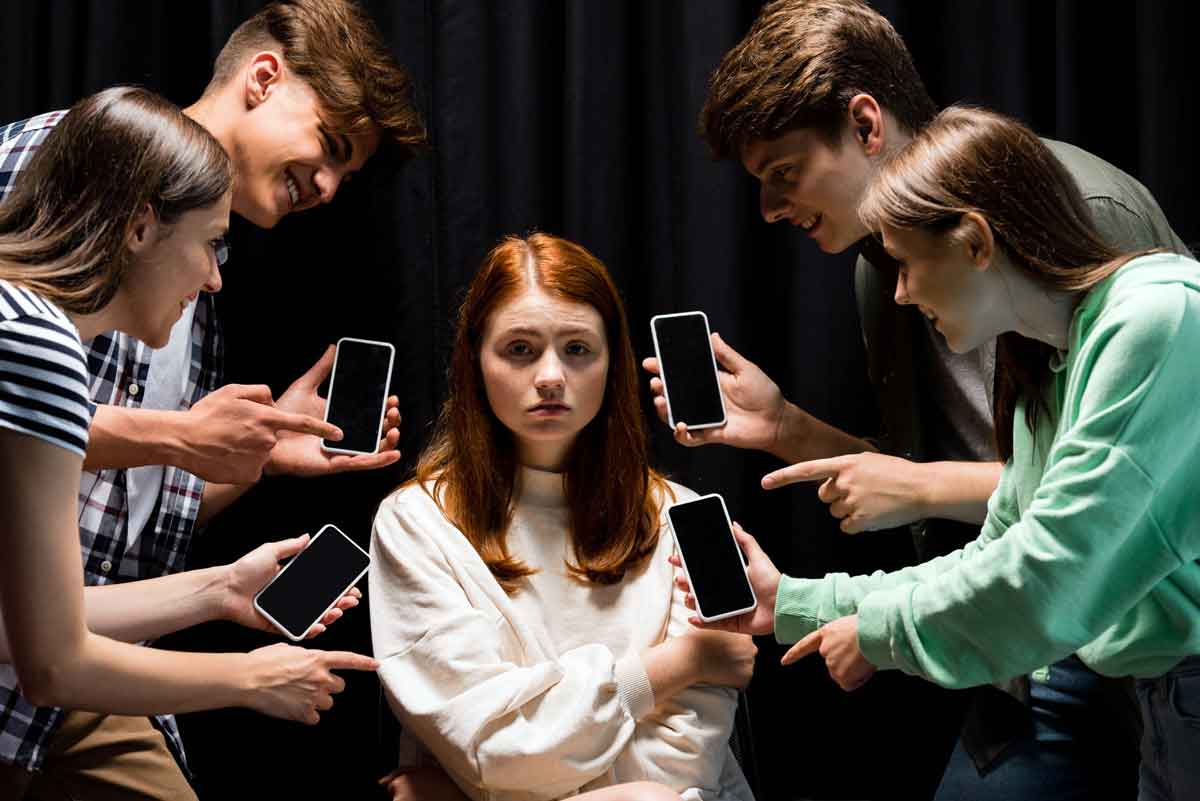
Over time, this comparison can create feelings of inadequacy, dissatisfaction and low self-confidence. The pressure to look attractive, remain fashionable or maintain a seemingly perfect lifestyle can also affect how young people perceive themselves.
The Need for Likes and Online Validation
For many young users, likes, comments, shares and followers have become measures of social acceptance. A post receiving fewer interactions than expected may lead to disappointment or self-doubt. Similarly, the desire to gain online attention can encourage individuals to constantly create content and monitor their social media performance.
This dependence on external validation may gradually affect self-worth. Instead of valuing personal experiences, young people may begin measuring their happiness through online responses and approval.
Cyberbullying and Online Harassment
Unlike traditional bullying, cyberbullying can follow individuals beyond school, college or social gatherings. Hurtful comments, online rumours, public humiliation and unwanted messages can reach victims at any time.
Young people experiencing cyberbullying may develop anxiety, emotional distress, loneliness and a fear of social interaction. Since online content can be shared widely and remain accessible, the emotional impact can sometimes be prolonged. Creating awareness about responsible digital behaviour and providing safe reporting mechanisms are essential to addressing this issue.
Sleep Disruption and Reduced Concentration
Excessive social media usage can also interfere with healthy daily routines. Many young people spend considerable time scrolling through content, particularly before going to bed. Notifications, endless feeds and the habit of checking updates can delay sleep and reduce its quality.
Insufficient sleep may affect concentration, memory, academic performance and emotional regulation. Constant exposure to short-form content may also make it difficult for some individuals to maintain attention on activities that require sustained focus.
The Positive Side of Social Media
Despite these concerns, social media is not entirely harmful. When used responsibly, it can provide valuable opportunities for learning, creativity and emotional support.
Young people can connect with communities that share their interests, discover educational resources, explore career opportunities and express themselves through art, writing, photography and other creative activities. Social platforms can also help individuals find supportive communities and access mental health awareness resources.
For those who feel isolated in their immediate surroundings, meaningful online connections can offer a sense of belonging. The impact largely depends on the type of content consumed, the nature of interactions and the amount of time spent online.
Building a Healthier Relationship with Social Media
Developing healthy digital habits is essential to protecting mental well-being. Young people can begin by setting daily screen-time limits, avoiding unnecessary notifications and taking regular breaks from social platforms.
Following positive and informative accounts, unfollowing content that encourages unhealthy comparisons and prioritising real-world relationships can also make a difference. Parents and educators should encourage open conversations about online experiences rather than simply restricting access to technology.
Schools can play an important role by introducing digital literacy programmes that help students understand online risks, recognise misinformation and practise responsible social media behaviour.
Finding the Right Balance
Social media itself is not the enemy; the challenge lies in how it is designed, accessed and used. Its influence on mental health varies from person to person, depending on individual circumstances, online experiences and usage patterns.
As digital platforms continue to evolve, young people must learn to use them without allowing online approval to define their identity or happiness. Real friendships, personal achievements, physical activities and meaningful experiences deserve attention beyond the digital world.
Ultimately, a healthy relationship with social media is about balance. Technology should serve as a tool for connection, learning and self-expression, not become a source of constant pressure. Protecting mental health begins with recognising when to stay connected and when to disconnect.