

























How Extreme Weather Events Are Changing Our Planet
Introduction: A rat in the kitchen can be a nuisance. People may want to get rid of every rat, just as they may wish for shorter winters or less rain. But things in nature are connected. Rats can be food for owls, snakes and others. Removing animals without thinking about their role can affect the food chain. This does not say harmful rats should never be controlled. It means changes in nature can sometimes have effects we do not expect.
Table of Contents
Nature’s Delicate Balance
Winter and rains might make someone uncomfortable, but they are important. Seasons guide when plants grow, when animals breed and when birds migrate. If winter becomes warmer or arrives late, these activities can change. If rain comes late, stops early or falls too heavily, farmers, rivers, forests and animals can all be affected. The problem is that due to various reasons, the usual weather pattern is becoming less reliable, and is even resulting in extreme weather conditions.
Weather vs. Climate
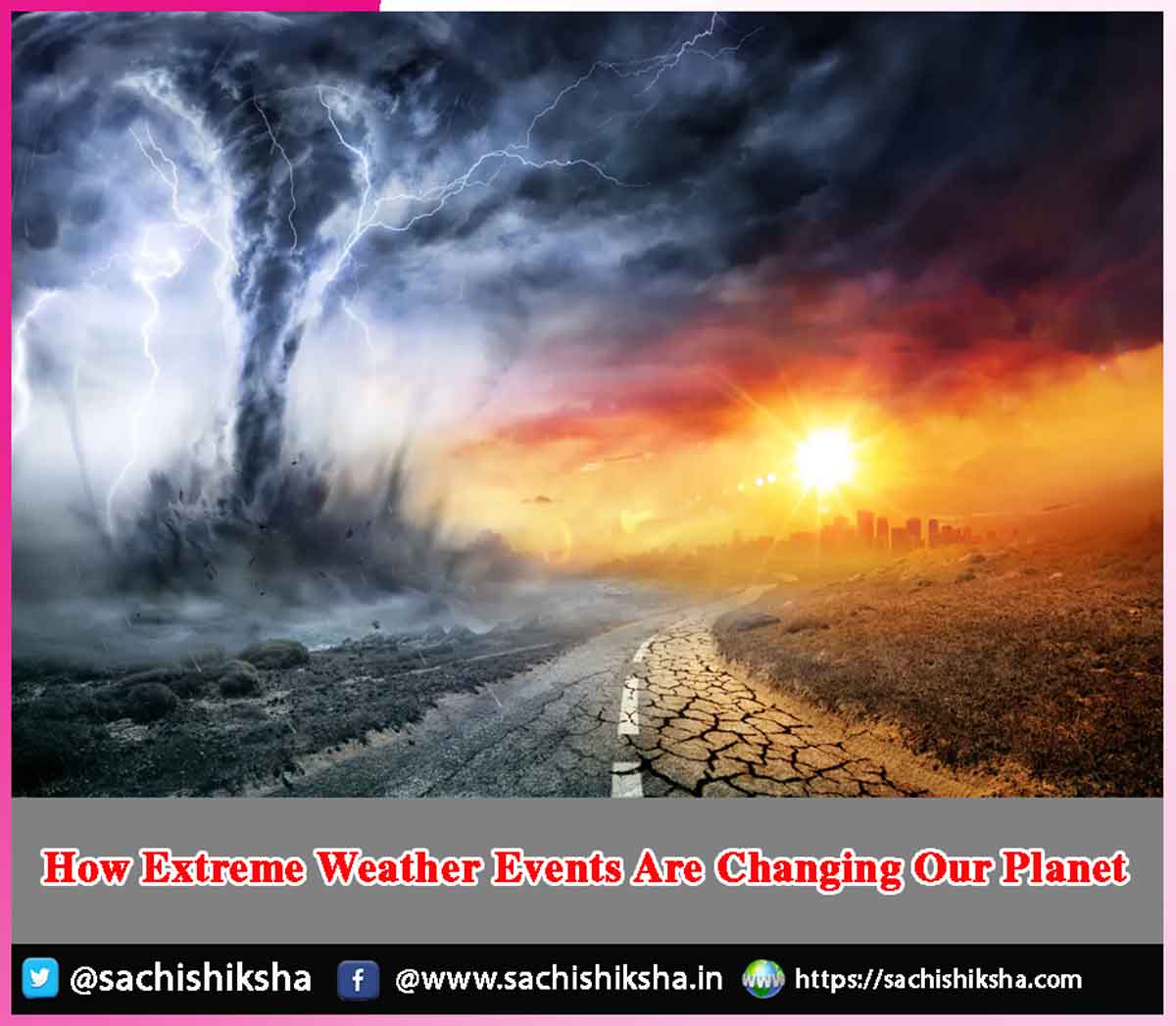
Extreme weather events are unusually severe weather conditions including heatwaves, droughts, floods, heavy rain, storms, cold spells and wildfires. Weather is what happens over a short time, while climate is the usual pattern observed over many years. Climate change does not simply cause every storm or flood. However, it can make some events more likely or more severe.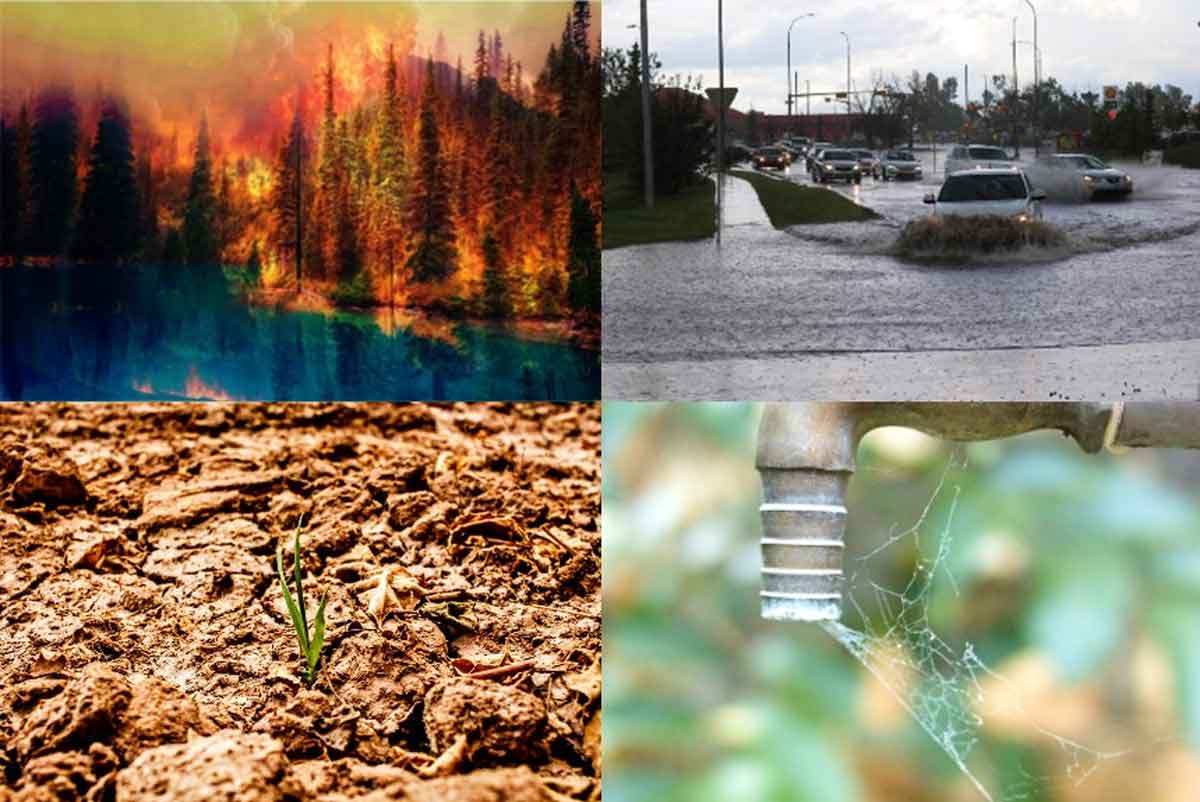
How Global Warming Fuels Extremes
One of the major reasons is global warming. When coal, oil and gas are burned for electricity, transport and industry, they release gases such as carbon dioxide. These gases trap heat in the atmosphere, making Earth warmer. Cutting down forests adds to the problem because fewer trees are left to absorb carbon dioxide. Warmer air can hold more water, which can further lead to heavier rain. At the same time, heat causes water to evaporate faster and dries the soil, making drought worse. The same warming world can face both floods and water shortages.
According to a NASA-led study published in Nature Water in 2023, extreme floods and droughts occurred more frequently between 2015 and 2021, averaging four events per year compared to three in the previous thirteen years. The study also found that their intensity increased with rising global temperatures.
The Toll on People and Ecosystems
The effects reach humans, animals and plants. Extreme heat can make people ill, especially older people and outdoor workers. Smoke from wildfires and worsening air quality can make breathing difficult. Floods can damage homes, roads and crops, and pollute drinking water. Drought can reduce harvests, kill livestock and make food more expensive. Forests, rivers and wildlife are affected too.
According to researchers Caroline Ummenhofer and Gerald Meehl, extreme weather can affect plant growth, animal survival and natural habitats, disturbing how ecosystems function. Prolonged droughts dry out rivers and wetlands, while heatwaves and changing rainfall patterns weaken forests and reduce vegetation. In this way, climate change does not simply make the weather uncomfortable; it changes the conditions that allow life on Earth to survive.
Collective Action for a Safer Future
Governments need to make climate policy a priority. They need to reduce fossil fuel use, support clean energy, protect forests and wetlands, improve public transport and prepare towns for floods and heat. They must also provide early warnings and help people who have fewer resources to recover after disasters.
People, at the grassroots level, can also help in daily life. Saving electricity and water, using public transport, wasting less food, planting native trees and avoiding burning rubbish all make a difference. Ultimately, nature works through complex interconnections. Protecting the planet means understanding those connections and making choices that do not put them at risk.