























Festival Foods of India: The Stories Behind Our Favourite Sweets and Dishes
Introduction: When we are away from home, sometimes all it takes to feel better is a meal that reminds us of home. It is no surprise that advertisements often use the phrase “tastes like mom’s food.” Ask hostel students, and they will tell you how much they miss home-made meals.
But when festivals arrive, food becomes something more than an answer to the everyday question, “What shall we eat today?” It becomes a reason to gather, catch up with loved ones, share stories and feel closer to our roots. From north to south and east to west, our favourite sweets and dishes speak multitudes of tales.
Table of Contents
The Cultural Stories Behind Festive Foods
But have we ever stopped to wonder why a particular sweet reminds us of a festival, or why some dishes are prepared only at a certain time of the year? Behind every recipe lies a story of its people, their beliefs, and the memories they have carried across generations. Sometimes, a single bite can take us back to a cherished childhood memory, our grandparents’ kitchens, or a celebration we still cherish.
Festive Foods and Cultural Traditions
Perhaps that is the beauty of Indian festive food where, every dish brings its own colours, flavours and stories to our tables. In India, almost every festival has some special delicacy waiting to be prepared. These dishes carry memories, family traditions and the tales of the places we come from. As discussed by Dr. Jannat Dhanda in a 2025 paper, festival foods help preserve our cultural traditions, express religious beliefs and strengthen relationships within communities.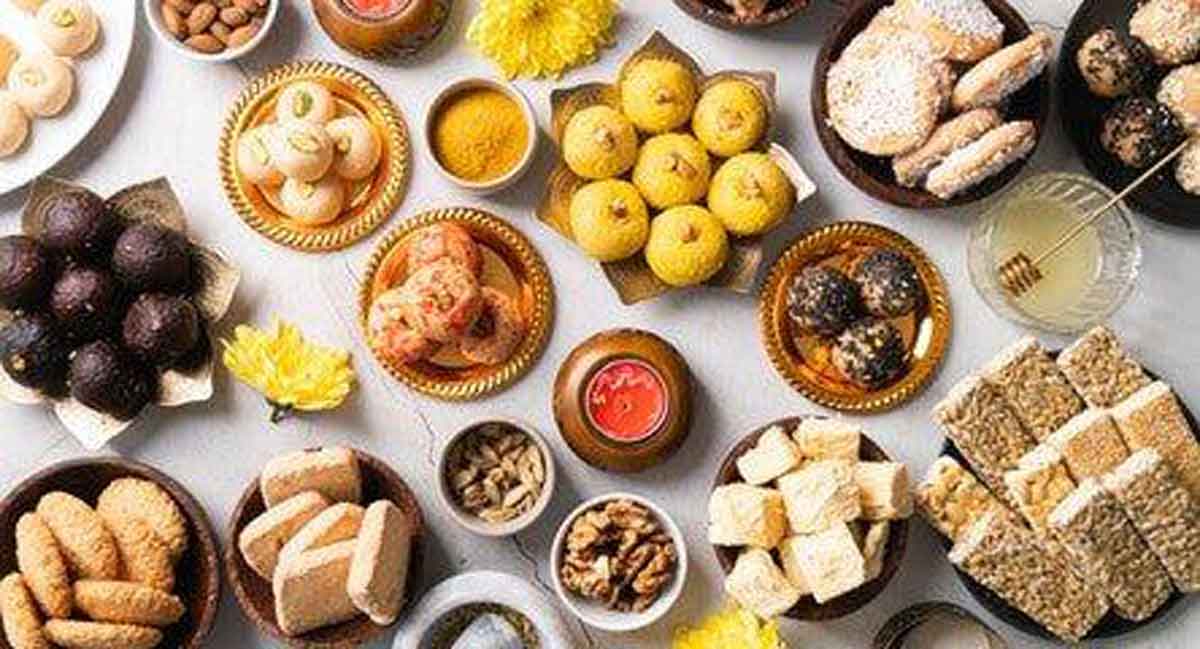
Regional Delicacies and Festival Specialities
During Onam in Kerala, the traditional sadhya, served on a banana leaf, brings together rice, vegetables, pickles and other dishes, often ending with payasam. In Tamil Nadu, Pongal is celebrated with a dish of the same name, traditionally prepared using rice and lentils. According to researchers, food during festivals such as Pongal connects culinary traditions with cultural identity, gratitude and community celebrations.
India has a rich tradition of sweets such as Bengali rasgulla and sandesh. During Eid-ul-Fitr, families prepare and share sheer khurma, a dessert made with vermicelli, milk, dates and nuts. Holi, meanwhile, brings gujiya to many festive tables. Such food traditions continue to carry cultural meaning even as modern life changes the way we prepare or enjoy festive meals.
Traditional Foods and Festive Celebrations
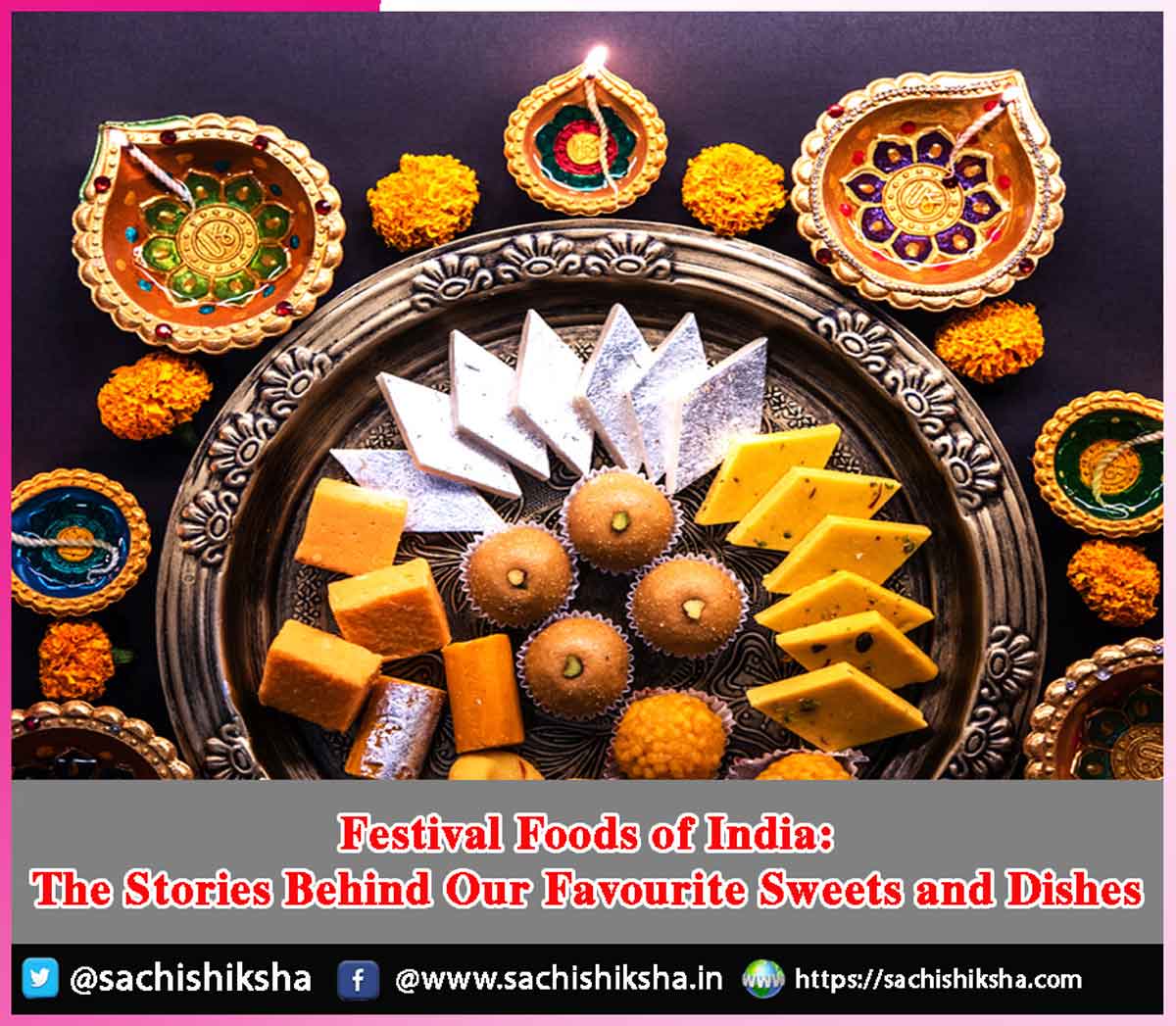
Diwali brings its own familiar spread of barfi, laddoos and gulab jamun, alongside savory snacks such as chakli. Exchanging sweets with neighbours and friends is a small but meaningful way of sharing the festive spirit. During Navratri, many people observing a fast prepare dishes like sabudana khichdi, following their fasting customs. Festive foods are hence shaped by the traditions and practices associated with various occasions.
The Joy of Cooking Together
Perhaps the best part of festive cooking, is what happens before the food reaches the tables. Someone rolls out the dough, someone else prepares the filling, and another person insists on tasting everything along the way. Recipes are passed down, little kitchen gossips are shared, and memories are made without any prior planning.
Preserving Food Traditions Across Generations
Our food traditions may change as families move and lifestyles and timelines evolve, but their meaning often stays with us. Whether it is Onam’s sadhya, Navratri’s fasting dishes or Diwali’s box of delicious mithai, these delicacies remind us that festivals are not just about what we eat. They are about the people we share these foods with, the homes we remember and the traditions we choose to carry forward.