























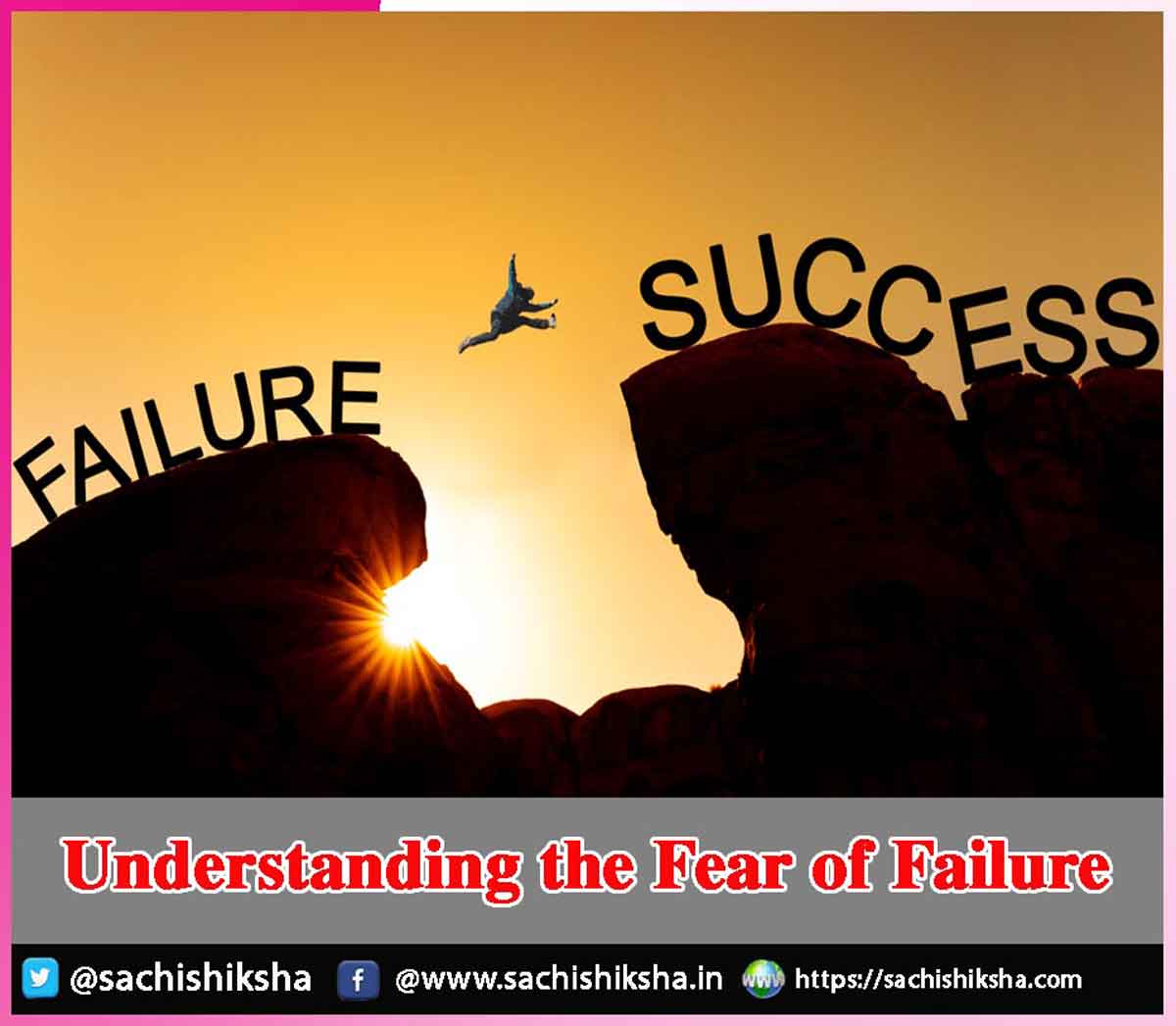
Understanding the Fear of Failure
Introduction: Fear of failure is one of the most common yet powerful barriers to personal growth. It quietly shapes our decisions, holds back our ambitions, and convinces us to choose safety over possibility. Whether it appears as self-doubt, procrastination, or avoidance, the fear of failing often prevents people from trying at all. Learning to overcome this fear is not about eliminating failure, but about changing how we see and respond to it.
Table of Contents
Why Failure Feels Threatening
At its core, fear of failure is rooted in our desire for approval and success. From an early age, many people are taught to associate failure with shame or inadequacy. Mistakes are corrected, grades are compared, and success is praised, while failure is often treated as something to be avoided. Over time, this conditioning creates the belief that failing means being unworthy or incapable. As a result, people begin to fear judgement more than they value learning.
Failure as Part of Success
 However, failure is not the opposite of success; it is a part of it. Every meaningful achievement carries with it a trail of setbacks, missteps, and lessons. Inventors, entrepreneurs, athletes, and artists all share a common truth: they failed many times before they succeeded. What sets them apart is not a lack of fear, but the courage to move forward despite it.
Reframing Failure as Feedback
One effective way to overcome the fear of failure is to reframe failure as feedback. Instead of seeing it as a final verdict on your abilities, view it as information that helps you improve. Each failure reveals what does not work and points you closer to what might. This mindset shift transforms failure from a threat into a teacher. When mistakes are seen as opportunities to learn, they lose much of their power to intimidate.
Setting Realistic Expectations
Another important step is setting realistic expectations. Fear often grows when we place immense pressure on ourselves to be perfect or to succeed immediately. Breaking large goals into smaller, manageable steps reduces anxiety and builds confidence. Small wins create momentum and remind us that progress matters more than perfection.
The Role of Self-Compassion
Self-compassion also plays a vital role in overcoming fear of failure. Practising kindness towards yourself during setbacks helps to maintain emotional resilience. Instead of harsh self-criticism, ask reflective questions such as, “What can I learn from this?”
Power of Supportive Relationships
Surrounding yourself with supportive people can further ease the fear of failure. Sharing goals, struggles, and setbacks with trusted friends, mentors, or peers normalizes the experience of failing. When failure is openly discussed rather than hidden, it becomes less frightening. Supportive environments remind us that we are not alone and that setbacks are a natural part of any journey.
Action Builds Confidence
Waiting for fear to disappear often leads to inaction. Confidence is built through experience, not before it. By taking small, courageous steps, you gradually prove to yourself that failure is survivable and that you are capable of handling challenges.
Conclusion
Overcoming the fear of failure requires a shift in mindset, patience, and self-belief. Failure does not define your worth; it shapes your growth. When embraced as a learning experience rather than a personal flaw, failure becomes a stepping stone towards resilience, confidence, and long-term success.The courage to try, despite the possibility of failing, is what ultimately leads to meaningful achievement.