


























Freedom and Responsibility
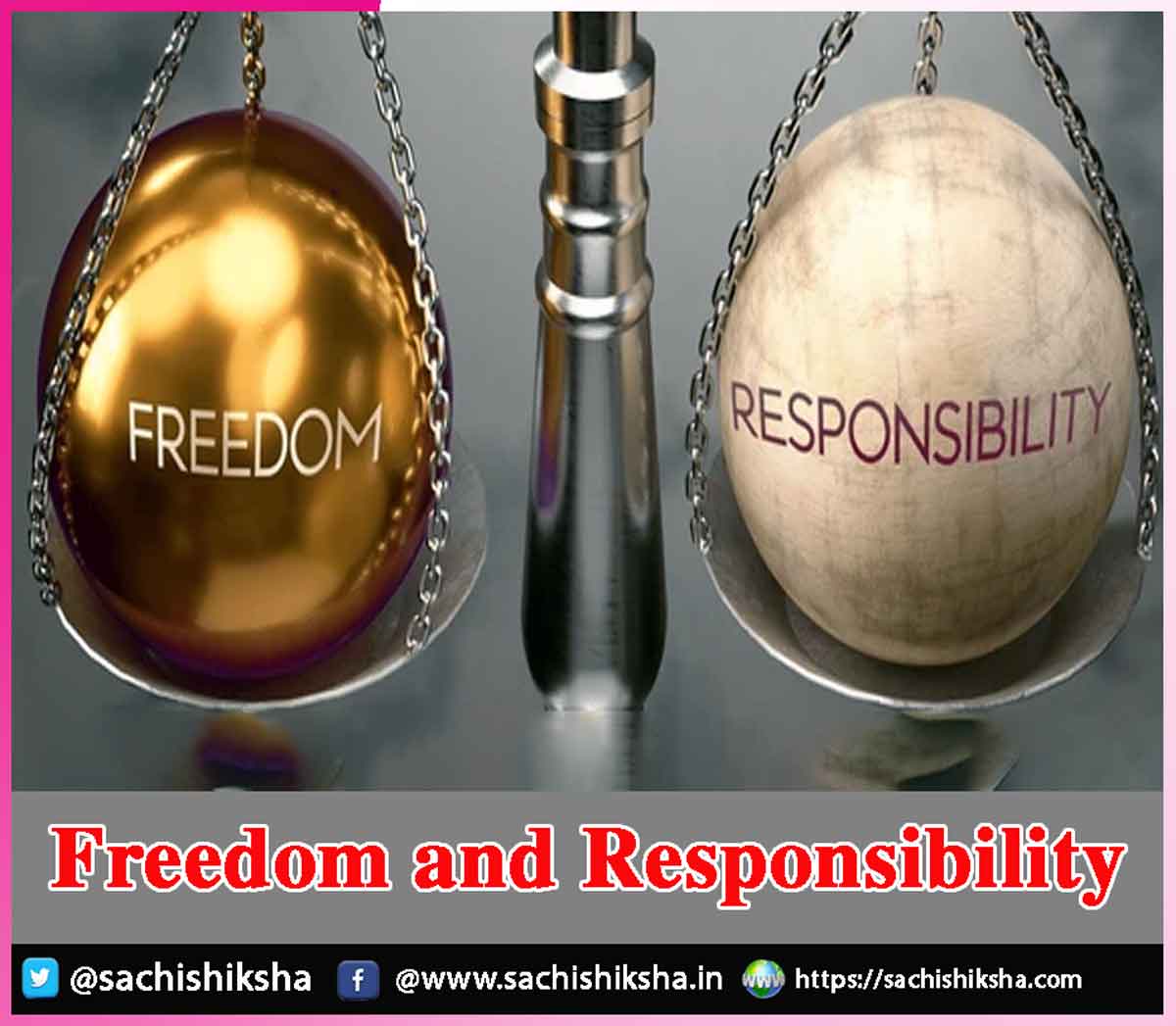
Introduction: Freedom is one of the most cherished ideas in human history. It evokes images of choice, independence, and the ability to live life on one’s own terms. From political movements to personal aspirations, freedom has been celebrated as a fundamental human right. Yet freedom does not exist in isolation. It is inseparably linked to responsibility. Without responsibility, freedom can quickly turn into chaos, harming individuals and society alike. Understanding the balance between the two is essential for a healthy, just, and meaningful life.
Table of Contents
Meaning of Freedom
At its core, freedom refers to the ability to think, speak, and act without undue restriction. In a personal sense, it allows individuals to pursue their goals, express their beliefs, and shape their identities. In a social and political context, freedom includes rights such as free speech, equality before the law, and freedom of movement. These liberties empower people, foster creativity, and drive progress. Societies that value freedom tend to encourage innovation, debate, and cultural growth.
Importance of Responsibility
 However, freedom gains real value only when it is guided by responsibility. Responsibility means being aware of the consequences of one’s actions and accepting accountability for them. When individuals exercise freedom responsibly, they consider how their choices affect others. For example, freedom of speech allows people to express opinions, but responsibility demands that this freedom is not used to spread hatred, misinformation, or violence. In this way, responsibility acts as a moral compass that prevents freedom from becoming destructive.
Freedom, Responsibility, and Society
The relationship between freedom and responsibility is especially important in a shared society. No individual lives entirely alone; our lives are interconnected. One person’s freedom ends where another person’s rights begin. Traffic laws, for instance, limit personal freedom by setting rules for driving, yet these restrictions exist to ensure safety for everyone. Here, responsibility transforms limitation into protection. By accepting certain rules, individuals help create an environment where freedom can be enjoyed by all.
Freedom and Responsibility in the Digital Age
In the modern world, this balance has become even more complex. Digital platforms offer unprecedented freedom to communicate, create, and access information. At the same time, they demand a higher level of responsibility. The ease of sharing content means that harmful ideas can spread rapidly if users act carelessly. Responsible digital behaviour—such as verifying information, respecting privacy, and engaging respectfully—has become essential to preserving freedom in online spaces.
Role in Personal Growth
Freedom and responsibility also play a vital role in personal growth. True freedom is not merely doing whatever one wants in the moment; it is the ability to make thoughtful choices aligned with long-term values and goals. History repeatedly shows that freedom without responsibility leads to instability, while responsibility without freedom leads to oppression. Authoritarian systems often demand obedience without allowing choice, thereby stifling creativity and human dignity.
Conclusion
Freedom and responsibility are not opposing forces but complementary ones. Freedom gives individuals the space to grow, dream, and act, while responsibility ensures that this freedom contributes positively to the wider world. When balanced wisely, they create societies that are fair, dynamic, and humane. True freedom, therefore, is not the absence of responsibility, but the conscious choice to act responsibly.