
























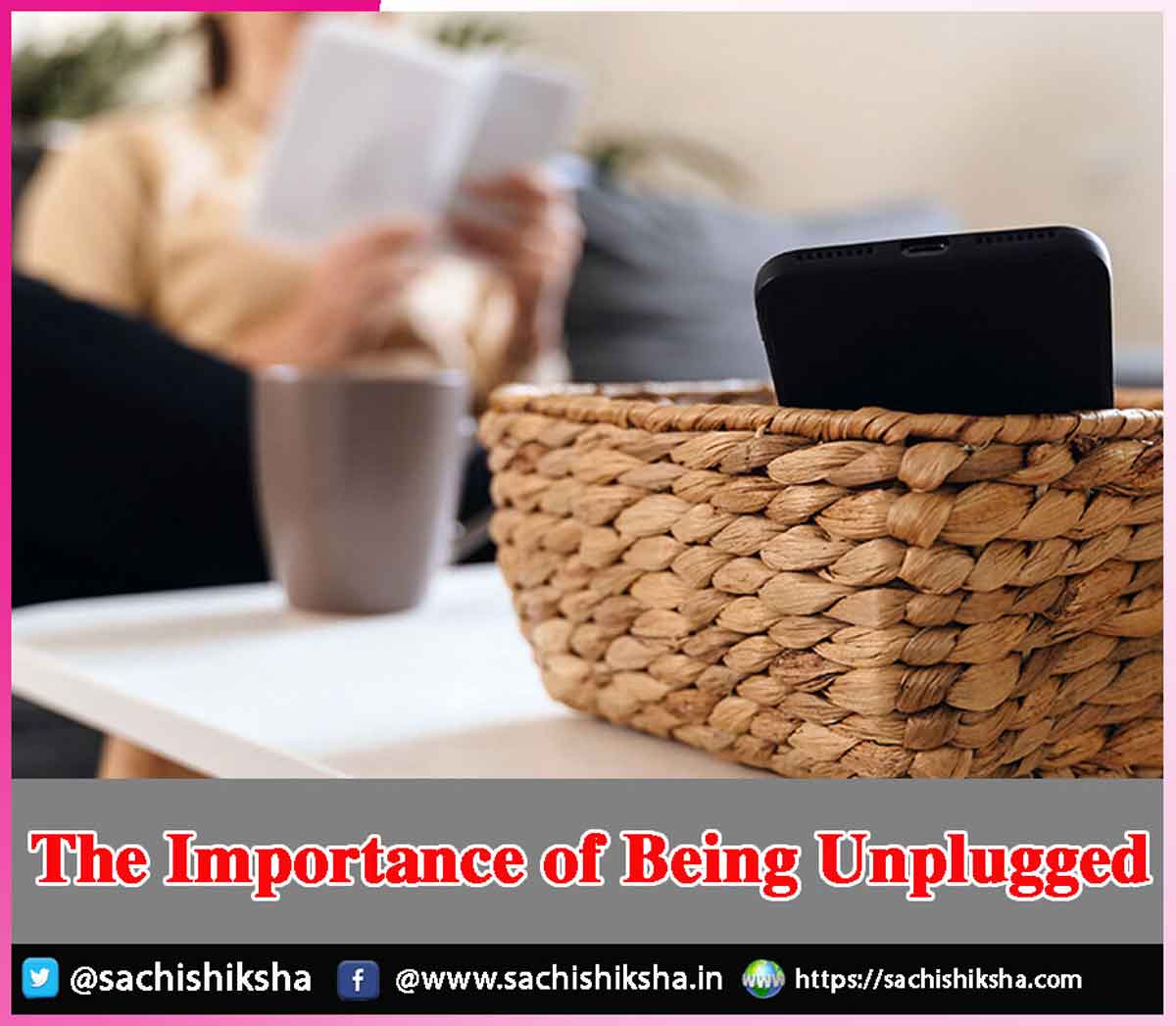
The Importance of Being Unplugged
Table of Contents
The Need to Pause
We all have this constant need to keep consuming something, which, in turn, is consuming us. We keep watching, listening, scrolling, replying, and doing things just to feel somehow productive. Yet, sometimes, stillness is necessary. The world is hectic, and everyone is busy with something. People cancel plans and keep putting road trips on hold because there is always more work to do.
Productivity or Exhaustion?
But are we truly being productive, or are we simply draining ourselves? What we need is a breather: to go outside, touch some grass, turn off the screen, put away the headphones, meditate, or simply take a few deep breaths. Just as our electronic devices need to be recharged, we also need time to recharge ourselves. Humans cannot thrive on caffeine and deadlines forever; unplugging, even for a little while, is often the reset we need.
The Pressure of Being Always Online
Nowadays, it is common to see hashtags such as #OnHiatus or posts announcing, “Guys, I’ll be off social media for a bit.” It is as though people feel obliged to inform everyone that they are unplugging and stepping away from constant connectivity. That alone shows why unplugging needs to be normalised—to step away from the pressure of being constantly online.
The Cost of Constant Connectivity
Emails, messages, headphones, and endless online meetings keep adults constantly connected to work. There are consequences to this endless cycle of connectivity. Distracted driving, shorter attention spans, anxiety, insomnia, and increasing mental exhaustion affect both children and adults. It raises an uncomfortable question: Is this always-connected culture consuming us after all? If we never choose to unplug, we risk burnout, information overload, and even mental exhaustion.
What Research Says
Research supports these concerns. Excessive screen time can harm concentration and sleep, reduce creativity and motivation, and negatively affect overall health. Mental health experts suggest that digital detoxes can improve psychological well-being. For example, Hosseini and Camacho (2023) reported that students who participated in Tecnológico de Monterrey’s Unplugged Day initiative benefited from physical, creative, and reflective activities that enhanced their emotional well-being.
Sayyidath and Menon (2025) found that participants were initially uncomfortable with a digital detox, but many later reported improved mood, healthier routines, and a better sense of balance. Likewise, Donna Freitas, in The Happiness Effect, explains how social media pressures people to present perfect, happy lives, encouraging unhealthy comparison. Hence, unplugging is not laziness; it is a form of recovery. Taking time to disconnect, recharge, gain mental clarity, and step away from the pressure of being constantly online has been linked to greater productivity, mindfulness, and creativity.
The Growing Unplugging Movement
The need to disconnect has become so urgent that entire movements now encourage it. Global Day of Unplugging, observed on the first weekend of March each year, invites people to step away from technology for anywhere between one hour and twenty-four hours and reconnect through real-life experiences. The existence of such initiatives highlights both our dependence on digital devices and the growing importance of unplugging in the modern world.
Conclusion
Ultimately, being unplugged does not mean rejecting technology; it means creating a healthy balance. When we disconnect from the glowing screens before us, we reconnect with ourselves, our thoughts, our relationships, and the world around us. In a culture obsessed with doing more and staying online, perhaps the most important thing we can do is occasionally take a break, breathe, unplug, and simply be.