






















Rural Needs Before Monsoon
Introduction: The arrival of the monsoon is a lifeline for rural India, where agriculture forms the backbone of livelihoods. For millions of farmers and villagers, the months preceding the rains are critical for preparation, planning, and safeguarding resources. Proper attention to rural needs before monsoon can significantly enhance productivity, prevent losses, and ensure the overall well-being of rural communities.
Table of Contents
Agricultural Preparedness
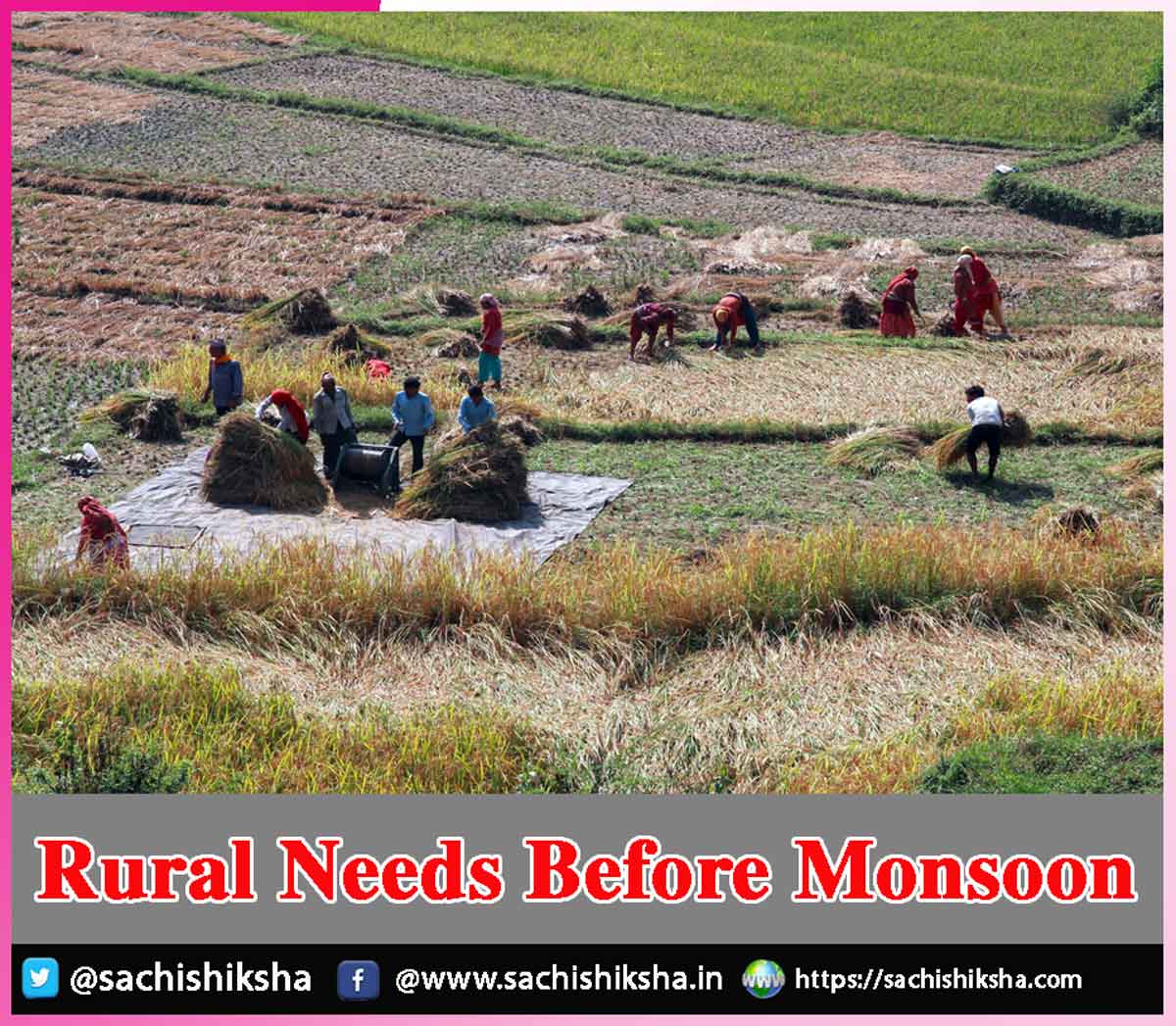
The foremost concern for rural areas before the monsoon is agriculture. Farmers need timely access to quality seeds, fertilizers, and pesticides to prepare for the sowing season. Early procurement of these inputs ensures that sowing is not delayed, which can affect crop yield. In addition, farmers require guidance on modern farming techniques and crop selection that are suitable for the upcoming season’s rainfall patterns. Proper irrigation planning is another essential aspect. While many rural areas rely on rainfall, supplementary irrigation systems such as check dams, tube wells, and water tanks must be ready.
Infrastructure and Road Connectivity
Monsoon often tests the resilience of rural infrastructure. Roads, bridges, and pathways connecting villages to markets and healthcare centers need maintenance before the rains begin. Poor connectivity can isolate communities, making it difficult to access essential goods, transport crops, or reach medical assistance during emergencies. Pre-monsoon repairs of roads and drainage systems can significantly reduce disruptions and improve rural mobility during the wet season.
Health and Sanitation
Health care is a pressing need in rural areas before monsoon. The onset of rains increases the risk of waterborne diseases such as cholera, dysentery, and malaria. Villages require clean drinking water, mosquito control measures, and proper sanitation facilities to prevent outbreaks. Health camps, vaccination drives, and awareness programs can equip communities with preventive knowledge and resources. Access to local healthcare centers with adequate medicines, especially for children and the elderly, is essential during this season.
Livelihood Security
Many rural families depend on non-agricultural sources of income, such as daily wage labour, handicrafts, and small-scale businesses. Monsoon can disrupt these activities due to flooding or transportation issues. Therefore, advance planning for livelihood security is vital. Governments and local authorities can provide temporary employment programmes, microfinance support, and storage solutions to protect both agricultural and non-agricultural income streams.
Disaster Preparedness
Rural areas are particularly vulnerable to natural calamities during monsoon, including floods and landslides. Early preparation through community awareness, emergency kits, and evacuation plans can save lives and minimize property damage. Villagers need training on disaster response, as well as access to communication tools for early warnings.
Conclusion
The period before the monsoon is not merely a waiting phase but a crucial window for preparation in rural India. From agriculture and infrastructure to health and disaster management, every aspect of rural life demands attention to ensure the community thrives during the challenging season. Holistic planning, government support, and local community involvement can transform the challenges of monsoon into opportunities for growth and sustainability. Meeting these pre-monsoon needs not only safeguards livelihoods but also strengthens the social and economic fabric of rural areas, enabling them to face the season with resilience and confidence.