






















Green Living, Small Steps
Introduction: Green living is often imagined as a major lifestyle overhaul—solar panels on rooftops, zero-waste homes, or dramatic changes in daily habits. While these are valuable efforts, sustainable living does not begin with big transformations. It begins with small, consistent steps taken by individuals in their everyday lives. “Green living, small steps” is a reminder that meaningful environmental change is built through simple actions repeated over time.
Table of Contents
Understanding Green Living
At its core, green living is about being mindful of how our choices affect the environment. Every product we buy, every resource we consume, and every habit we practise leaves an environmental footprint. Small changes in these areas can collectively reduce waste, conserve resources, and protect ecosystems. Turning off unused lights, fixing leaking taps, or choosing reusable bags may seem insignificant, but when practised daily, they contribute to long-term sustainability.
Reducing Waste in Daily Life
 One of the easiest ways to start green living is by reducing waste. Simple habits such as carrying a reusable water bottle, avoiding single-use plastics, and separating waste for recycling can significantly lower the amount of rubbish that ends up in landfills. Composting kitchen waste, even on a small scale, turns organic waste into a valuable resource instead of an environmental burden. These steps not only help the planet but also encourage more conscious consumption.
Conserving Energy for a Sustainable Future
Energy conservation is another area where small actions make a big difference. Switching off appliances when not in use, using energy-efficient bulbs, and relying on natural light during the day are easy habits that reduce energy consumption. Over time, these practices lower carbon emissions and reduce household energy costs. Choosing to walk, cycle, carpool, or use public transport whenever possible further supports a greener lifestyle by cutting down fuel use and air pollution.
Saving Water Through Simple Habits
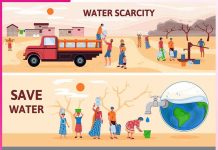
Water conservation is equally important in green living. Small steps such as turning off the tap while brushing, using water-efficient fixtures, and reusing water for plants help preserve this precious resource. Being mindful of water use not only protects the environment but also builds awareness of how limited natural resources truly are.
Sustainable Food Choices
Green living also extends to the food we eat. Choosing locally grown and seasonal foods reduces the environmental impact of transportation and storage. Reducing food waste by planning meals, storing food properly, and using leftovers creatively is another powerful yet simple habit. Even incorporating more plant-based meals into one’s diet can lower carbon emissions and promote sustainable agriculture.
Inspiring Others Through Action
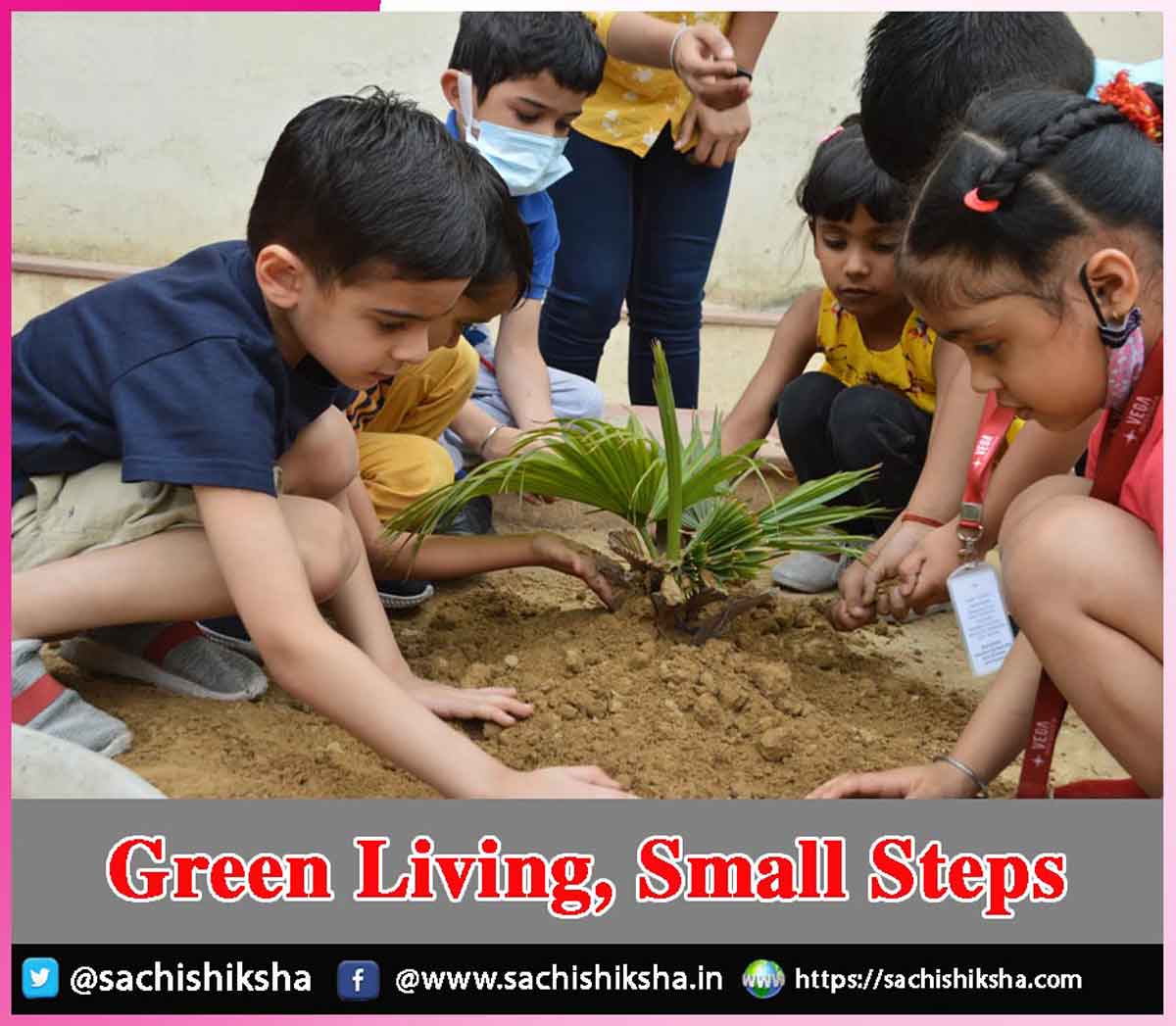
Beyond daily habits, green living is also about influencing attitudes and communities. When individuals practise eco-friendly habits, they inspire others to do the same. Small actions can spark conversations, build awareness, and gradually shape a culture of sustainability. Schools, workplaces, and neighbourhoods can adopt simple green practices that collectively lead to larger environmental benefits.
The Importance of Individual Effort
Perhaps the most important message of green living through small steps is that sustainability is achievable. Many people feel overwhelmed by global environmental issues and believe their individual actions do not matter. In reality, large-scale change is the result of millions of small choices made consistently. When people understand that every effort counts, they are more likely to take responsibility and remain committed.
Conclusion
In conclusion, green living does not require perfection or drastic change. It begins with awareness, intention, and small, manageable steps. By reducing waste, conserving energy and water, making thoughtful food choices, and encouraging others through example, individuals can contribute meaningfully to environmental protection. Green living, practised one small step at a time, has the power to create a healthier planet for present and future generations.