





















Why We Collect Things
Introduction: From childhood, many of us develop the habit of collecting things. It may begin with something as simple as colourful stickers, coins, shells, stamps, or small toys. As we grow older, our collections may change into books, photographs, watches, artwork, souvenirs, or even digital items. While some collections appear practical and others seem completely unnecessary, the desire to collect is a fascinating part of human behaviour.
Table of Contents
Memory
One of the main reasons we collect things is memory. Objects can act as reminders of people, places, and experiences. A ticket from a concert may remind someone of an unforgettable evening. A souvenir from a trip can bring back memories of a particular city or a special journey. Even an ordinary object, such as an old letter or childhood toy, can become valuable because of the emotions attached to it. In this sense, collecting allows us to preserve pieces of our personal history.
Personal Interest
Another reason is personal interest. People naturally enjoy learning about subjects that fascinate them. Someone interested in history may collect coins or antiques, while a music lover may collect vinyl records or concert memorabilia.
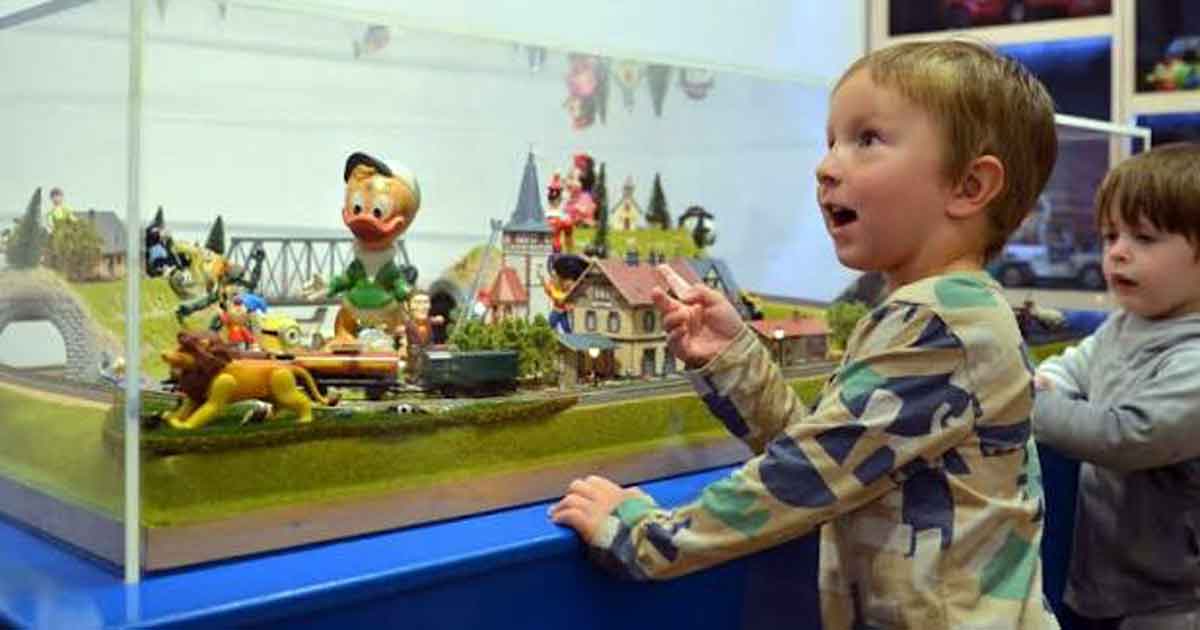 Collecting gives people an opportunity to explore their interests more deeply. The process is not always about owning more objects; it can also involve researching their origins, understanding their differences, and discovering stories connected to them.
Sense of Achievement
Collecting can also provide a sense of achievement. Completing a collection can feel like reaching a goal. A person collecting stamps, for example, may spend years searching for a particular rare stamp. Finding it can create a strong sense of satisfaction. Even when a collection is never fully complete, every new addition can feel like progress. This makes collecting similar to solving a long-term puzzle.
Control and Organization
There is also a strong element of control and organization. Everyday life can often feel unpredictable, but a collection is something we can organize according to our own preferences. We can arrange books by author, coins by country, or photographs by year. Creating order among objects can provide a sense of calm and accomplishment. For some people, the process of arranging and maintaining a collection can be just as enjoyable as acquiring new items.
Expressing Identity
Collections can also become a way of expressing identity. The things we choose to keep often say something about who we are and what we value. A shelf filled with novels may reflect someone’s love for literature. A collection of travel souvenirs may represent a passion for exploration. Displaying these objects allows people to communicate their interests without having to explain them directly.
Social Connections
Social connections are another important part of collecting. Many collectors belong to communities where they exchange information, discuss rare items, and share experiences. Stamp collectors, for instance, may trade stamps with people they have never met before. Online communities have made it even easier for collectors with similar interests to connect across different countries. A private hobby can therefore become a source of friendship and belonging.
Digital Collections
Modern technology has also changed what it means to collect. People no longer collect only physical objects. Digital photographs, music playlists, virtual items, trading cards, and even online content can become collections. The physical space required may be smaller, but the emotional attachment can still be significant.
The Risks of Excessive Collecting
However, collecting can sometimes become excessive. When the desire to acquire objects becomes difficult to control, collections may create financial pressure or take up too much physical and mental space. This highlights an important distinction between collecting with purpose and collecting simply for accumulation. A meaningful collection does not necessarily need to be large. Its value often comes from the connection between the collector and the objects.
Conclusion
Ultimately, we collect things because objects can represent much more than their physical form. They can hold memories, reflect our interests, mark our achievements, and connect us with other people. A collection is often a personal story told through objects. Whether it occupies an entire room or fits inside a small box, what we collect can reveal something about where we have been, what we love, and what we want to remember.