























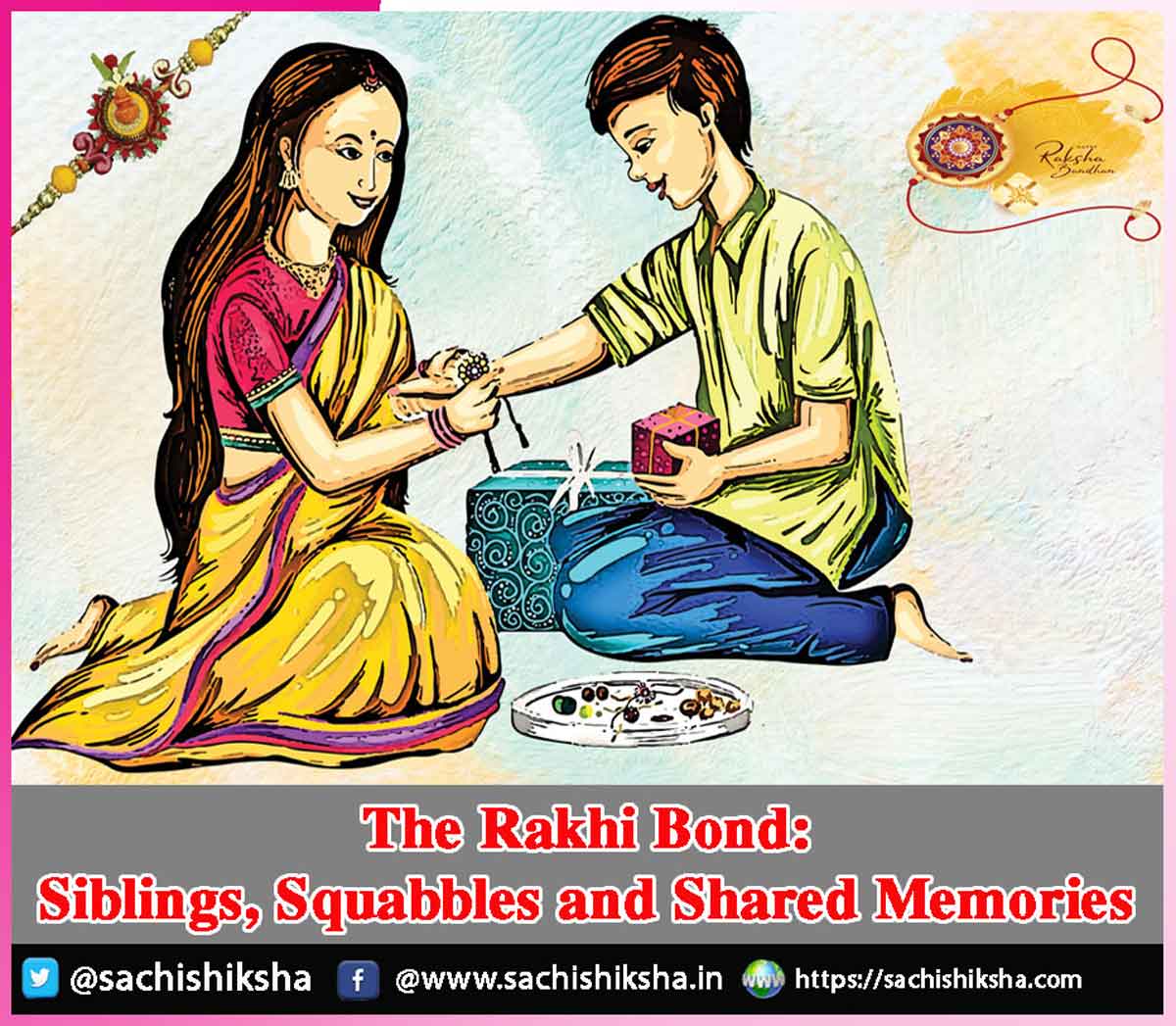
The Rakhi Bond: Siblings, Squabbles and Shared Memories
Rakhi, the string that symbolises the beautiful bond between siblings and the duty to protect, is much more than a colourful thread adorned with flowers and beads, tied around a wrist. It is a reminder that somewhere in this world, there is someone who has known you since you were a tiny, irritating, silly human being and still loves you.
Raksha Bandhan in India is celebrated on the full moon of the Hindu month of Shravana. It follows a simple ritual. A sister ties a Rakhi, often after a tilak and prayer, and siblings exchange sweets and gifts. Traditionally, the brother promises protection.
Today, that promise can mean something wider:
siblings protect, support, fight, defend and listen to each other. Rakhi may also be exchanged between cousins, friends and people who have become ‘found family’.
Its stories are just as beautiful. One popular tradition speaks of Draupadi caring for Krishna when He was injured; Krishna, in return, is remembered as promising to protect her. A story from the Bhavishya Purana tells of Sachi tying a protective thread for Indra before battle. Yama and Yamuna are also remembered in a story of sibling affection.
These traditional legends carry the heart of the festival:
the importance of caring for someone and standing by them.
The magic of sibling relationships is also found in ordinary life:
fighting over the remote, stealing food, annoying each other for no reason, sharing secrets and laughing five minutes later. Siblings can be our first competitors and our first friends. They know our embarrassing stories, weird habits and worst moods, and still somehow, they end up staying.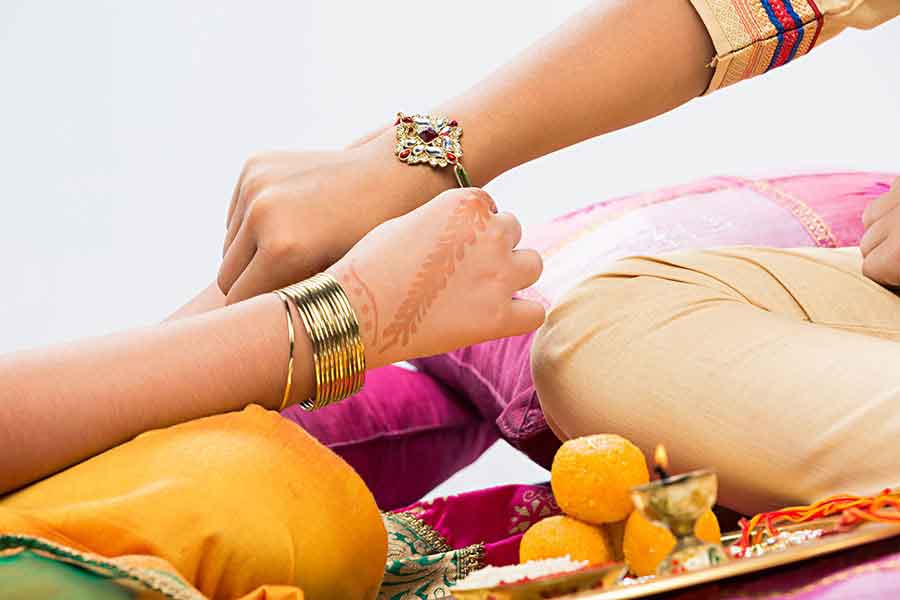
In the Indian state of Maharashtra, Raksha Bandhan coincides with Narali Purnima, or the Coconut Festival, when coastal communities offer coconuts to the sea. But Rakhi has travelled beyond India too. In Nepal, it is linked with Janai Purnima, a festival that includes the tradition of sacred and protective threads.
In Mauritius and Kenya, Indian communities celebrate Rakhi with rituals such as aarti, followed by tying the Rakhi and praying for the well-being of their brothers. Across the Indian diaspora, families keep the tradition alive through gatherings, sweets, gifts and mailed Rakhis. Technology also helps bridge the distance between families, allowing them to stay connected through video calls, instant messages and virtual celebrations.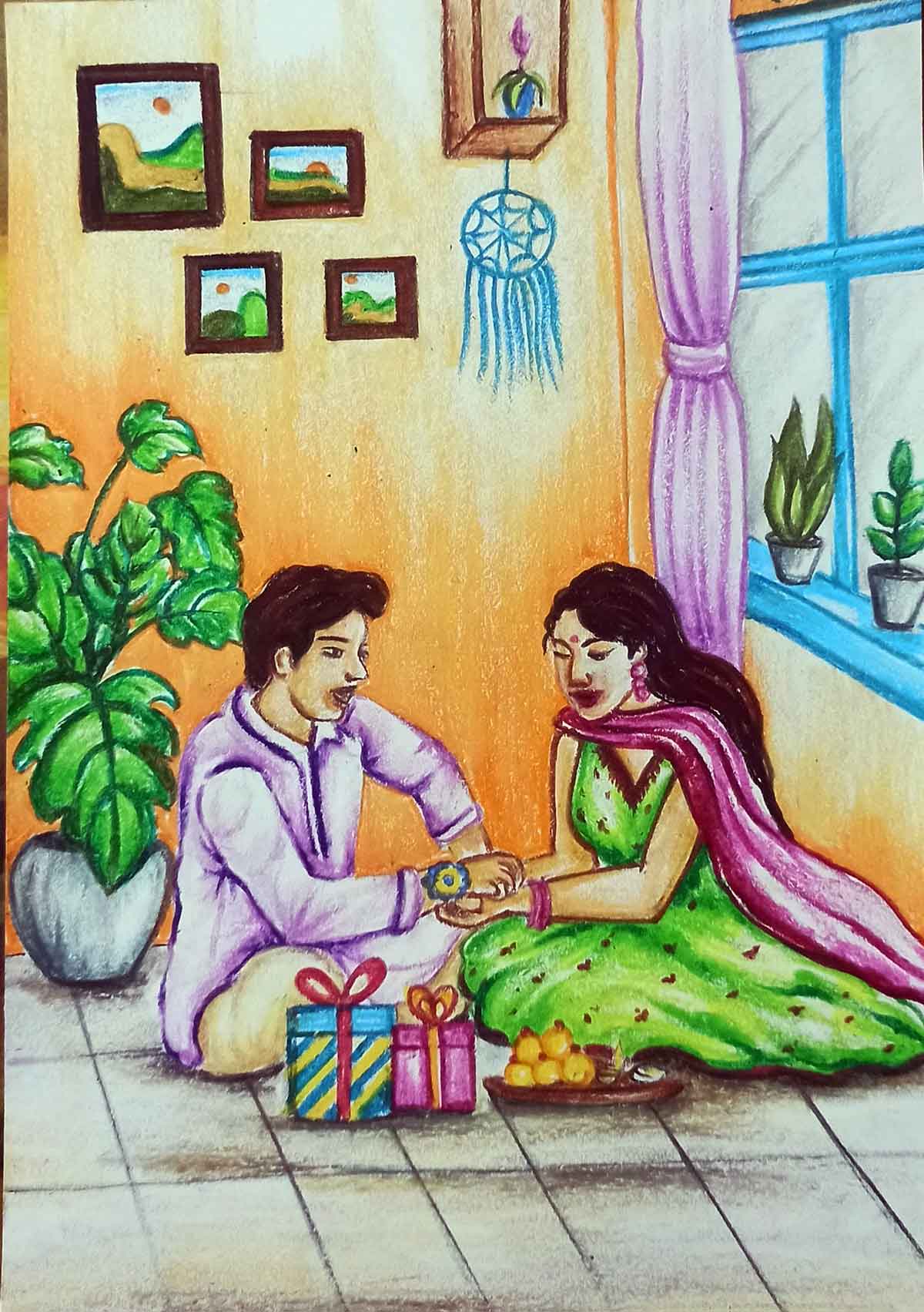
The customs may change from one place to another,
but the feeling remains the same: even when siblings live oceans apart, a little thread can still make them feel close. The idea of celebrating sibling bonds is not uniquely Indian. The United States and Canada observe National Siblings Day on April 10, while South Korea’s Chuseok, though focused on family and ancestors, is also a time when families and siblings reunite. These celebrations differ from Raksha Bandhan,
but they point to something universal:
sibling bonds truly matter. Even Cadbury’s #ThisTakraarIsSweet campaign celebrates the playful arguments, teasing and everyday chaos that make sibling relationships so recognisable. It reminds us that love between siblings does not always look serious; sometimes, it looks like a prank, a joke or stealing the last chocolate or kaju katli.
Perhaps that is Rakhi’s real magic. The thread may last for a day, the sweets may disappear in minutes and the gifts may eventually be forgotten, but memories remain.
Beneath every Rakhi is a promise:
“We’ll always have each other’s back.” And after all the fights, rivalries, laughter and years of growing up together, that may be the sweetest tradition of all.