























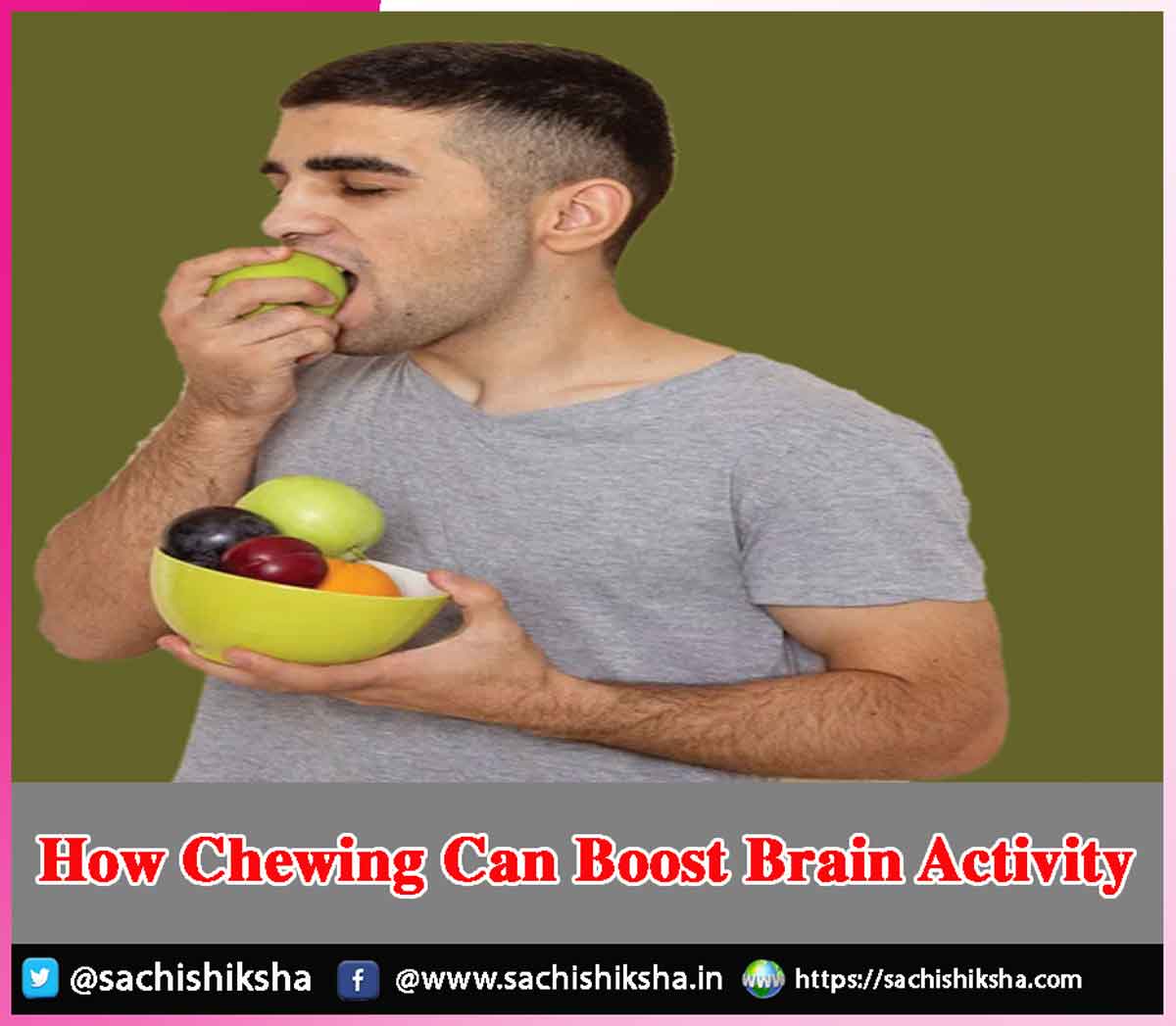
How Chewing Can Boost Brain Activity
Introduction: Food items that require more effort to chew can increase brain activity. This has been observed in neurological and nutritional research. Eating healthy foods is essential for maintaining energy and overall health, as the food we eat affects our well-being. According to research published in the International Dental Journal, the effort involved in chewing food may also help activate the brain. It activates parts of the brain involved in thinking, remembering, and learning new things. However, more detailed research on this topic is still needed.
Research has found that chewing hard foods can activate the frontal lobe of the brain, which is involved in attention and concentration. It may also increase activity in the caudate nucleus, which is associated with memory. This process may improve mental performance and thinking ability by increasing neuronal activity.
Table of Contents
Eat These Foods to Boost Brain Power
Instead of juices and smoothies, opt for whole fruits and vegetables such as raw carrots, apples, guavas, and cucumbers. Include almonds, walnuts, and roasted chickpeas as healthy snacks. According to Harvard Health, omega-3-rich foods, green vegetables such as spinach and broccoli, and beverages such as tea and coffee may help support memory and brain function.
Benefits for Gut Health
Chewing food thoroughly improves digestion and helps the body absorb nutrients more effectively. It may also reduce digestive problems such as gas, bloating, and constipation. Furthermore, proper digestion can support the healthy functioning of beneficial gut bacteria, thereby promoting better gut health.
Improvement in Blood Circulation
When you chew hard foods such as nuts, raw carrots, or apples, your jaw muscles work harder. This may increase blood flow to the brain, providing oxygen and nutrients to brain cells.
Activation of Nerves
Chewing is a complex neurological process. When you chew, sensory receptors in your teeth and jaw send signals through nerves to parts of the brain involved in memory, attention, and learning.
Stress Relief
Research has found that chewing may help reduce stress and support brain function. Some studies suggest that chewing can influence levels of certain substances involved in the body’s stress response and antioxidant activity. However, more research is needed to establish these effects conclusively.