























The Biases That Shape Our World
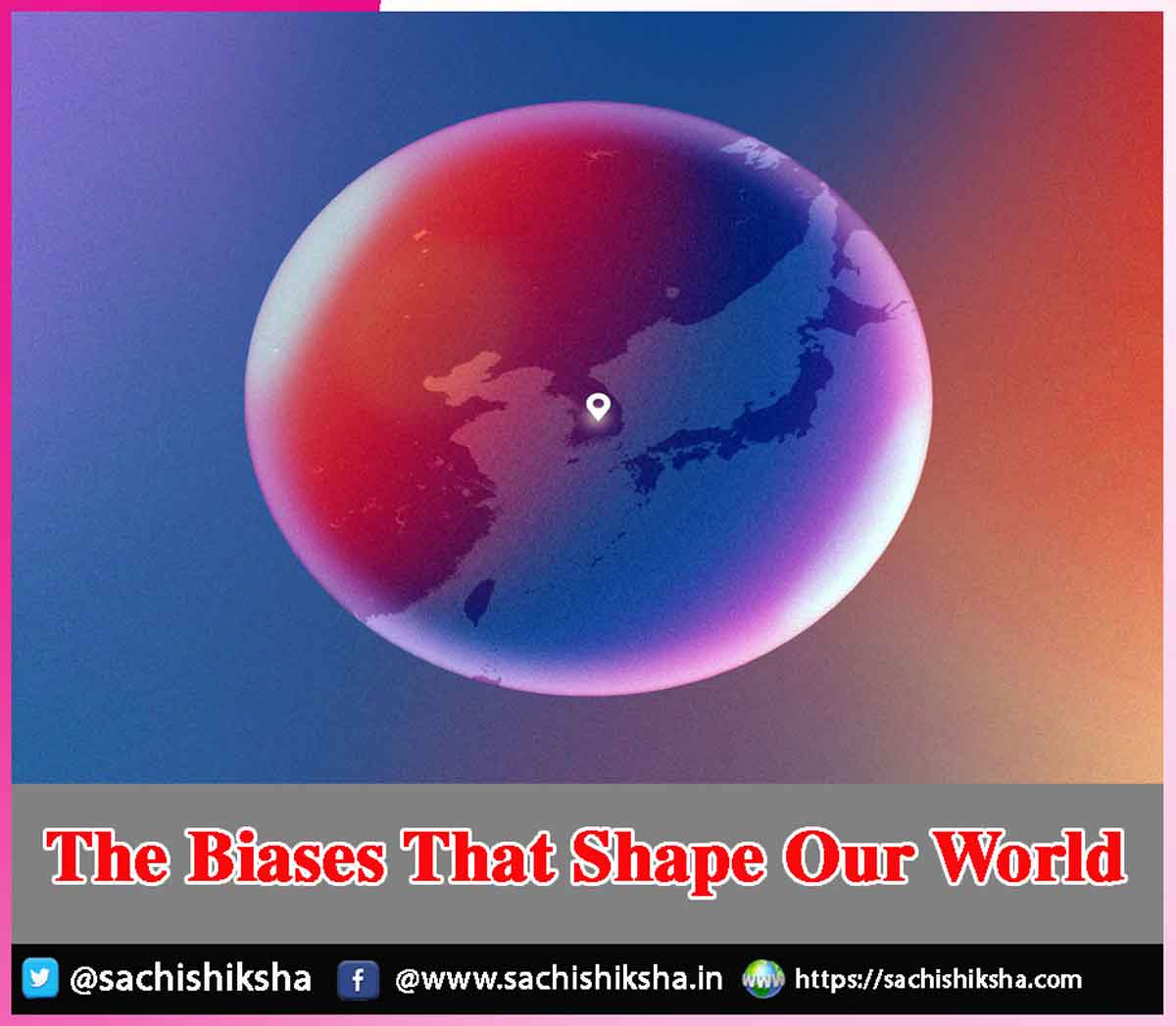
Introduction : Bias is a natural part of being human. We like to believe that we see the world objectively and make decisions based only on facts, but our thoughts and choices are often influenced by hidden assumptions, past experiences, emotions, and social surroundings. These influences are known as biases. They shape how we understand people, interpret information, make decisions, and even define what we consider to be true or important.
Table of Contents
Confirmation Bias
One common form of bias is confirmation bias. It causes people to look for information that supports what they already believe while ignoring evidence that challenges their opinions. For example, someone who believes that social media is harmful may notice stories about its negative effects but overlook research showing its benefits. In this way, people can become increasingly confident in their opinions without considering the full picture.
Stereotyping and Social Judgments
Another powerful influence is stereotyping. People often make assumptions about others based on their gender, age, appearance, occupation, language, or background. Stereotypes can sometimes help the brain process information quickly, but they can also lead to unfair judgments. A person may be judged as intelligent, dishonest, hardworking, or irresponsible simply because they belong to a particular group. Such judgments can affect education, employment, relationships, and opportunities.
The Role of Media in Shaping Bias
The media can also influence our biases. News organizations, social media platforms, and online communities decide which stories receive attention and how those stories are presented. When people repeatedly encounter similar opinions or sensational content, they may begin to believe that those views represent reality as a whole. Algorithms can make this effect stronger by showing users content similar to what they have previously liked or watched. This can create echo chambers, where people rarely encounter perspectives different from their own.
Availability Bias and Everyday Decisions
Our biases also affect everyday decisions. Availability bias, for instance, makes people judge how common or likely something is based on how easily examples come to mind. If someone frequently sees news reports about airplane accidents, they may believe flying is extremely dangerous, even though air travel is statistically very safe. Similarly, a person who has recently met an unfriendly stranger from a particular city may unfairly develop a negative impression of everyone from that place.
Why Bias Persists
Bias is not always harmful. The human brain must simplify enormous amounts of information in order to function efficiently. However, problems arise when these unconscious shortcuts lead to unfair or inaccurate conclusions. Recognizing this does not mean eliminating bias completely; rather, it means learning to question our first impressions and examine the evidence behind our beliefs.
Conclusion
Biases are invisible forces that influence both individuals and society. They shape our opinions, relationships, decisions, and understanding of the world. Although we cannot remove every bias from our minds, we can become more aware of them. By questioning assumptions, seeking reliable information, and remaining open to different perspectives, we can make fairer and wiser decisions. Understanding our biases is therefore not simply an exercise in self-awareness; it is an important step toward creating a more thoughtful, informed, and inclusive world.