
























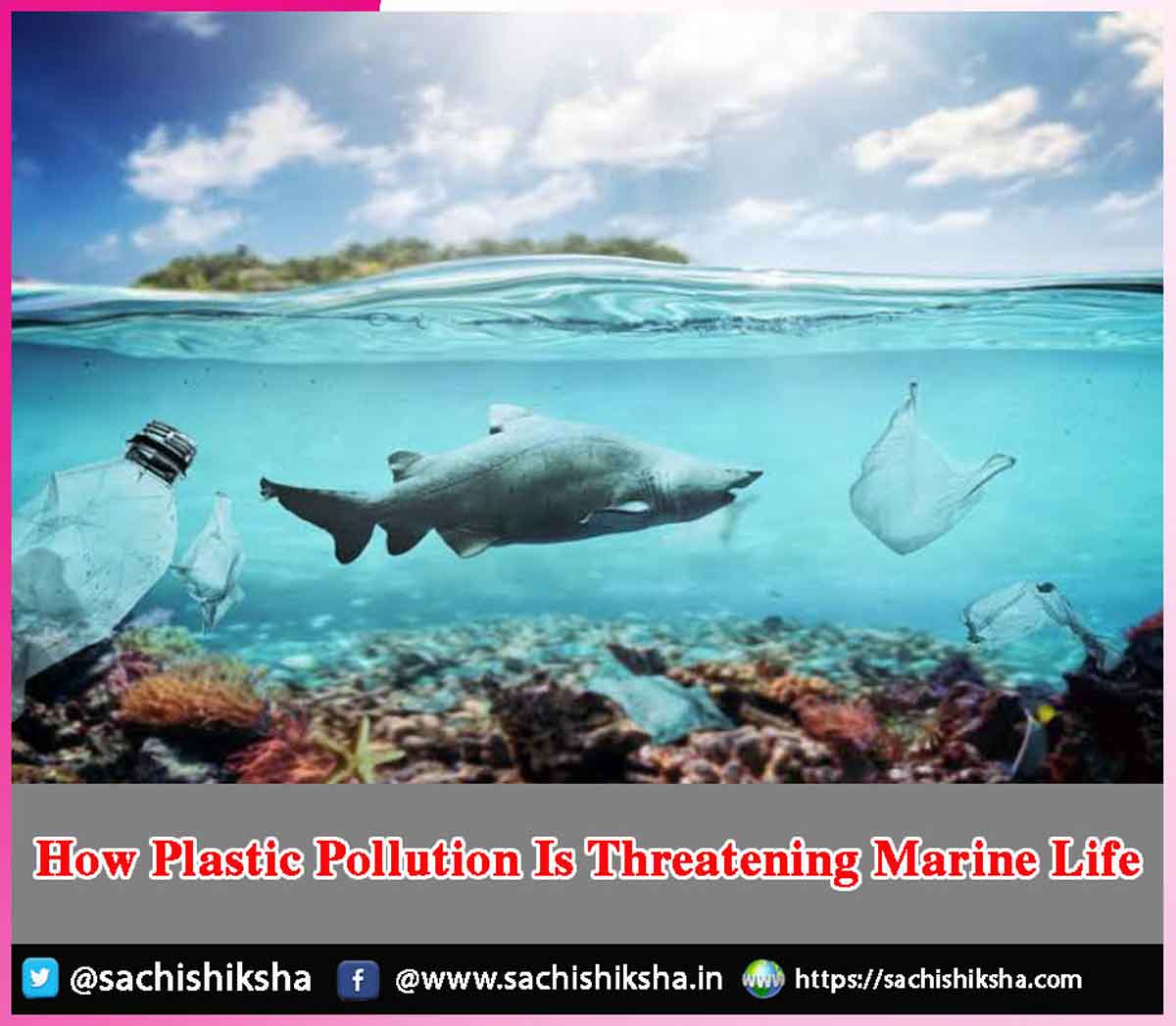
How Plastic Pollution Is Threatening Marine Life
Introduction: Oceans cover more than 70% of the Earth’s surface and support an extraordinary variety of marine life. From tiny plankton to giant whales, countless species depend on healthy oceans for survival. However, increasing plastic pollution is threatening these delicate ecosystems. Plastic waste, which was once considered a convenient material for everyday use, has become one of the most serious environmental challenges of our time. Discarded bottles, fishing nets, food wrappers and other plastic materials are finding their way into rivers, seas and oceans, putting marine animals and their habitats at risk.
Table of Contents
How Plastic Reaches the Oceans
Plastic pollution in marine environments largely originates from human activities on land and at sea. Improper waste disposal, littering, industrial discharge and inadequate waste management allow plastic materials to enter rivers and eventually reach the oceans.
Single-use plastics such as shopping bags, packaging materials, straws and disposable containers contribute significantly to the problem. Fishing activities also add to marine pollution through abandoned fishing nets, ropes and other equipment.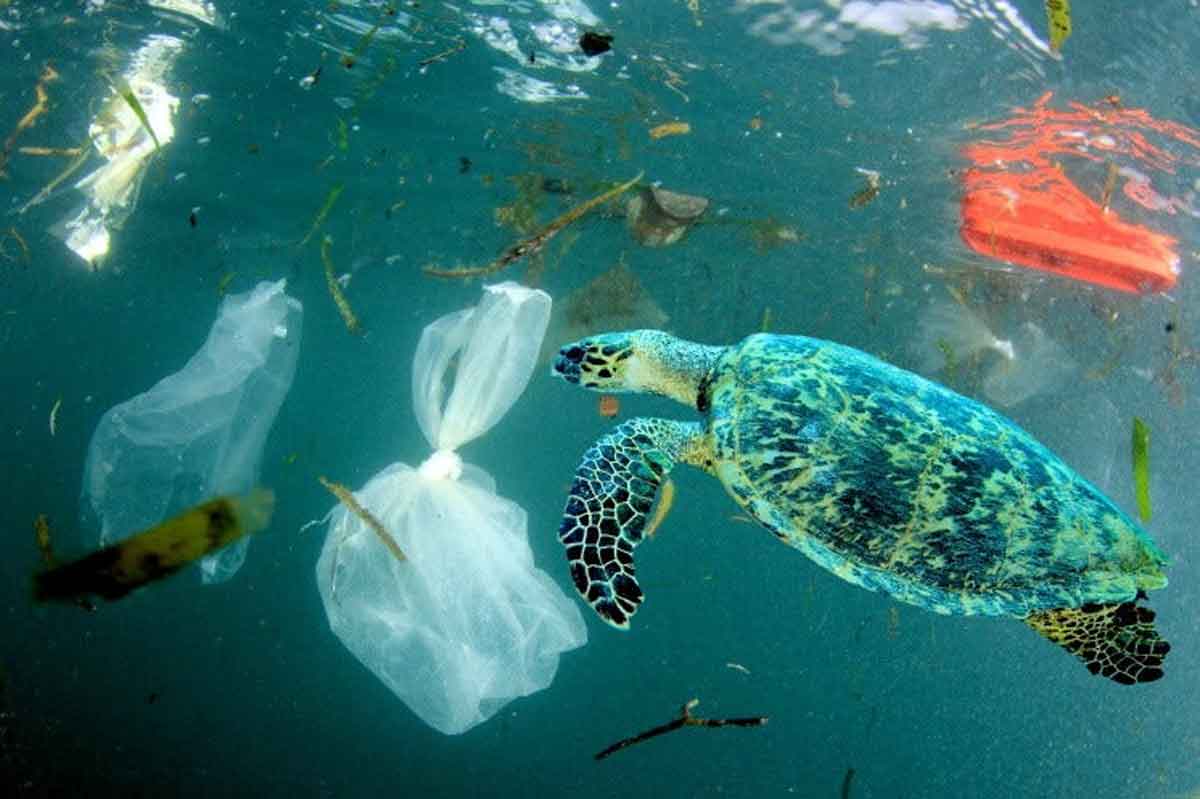
Unlike organic materials, most conventional plastics do not decompose naturally within a short period. Instead, they remain in the environment for decades or even centuries, gradually breaking into smaller particles and spreading throughout marine ecosystems.
Threat to Marine Animals
One of the most visible consequences of plastic pollution is its direct impact on marine animals. Sea turtles, dolphins, whales, seabirds and fish often mistake floating plastic waste for food.
For instance, sea turtles may confuse plastic bags with jellyfish, one of their natural food sources. When swallowed, plastic can block their digestive systems, cause internal injuries and create a false feeling of fullness, leading to starvation.
Marine animals can also become trapped in discarded fishing nets, plastic rings and packaging materials. Such entanglement can restrict movement, cause injuries and make it difficult for animals to swim, feed or escape predators. In severe cases, it can lead to drowning or death.
The Hidden Danger of Microplastics
While larger plastic waste is easily visible, microplastics present a more difficult challenge. These are tiny plastic particles, generally smaller than five millimetres, formed when larger plastic materials break down or released directly through certain industrial and consumer products.
Microplastics are increasingly found in seawater, marine sediments and the bodies of aquatic organisms. Small marine creatures may accidentally consume these particles while feeding. As they move through the food chain, microplastics can reach larger fish and other marine animals.
Scientists are continuing to study the long-term ecological and health effects of microplastic exposure. However, their widespread presence has already raised serious concerns about the quality of marine ecosystems and the safety of seafood.
Damage to Marine Habitats
Plastic pollution does not affect marine animals alone; it also damages the habitats they depend on. Plastic waste can accumulate around coral reefs, seagrass beds and coastal ecosystems.
Coral reefs, which provide shelter and breeding grounds for numerous marine species, are particularly vulnerable. Plastic materials can physically damage coral structures and contribute to conditions that increase the risk of disease.
Similarly, plastic waste accumulating along coastlines and mangrove forests can interfere with natural ecosystems and threaten species that depend on these habitats for food and protection.
Impact on Humans and the Economy
The consequences of marine plastic pollution extend beyond the ocean. Fishing communities may experience declining catches and damaged fishing equipment, affecting their livelihoods. Coastal tourism can also suffer when beaches become covered with plastic waste.
Furthermore, the presence of microplastics in seafood and other environmental resources has raised concerns about potential human exposure. Although research into the long-term health effects is ongoing, reducing plastic pollution is important for protecting both environmental and public health.
What Can We Do to Reduce Plastic Pollution?
Addressing marine plastic pollution requires collective action from individuals, industries and governments. Simple lifestyle changes can make a meaningful difference. People can reduce their use of single-use plastics, carry reusable shopping bags and water bottles, segregate waste and avoid littering.
Businesses should explore sustainable packaging alternatives and improve waste management practices. Governments can strengthen regulations, promote recycling infrastructure and support initiatives that prevent plastic waste from entering waterways.
Community beach clean-ups, environmental education programmes and responsible fishing practices can also contribute to protecting marine ecosystems.
Protecting Our Oceans for the Future
Plastic pollution is not merely a waste management problem; it is a serious threat to marine biodiversity and the balance of ocean ecosystems. Every discarded plastic item has the potential to travel through waterways and affect marine life.
Protecting our oceans requires more than occasional clean-up activities. It demands a long-term commitment to reducing plastic consumption, improving waste disposal and encouraging responsible environmental behaviour.
The future of marine life depends on the choices we make today. By treating oceans as valuable ecosystems rather than dumping grounds, we can help preserve their biodiversity and ensure healthier waters for generations to come.