


























Digital Addiction: Are We Becoming Slaves to Our Smartphones?
Introduction: The first thing people do after waking is reach for their phones. Before greeting family or looking outside, they check messages, headlines and social media. A quick look becomes ten minutes; ten minutes, sometimes, becomes an hour. Scrolling without purpose has become an ordinary habit among the population. The phone is no longer merely a tool to use.
Table of Contents
The Shift in Control
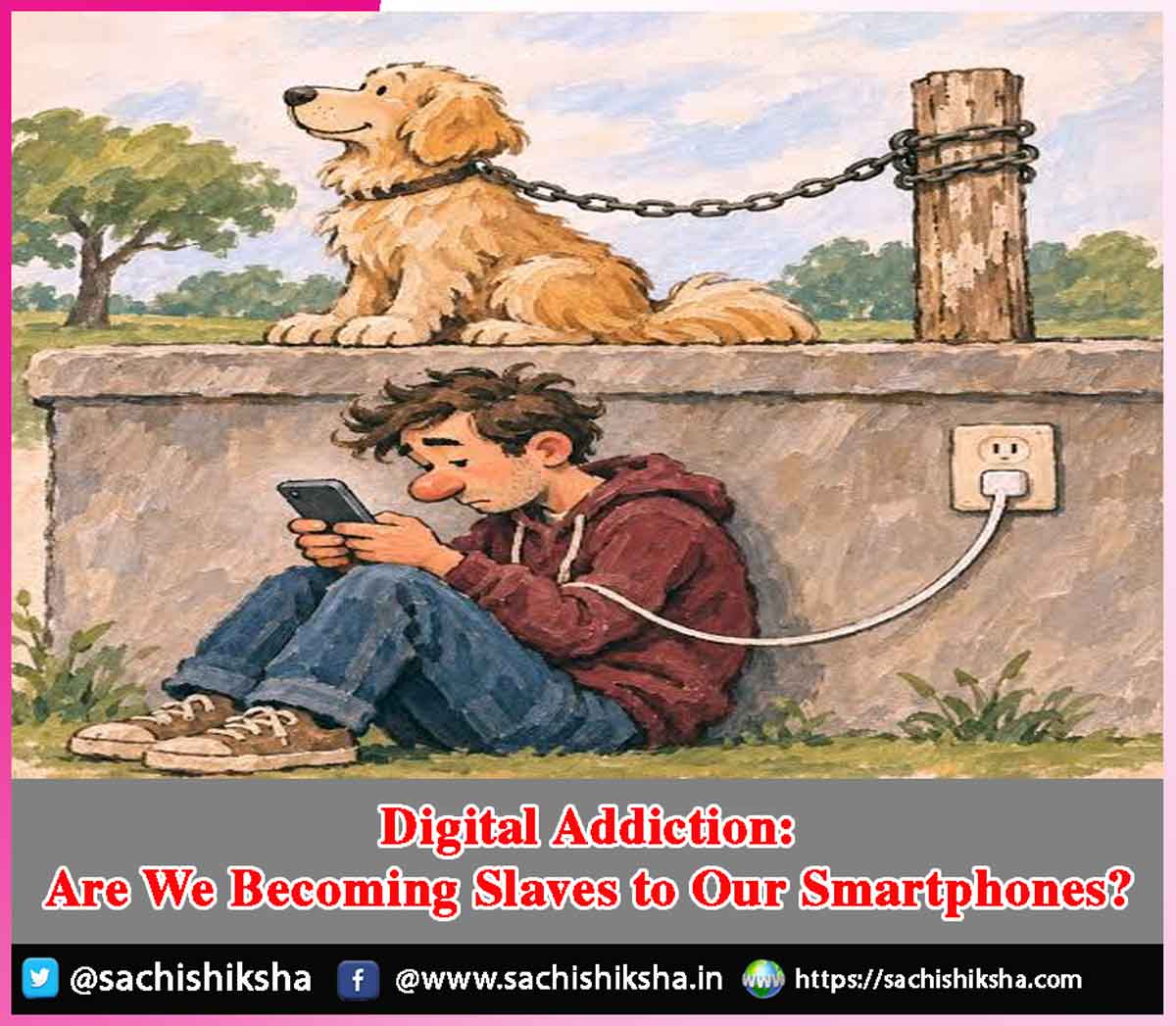
Slavery is a condition in which one person is controlled by another and denied freedom. This, in the digital era, raises a question: are people losing control over their time and attention? The evolution from wired telephones to today’s advanced smartphones has made communication easier. A device once used mainly for calls now carries news, games, shopping, work, banking and endless entertainment consumption. And it follows its user everywhere.
Understanding Nomophobia
One interesting term explains the anxiety linked to this dependence on smartphones which people are unwilling to part with: nomophobia, or the fear of being without a mobile phone. A person may feel restless when the battery dies, the network disappears or the phone is left at home. According to Johns Hopkins Medicine, signs of problematic phone use include loss of control, irritability, restlessness and difficulty concentrating when the device is unavailable.
The Psychology of Infinite Checking
Why is it even difficult to stop? Smartphones offer unpredictable rewards. A notification may bring an important message, a funny video, a compliment. Because the next reward is uncertain, users keep checking. According to Zhu and colleagues’ 2025 review in Frontiers in Psychiatry, smartphone-related rewards involve the brain’s reward system, including dopamine pathways. This explains repeated phone checking, but it does not mean every phone user is addicted. The review distinguishes smartphone dependence from drug addiction: their patterns can share features, but their causes and withdrawal effects are not the same. Unlike drug addiction, smartphone dependence is mainly psychological and behavioral.
Health and Social Impact
The effects can, however, be serious when use becomes compulsive. Late-night scrolling can disturb sleep; constant switching can weaken attention and interrupt life. Long screen use may cause eye strain and neck pain. More importantly, a person may sit with family or friends while mentally absorbed in a digital device. In an interview published by Vox, MIT sociologist Sherry Turkle warns that constant digital connection can reduce face-to-face conversation. Digital contact may keep people reachable without making them feel “connected”.
Drawing the Line on Addiction
The comparison with alcohol addiction must be made carefully. Both behaviors can become difficult to control and continue despite harm, but smartphone dependence is not medically identical to alcohol dependence. The warning sign is not just screen time; it is losing control and neglecting sleep, duties, relationships or safety.
Conclusion
Reclaiming Intention The solution is not to reject technology, which supports education, work and communication. It is to use it with intention. Turning off unnecessary notifications, setting app limits, keeping phones away during meals and before bedtime, and creating screen-free periods can help. Outdoor activity, reading and direct conversation offer alternatives for a change.
Parents, schools and workplaces should encourage balanced habits. If phone use seriously disrupts daily life, one should seek professional advice. Smartphones connect distant people, but can distance people sitting together. The question is not whether technology is good or bad. It is whether people remain in control of the tools they created. A phone should serve human life and not quietly turn humans into its slaves.