
























The Wisdom of Making Mistakes
Introduction: Mistakes are often seen as something negative, something to hide, regret, or feel ashamed of. From childhood, many of us are taught to fear getting things wrong. We are praised for being correct, successful, and perfect, while errors are treated as signs of weakness or failure. However, life teaches a very different lesson: mistakes are not merely failures; they are some of our greatest teachers. In fact, there is a certain wisdom in making mistakes because they help us grow, understand ourselves, and become stronger human beings.
Table of Contents
Mistakes as Our Greatest Teachers
No one can go through life without making mistakes. Whether it is choosing the wrong path, trusting the wrong person, speaking without thinking, or failing at a task, mistakes are a natural part of being human. They remind us that we are not perfect and that perfection itself is an unrealistic goal. More importantly, mistakes teach us lessons that success often cannot. When everything goes right, we may feel happy, but we do not always stop to reflect. Failure, on the other hand, forces us to think deeply. It makes us ask questions: What went wrong? What could I have done differently? What can I learn from this experience? These questions are the beginning of wisdom.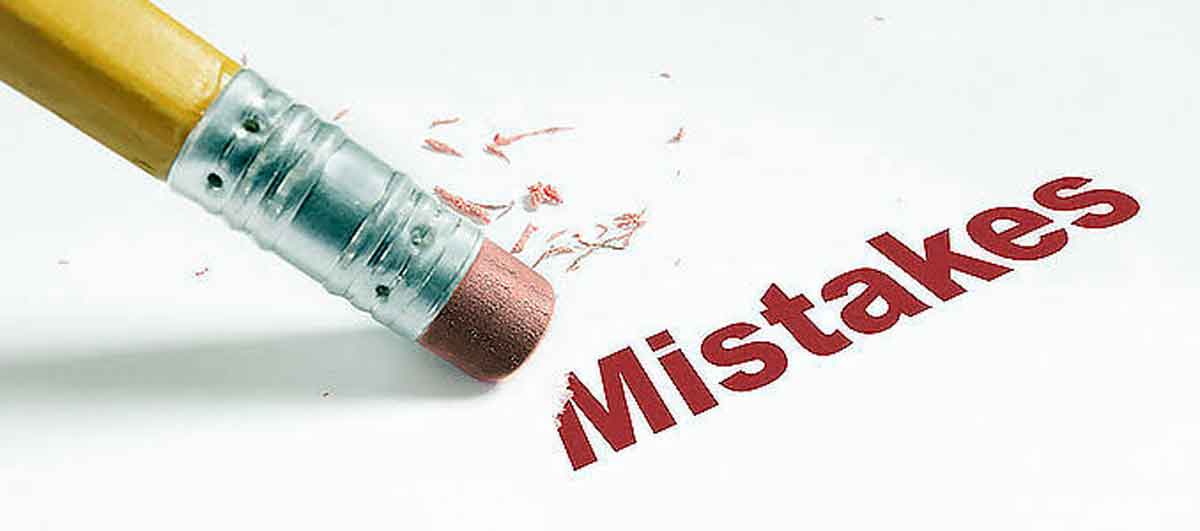
Humility Through Failure
One of the greatest values of making mistakes is that they teach humility. A person who has never failed may become overconfident, believing that they know everything. But someone who has made mistakes understands the limits of their knowledge and judgement. This awareness creates humility, and humility is a sign of wisdom. It helps a person listen more carefully, think more deeply, and treat others with empathy. When we know what it feels like to fail, we become less harsh in judging others for their own failures.
Building Resilience and Inner Strength
Mistakes also build resilience. Every time we fall and get back up, we become mentally stronger. A person who has never faced disappointment may struggle the first time life becomes difficult. But someone who has learned to recover from errors develops patience and courage. They understand that one failure does not define their future. Instead of giving up, they learn to try again with greater care and determination. In this way, mistakes do not break us; they shape us.
Learning from the Mistakes of Great People
History offers many examples of how mistakes can lead to growth and success. Great inventors, scientists, artists, and leaders have all failed many times before achieving something meaningful. Thomas Edison is often quoted as saying that he did not fail while inventing the light bulb; he simply found many ways that did not work. This attitude reflects true wisdom. Rather than seeing mistakes as dead ends, wise people treat them as steps in the learning process. Every failed attempt brings them closer to improvement.
Self-Discovery Through Errors
On a personal level, mistakes help us understand ourselves better. Sometimes we do not know our own strengths, weaknesses, values, or limits until we make a wrong decision. A mistake in friendship may teach us the value of honesty. A mistake at work may teach us responsibility and discipline. A mistake in communication may teach us the importance of kindness and patience. These lessons stay with us because they are learned through experience, not merely through advice.
Learning, Accepting, and Growing
However, the wisdom of making mistakes does not lie in repeating them carelessly. A mistake becomes valuable only when we are willing to accept it, learn from it, and change. Denying our errors or blaming others prevents growth. It takes maturity to admit, “I was wrong,” and even greater wisdom to ask, “How can I do better next time?” Reflection turns pain into learning, and learning turns mistakes into wisdom.
Mistakes Are Part of Success
In today’s world, where people often feel pressure to appear perfect, it is important to remember that mistakes are not the opposite of success; they are part of it. They teach us lessons that no classroom, book, or lecture can fully provide. They make us wiser, kinder, stronger, and more thoughtful. Instead of fearing mistakes, we should learn to face them honestly and use them as opportunities to grow.
Conclusion
In the end, wisdom does not come from never falling. It comes from rising each time we fall, carrying with us the lessons of experience. Mistakes are not proof of failure; they are proof that we are learning, living, and becoming better versions of ourselves.