






















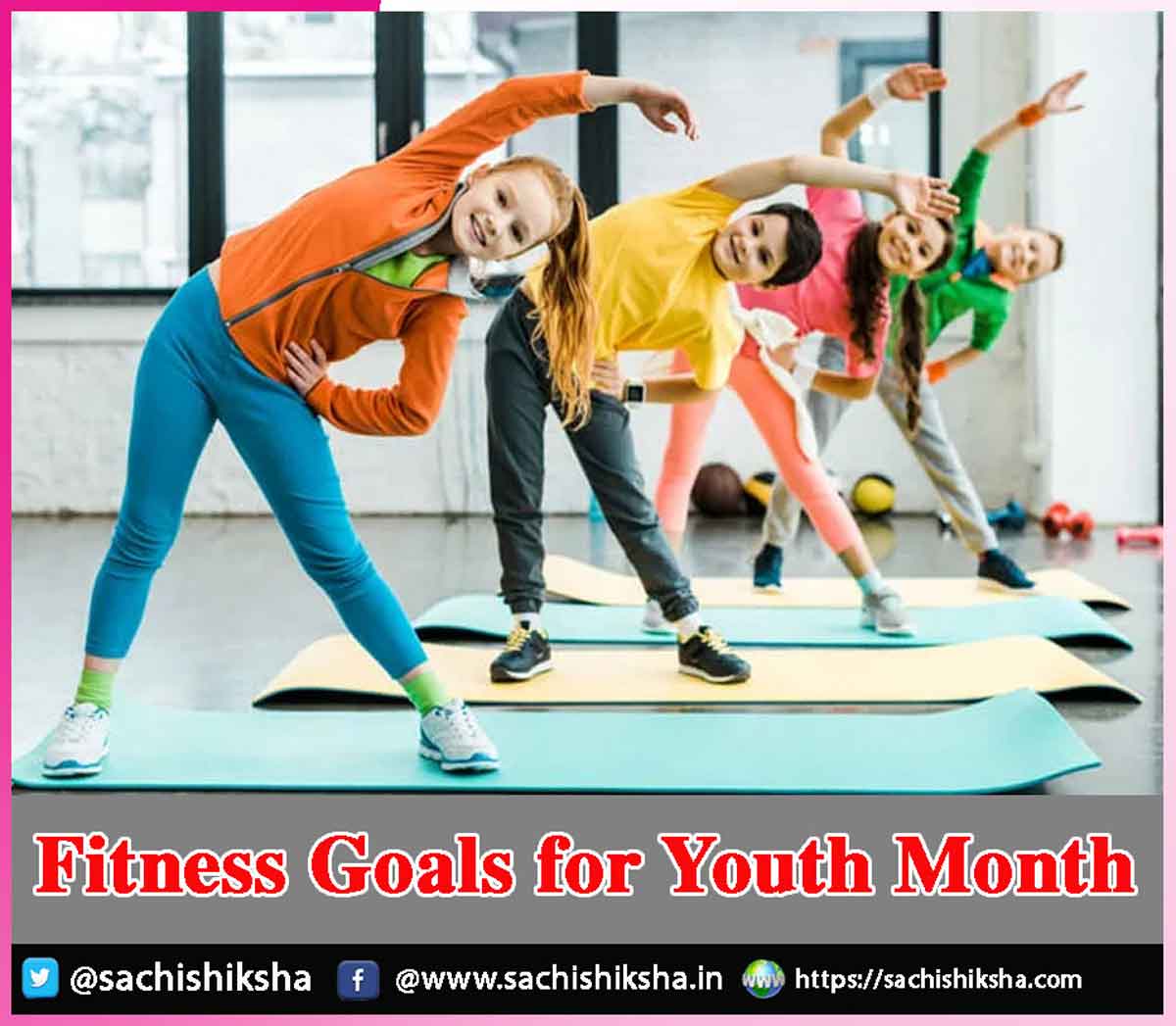
Fitness Goals for Youth Month (May)
Introduction : Youth Month is a special time dedicated to celebrating young people, their energy, potential, and aspirations. While it is an opportunity to acknowledge their achievements, it is also the perfect moment to encourage habits that promote long-term health and well-being. One of the most important areas to focus on is physical fitness.
Table of Contents
The Importance of Fitness for Youth
Physical activity is essential for the growth and development of children and adolescents. Regular exercise strengthens bones and muscles, improves cardiovascular health, enhances flexibility, and supports a healthy weight. Beyond the physical benefits, fitness also boosts mental health by reducing stress, anxiety, and symptoms of depression.
Moreover, it enhances concentration, memory, and academic performance, making it an essential aspect of a young person’s overall development.
Despite its importance, many young people today struggle with sedentary lifestyles due to increased screen time and reduced outdoor activities. Youth Month presents an excellent opportunity to reverse this trend by setting clear and achievable fitness goals.
Setting SMART Fitness Goals
To make fitness goals effective, they should be SMART: Specific, Measurable, Achievable, Relevant, and Time-bound. For example, instead of saying, “I want to exercise more,” a SMART goal would be: “I will do 30 minutes of jogging or brisk walking five days a week for the next month.”
SMART goals provide clarity and direction, helping young people track their progress and stay motivated.
Types of Fitness Goals for Youth
Cardiovascular Fitness
Goals in this area focus on improving heart and lung health. Activities such as running, swimming, cycling, and skipping rope are excellent ways for young people to boost endurance and stamina.
A simple goal could be: “I will run 2 kilometres three times a week and gradually increase to 5 kilometres by the end of the month.”
Strength Training
Strength exercises help build muscle, improve posture, and prevent injuries. Bodyweight exercises such as push-ups, squats, lunges, and planks are ideal for young people and can be performed safely at home or in a gym.
Flexibility and Balance
Stretching and balance exercises support joint health, prevent injuries, and improve coordination. Yoga and dynamic stretching routines are particularly suitable for this purpose.
Recreational and Team Activities
Fitness does not have to be a solitary activity. Participating in sports such as football, basketball, or dance not only promotes physical health but also encourages teamwork and social interaction.
A goal in this area could be: “I will participate in a weekly basketball game with friends.”
Making Fitness Fun and Sustainable
The key to achieving fitness goals is consistency, but exercise should also be enjoyable. Encouraging young people to explore different activities allows them to discover what they genuinely enjoy, turning exercise from a chore into a passion.
Rewarding progress, involving friends or family members, and tracking achievements can further reinforce positive behaviours and maintain motivation.
Conclusion
Youth Month is more than a celebration; it is a call to action. By setting and pursuing fitness goals, young people can develop healthy habits that last a lifetime. This Youth Month, let us inspire our youth to take the first step towards fitness, well-being, and a life full of energy and vitality.