























Global Trade Trends in Q2
Introduction: The second quarter of 2026 has underscored the complex dynamics shaping global trade, reflecting both resilience and emerging vulnerabilities in international commerce. As countries continue to navigate post-pandemic economic shifts, geopolitical tensions, and evolving supply chain structures, trade flows reveal nuanced patterns that are crucial for businesses, policymakers, and investors alike.
Table of Contents
Recovery in Global Trade Volume
Global trade volume in Q2 showed a modest but significant recovery compared to the first quarter, driven primarily by strong demand in Asia and North America. According to recent data from the World Trade Organization (WTO), merchandise trade expanded by approximately 3% quarter-on-quarter, indicating stabilization after the disruptions of late 2025. Asia remained the powerhouse of global trade, with China and Southeast Asian nations recording higher exports in electronics, machinery, and consumer goods.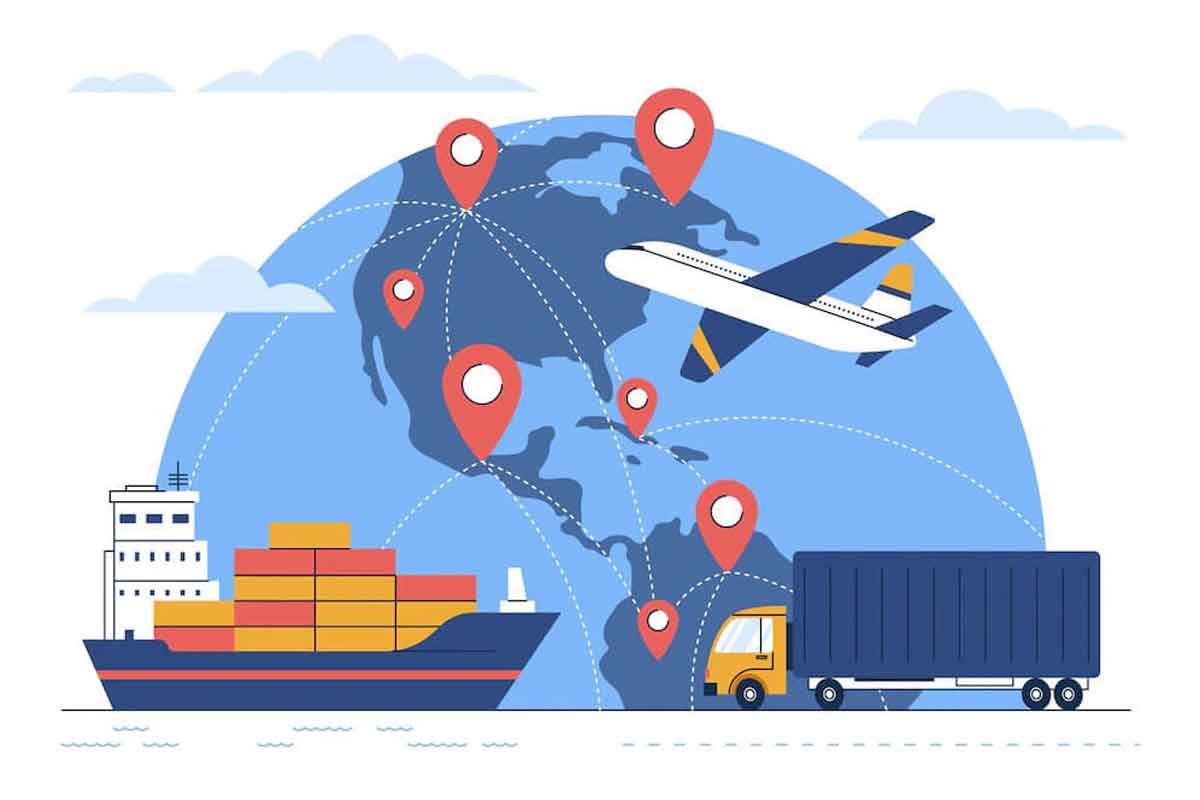
Supply Chain Resilience and Regionalisation
One of the defining trends of Q2 has been the resilience of global supply chains, despite persistent localized bottlenecks. The logistics sector benefited from easing port congestion in major hubs such as Los Angeles and Rotterdam, which had previously constrained trade flows. However, semiconductor shortages and rising freight costs continued to affect key manufacturing sectors. Companies increasingly diversified their suppliers to mitigate risks, reinforcing a gradual shift towards the regionalisation of supply chains. This trend reflects a strategic effort to balance cost efficiency with operational security, particularly in the high-tech and automotive industries.
Volatility in Energy and Agricultural Trade
Energy trade exhibited considerable volatility during Q2, driven by fluctuating oil and gas prices amid geopolitical tensions in the Middle East and Eastern Europe. Global crude oil exports increased slightly, yet prices remained highly sensitive to political developments and production decisions by major oil-producing nations.
Meanwhile, agricultural commodities experienced uneven demand. While Asia’s imports of grains and edible oils remained steady, markets in Africa and Latin America faced supply constraints due to adverse weather conditions. This highlighted the continued vulnerability of global food trade to climatic disruptions.
Digital Trade and E-Commerce Growth
Digital trade continued to expand rapidly, reflecting structural changes in global commerce. E-commerce platforms reported double-digit growth in cross-border sales, with consumers in North America and Europe increasingly purchasing from Asian suppliers.
The rise of digital services, including cloud computing, fintech, and online education, contributed significantly to trade in services. This development underscored a gradual shift from traditional goods-centred trade towards increasingly digital economies.
Geopolitical and Sustainability Influences
Trade trends in Q2 were also influenced by geopolitical developments. Ongoing trade negotiations involving the U.S., China, and the European Union affected tariff structures and investment flows. Additionally, regional trade agreements such as the African Continental Free Trade Area (AfCFTA) began to show early signs of strengthening intra-regional trade, even as global trade tensions continued to shape strategic decisions.
Sustainability and climate policies also influenced trade patterns, with renewable energy technologies and green manufacturing witnessing increased cross-border investment and collaboration.
Conclusion
Looking ahead, global trade is likely to maintain its cautious recovery trajectory, shaped by economic cycles, policy interventions, and supply chain adjustments. Businesses are expected to invest further in resilient logistics, digital infrastructure, and diversified sourcing to withstand potential disruptions.
Q2 2026 has highlighted a global trade landscape characterized by cautious optimism, regional disparities, and the growing importance of digital and sustainable trade practices.