

























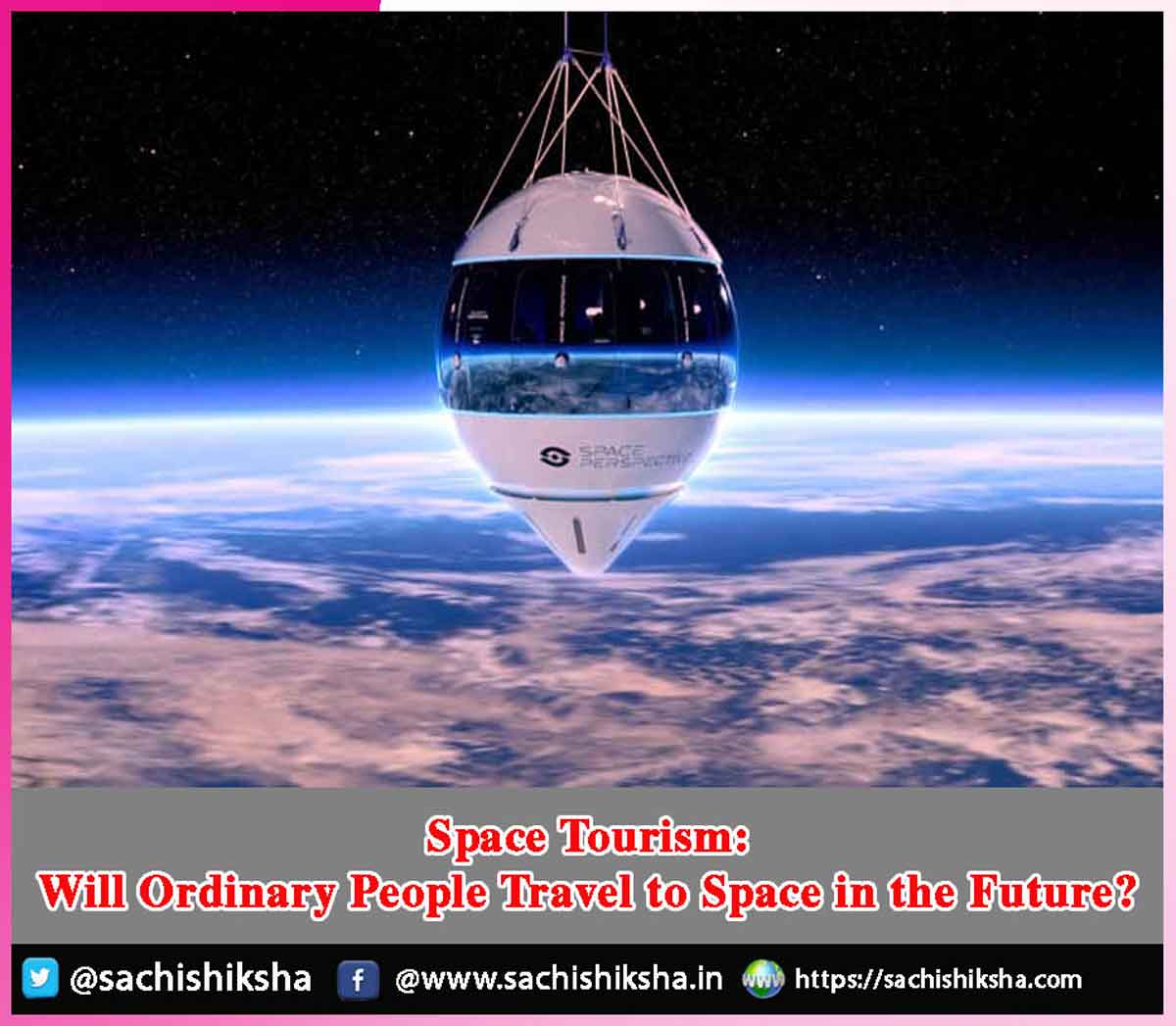
Space Tourism: Will Ordinary People Travel to Space in the Future?
Introduction: For generations, travelling to space has been a dream associated with astronauts, scientists and highly trained professionals. What once seemed like an impossible adventure is gradually becoming a possibility for private individuals. With advancements in rocket technology and growing investments from private space companies, space tourism is emerging as a new frontier in the travel industry. While only a small number of wealthy individuals have experienced commercial spaceflight so far, an important question remains: Will ordinary people be able to travel to space in the future?
Table of Contents
The Rise of Space Tourism
Space tourism refers to commercial space travel undertaken for recreational, educational or adventure purposes rather than scientific missions. The concept has gained momentum with the involvement of private companies such as SpaceX, Blue Origin and Virgin Galactic.
These companies are developing spacecraft and launch systems designed to carry civilians beyond Earth’s atmosphere. Some offer suborbital journeys, where passengers experience a few minutes of weightlessness before returning to Earth. Others are working towards orbital missions that allow travellers to spend longer periods in space.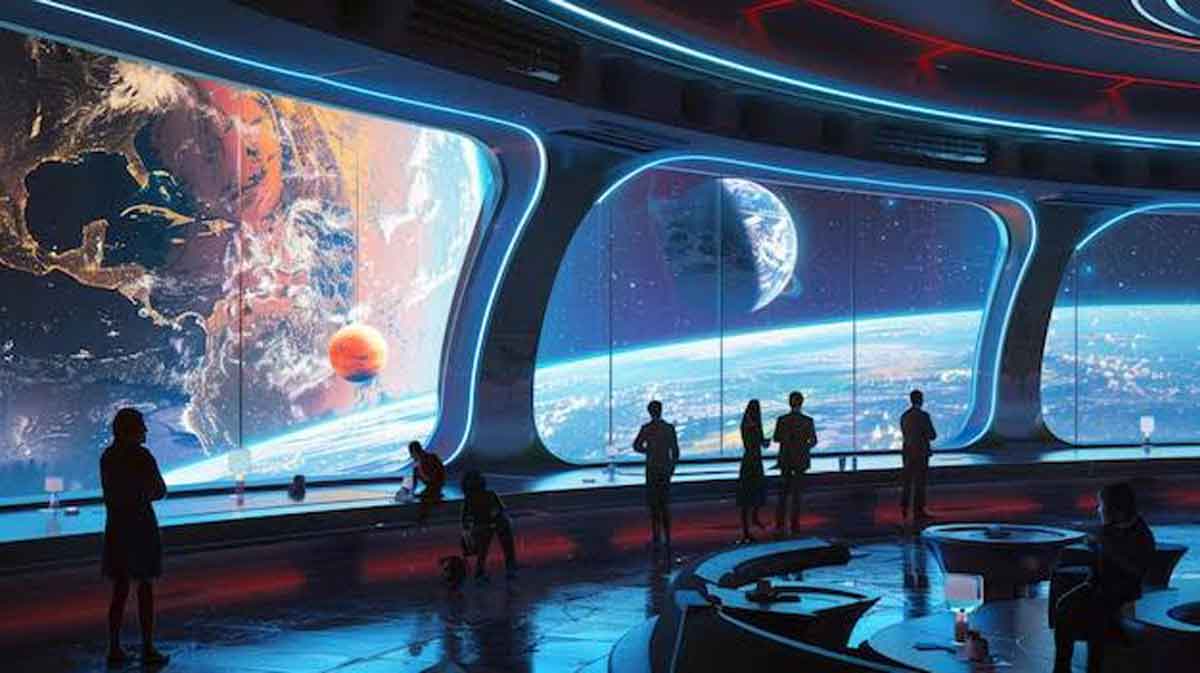
These developments mark a significant shift in the space industry, which was once dominated almost entirely by government-funded organisations.
What Will a Space Journey Look Like?
A future space tourism experience could be very different from traditional air travel. Passengers may begin their journey at specialised spaceports, where they undergo medical assessments, safety briefings and basic training.
During a suborbital flight, travellers could experience the sensation of weightlessness, observe the curvature of Earth and witness the darkness of space. Those participating in longer orbital journeys may eventually stay in specialised space hotels or commercial space stations.
Imagine looking out of a spacecraft window and seeing Earth as a beautiful blue sphere surrounded by darkness. For many travellers, this unique perspective could become one of the most extraordinary experiences of their lives.
Can Ordinary People Afford Space Travel?
One of the biggest challenges facing space tourism is cost. Currently, commercial space journeys are extremely expensive, placing them beyond the financial reach of most people.
The high cost is largely due to rocket manufacturing, fuel requirements, spacecraft maintenance, safety systems and specialised training. However, as technology advances and reusable rocket systems become more efficient, the cost of launching people into space could gradually decrease.
Similar to how air travel evolved from an exclusive luxury into a widely accessible mode of transportation, space tourism may also become more affordable over time. However, reaching that stage will require significant technological and economic progress.
Technology Making Space Travel Possible
Technological innovation is playing a crucial role in the development of commercial space travel. Reusable rockets, advanced navigation systems, improved spacecraft materials and automated flight controls are helping companies make space missions more efficient.
Reusable launch vehicles, in particular, have the potential to reduce the cost of space transportation by allowing certain rocket components to be recovered and used again.
As research progresses, future spacecraft may become safer, more comfortable and capable of carrying larger groups of passengers. These developments could gradually transform space tourism from an experimental activity into a more established travel option.
Challenges Beyond Cost
Although space tourism offers exciting possibilities, several challenges must be addressed before it becomes widely accessible.
Safety remains a major concern, as spaceflight involves risks such as extreme acceleration, radiation exposure and technical failures. Unlike conventional air travel, space journeys require specialised equipment and carefully controlled operating conditions.
Environmental impact is another important consideration. Rocket launches release emissions and other pollutants, raising questions about the sustainability of frequent commercial space travel.
Additionally, governments and international organisations will need to establish clear regulations covering passenger safety, space traffic, environmental responsibility and emergency procedures.
The Future of Travel Beyond Earth
In the coming decades, space tourism could expand beyond short recreational flights. Commercial space stations, orbital hotels and potentially lunar tourism may become part of the industry’s long-term ambitions.
For countries such as India, the growing space economy also presents opportunities in aerospace engineering, research, manufacturing and technology development. India’s progress in space exploration could contribute to future commercial opportunities as the global industry expands.
However, widespread civilian access to space will depend on affordability, safety, infrastructure and international cooperation.
A New Destination for Humanity
Space tourism represents more than an exciting addition to the travel industry. It reflects humanity’s continuing desire to explore the unknown and push beyond established boundaries.
Although travelling to space may remain a luxury for the foreseeable future, technological progress could gradually bring this experience closer to ordinary people. The possibility of booking a journey beyond Earth may still seem distant, but it is no longer purely imaginary.
Perhaps one day, space travel will become another option on the global travel map. Until then, the journey towards making space accessible to everyone will remain one of the most fascinating challenges of modern science and innovation.