
























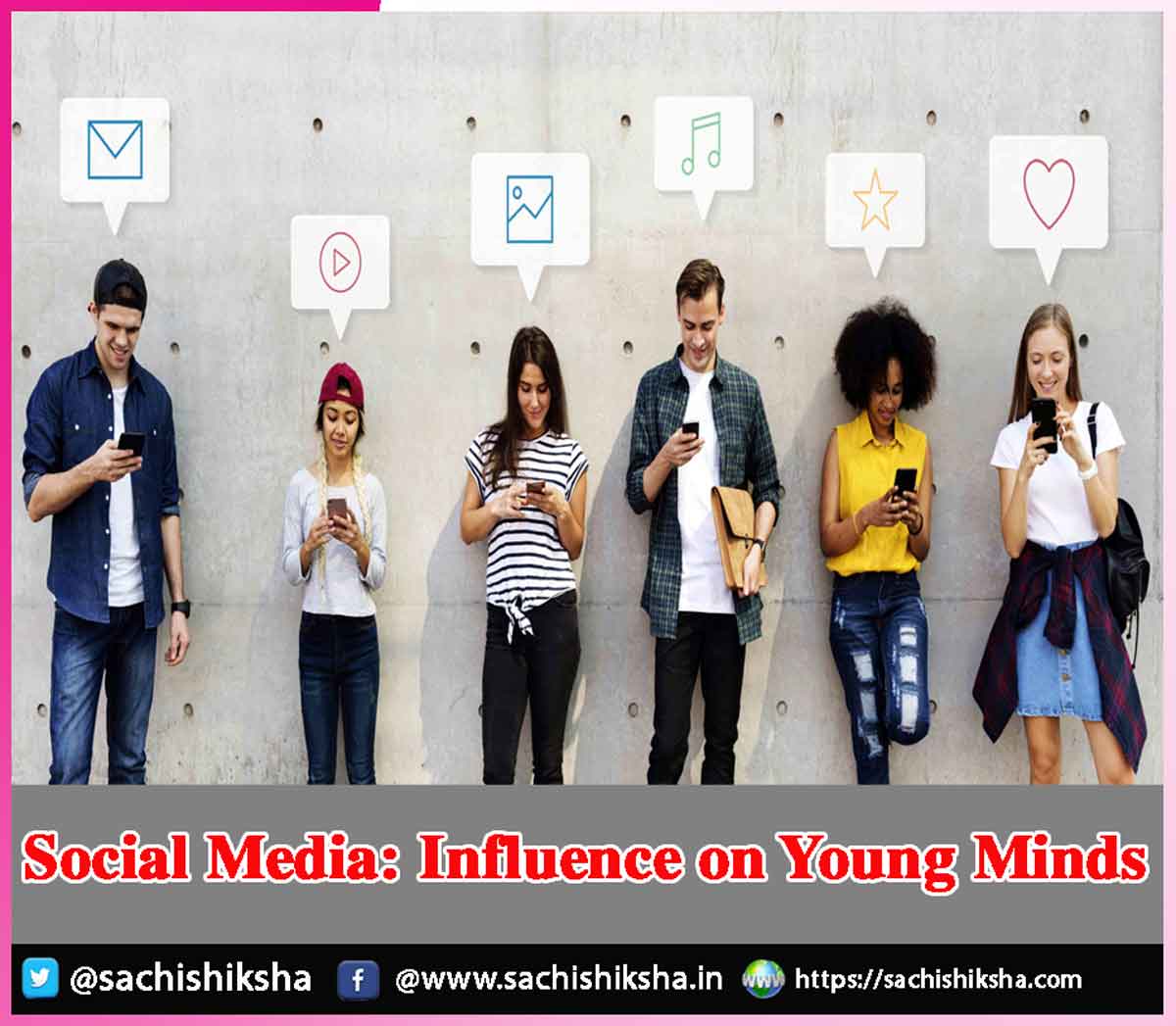
Social Media: Influence on Young Minds
Introduction: Social media has become an inseparable part of everyday life, especially for young people. Platforms that allow instant sharing of thoughts, images, and videos have transformed how the younger generation communicates, learns, and perceives the world. While social media offers several opportunities for growth and connection, its influence on young minds is both powerful and complex.
Table of Contents
Shaping Opinions and Perspectives
One of the most significant impacts of social media is how it shapes opinions and perspectives. Young people are constantly exposed to information, trends, and viewpoints from around the world. This exposure can broaden their understanding of different cultures, social issues, and global events. Through educational content, motivational stories, and creative content platforms, social media can inspire young individuals to learn new skills, explore their interests, and express themselves confidently.
Connectivity
Another positive aspect of social media is connectivity. Young people can easily stay connected with friends, family, and communities regardless of geographical boundaries. Online communities allow them to find like-minded individuals who share similar hobbies, passions, or career interests. This sense of belonging can be encouraging, especially for those who may feel isolated in their offline environments.
Creativity and Self-expression
 Social media has also opened doors for creativity and self-expression. Platforms encourage young users to showcase their talents in areas such as art, music, writing, and photography. Many young creators use these platforms to build personal brands and even pursue career opportunities. For some, social media acts as a stage where their voices and ideas can reach a large audience.
Pressure
However, the influence of social media is not entirely positive. One of the major concerns is the pressure it creates through constant comparison. Young minds are often exposed to carefully curated images and lifestyles that may not reflect reality. Seeing peers or influencers display seemingly perfect achievements, appearances, or lifestyles can lead to feelings of inadequacy, low self-esteem, or anxiety. This comparison culture can negatively impact mental health if young users begin to measure their worth based on online validation such as likes, comments, and followers.
Misinformation
Another challenge is the spread of misinformation. Social media platforms allow information to circulate rapidly, but not all of it is accurate or reliable. Young users who lack the experience to critically evaluate content may easily believe misleading or false information. This can shape their opinions and decisions in ways that may not always be beneficial.
Excessive Screen Time
Excessive screen time is also a growing concern. Spending long hours scrolling through social media can reduce productivity, disturb sleep patterns, and limit real-world interactions. Over-dependence on digital communication may weaken face-to-face social skills, which are essential for personal and professional growth.
Cyberbullying
Cyberbullying is another serious issue affecting young social media users. Negative comments, online harassment, and public criticism can deeply affect emotional well-being. Unlike traditional bullying, cyberbullying can occur at any time and reach a wide audience, making its impact even more damaging.
How to Overcome the Challenges
Despite these challenges, social media can still be a positive force when used responsibly. Guidance from parents, educators, and mentors plays a crucial role in helping young people develop healthy digital habits. Teaching them how to verify information, manage screen time, and maintain a balanced lifestyle can reduce the negative effects of social media.
Encouraging young individuals to view social media as a tool rather than a measure of self-worth is equally important. When used mindfully, it can support learning, creativity, and meaningful connections.
Conclusion
Social media has a profound influence on young minds. It can educate, inspire, and connect people across the globe, but it also carries risks related to mental health, misinformation, and digital dependency. The key lies in responsible usage and awareness. By learning to navigate social media wisely, young people can harness its benefits while protecting their well-being and personal development.