




















Dussehra: Why the Victory of Good Still Matters Today
Introduction: Dussehra, also known as Vijayadashami, is one of the most important and widely celebrated festivals in India. Celebrated on the tenth day of the Hindu month of Ashwin, usually in September or October, Dussehra holds great religious, cultural, and social importance. People across the country celebrate this festival with great enthusiasm, devotion, and joy. Although the customs and traditions differ from one region to another, the central message remains the same: good always triumphs over evil.
Table of Contents
The Legend of Lord Rama and Ravana
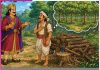
The most well-known story behind Dussehra is associated with Lord Rama and the demon king Ravana. Although Ravana was highly knowledgeable and possessed great strength, he was also arrogant and misused his powers. He kidnapped Sita, the wife of Lord Rama, and took her to Lanka.
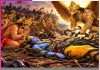
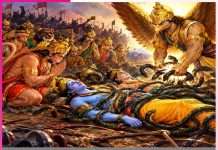
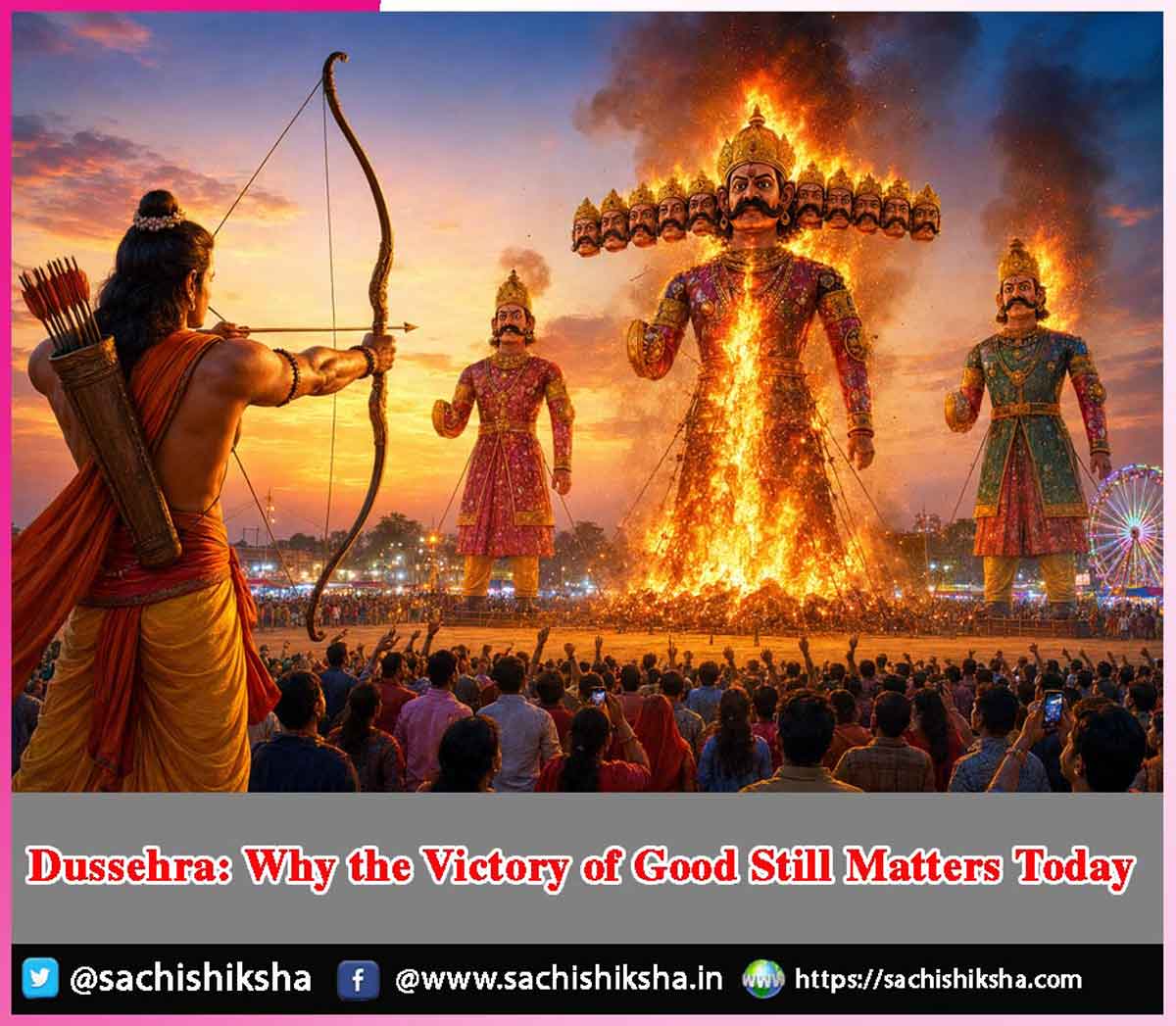
Lord Rama, along with His brother Lakshmana and His devoted follower Hanuman, gathered an army and travelled to Lanka to rescue Sita. After a fierce struggle, Lord Rama defeated and killed Ravana on the tenth day. Therefore, this day came to be celebrated as Dussehra or Vijayadashami.
Traditions: Effigy Burning and Ramlila
The burning of Ravana’s effigy is one of the most popular traditions associated with Dussehra. In many towns and cities, huge effigies of Ravana, Kumbhakarna, and Meghnath are constructed in open grounds. These effigies are often decorated and filled with fireworks.
Another important part of Dussehra celebrations is Ramlila. Ramlila is a dramatic performance based on the life and adventures of Lord Rama. It usually begins several days before Dussehra and presents important events from the Ramayana, including Rama’s exile, Sita’s abduction, Hanuman’s devotion, the battle with Ravana, and Ravana’s defeat. People of all ages attend these performances. Ramlila is not only a form of entertainment but also a way of passing traditional stories, moral values, and cultural knowledge from one generation to another.
Regional Celebrations and Core Values
In northern India, especially in cities and towns, Ramlila performances and the burning of Ravana’s effigy are major attractions. Lord Rama is remembered for his honesty, courage, obedience, compassion, and sense of duty. His life teaches us to remain truthful and responsible even during difficult situations.
Relevance in Modern Times
Dussehra is not merely a religious festival; it is a reminder of the values that should guide our lives. Every person faces inner struggles such as anger, jealousy, greed, dishonesty, and pride. The burning of Ravana can therefore be seen as a symbolic act of removing these negative qualities from our own lives. We should try to replace hatred with kindness, dishonesty with truth, and selfishness with compassion.
Dussehra is a festival of hope, courage, and righteousness. It teaches us that no matter how powerful evil may appear, it cannot defeat truth and goodness forever. The celebration of Lord Rama’s victory and the destruction of Ravana inspire us to lead honest and meaningful lives. By understanding and following the message of Dussehra, we can make ourselves and our society better. The festival thus remains an important part of India’s rich cultural heritage and continues to spread the timeless message that good will always triumph over evil.