
























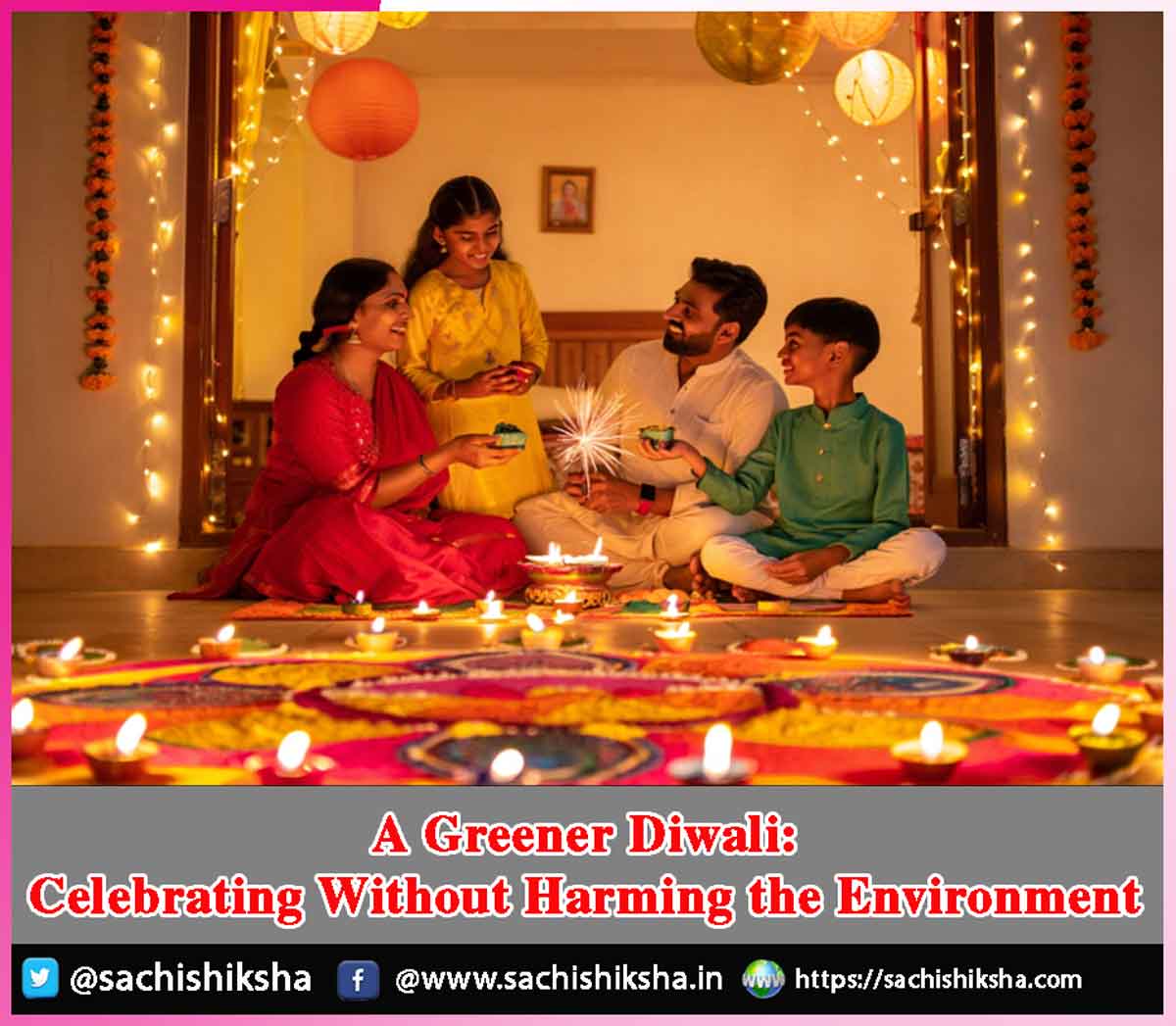
A Greener Diwali: Celebrating Without Harming the Environment
Introduction: The arrival of Diwali brings a rush of activity in households to prepare shopping lists and traditional delicacies, undertake the hectic but important event of Diwali-cleaning, decorate spaces, and get ready for the festivities. Meanwhile, markets and businesses prepare for bumper Diwali sales and promotions. So, amid the ‘lights, crackers,- and Diwali’ celebrations playing out, why is ‘the festival of lights’ increasingly becoming a concern for the environmental sustainability debate?
Table of Contents
Changing Celebrations and Rising Consumerism
The answer is partly in how celebrations have evolved over the years. According to Dr. Alpesh Prajapati, in his 2024 paper, Indian Culture, Hindu Festivals and Sustainable Development – In the Changing Context of Celebration, consumerist culture and changing patterns of celebration have contributed to environmental pollution. When festivities become intricately associated with excessive material-consumption, disposable decorations and elaborate displays of firecrackers, their environmental costs can go beyond the celebrations themselves, and may bring about worse outcomes.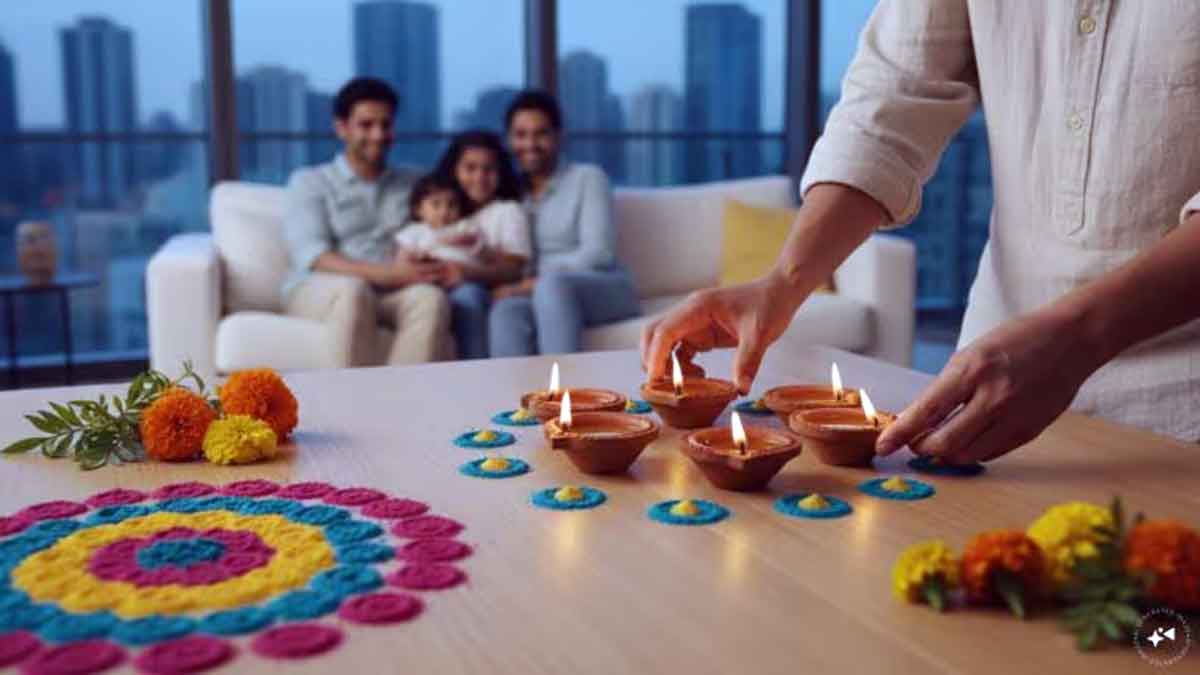
Air Pollution, Noise Pollution and Waste
Firecrackers are a major concern because they release smoke and fine particulate matter that can worsen air quality and aggravate respiratory problems. Their loud, explosive sounds also contribute to noise pollution, and end up affecting people, pets or wildlife sensitive to loud sounds as well. The environmental cost does not end with just fireworks. Plastic packaging, discarded decorations and unsegregated household waste add to the pressure on the waste-management systems.
Awareness and the Challenges of Sustainable Celebrations
Furthermore, studies also suggest that awareness alone does not always translate into sustainable choices. In its November 2023 report, ‘Critical Gaps in Awareness and Practices for Eco-Friendly Diwali Celebrations, SwitchON Foundation surveyed 567 people in the firecracker markets of Kolkata, Ranchi and Bhubaneswar. The report identified gaps in public understanding of green crackers, relevant regulations and permitted timings, alongside concerns about affordability. This indicates that greener celebrations require not only individual willingness but also accessible alternatives, reliable information and effective enforcement.
Practical Ways to Celebrate a Greener Diwali
A more sustainable and eco-friendly Diwali does not mean abandoning the traditions. Earthen diyas, reusable decorations and rangoli made with flower petals or other natural or bio-degradable materials can reduce dependence on disposable products. LED lights, used thoughtfully, can help limit electricity consumption. Gifts can be chosen with care, wrapped in paper or cloth bags. One can give friends and family handmade items and locally produced goods. Avoiding single-use plastics and separating recyclable waste can also make a practical difference.
Government Initiatives and Public Participation
Public participation is equally important. Government initiatives also encourage the public to celebrate responsibly. According to the Press Information Bureau’s report of 2024, the Swachh Diwali, Shubh Diwali initiative promoted locally made products, avoiding single-use plastics, and cleanliness before and after Diwali. Under ‘Mission LiFE’, the initiative advocates a clean, plastic-free and cracker-free celebration, encouraging people to incorporate environmental responsibility into their festive practices.
Conclusion
Ultimately, a greener Diwali is not about diminishing celebration; it is about reconsidering what makes it meaningful. The joy of festival need not be measured by the volume of crackers, the brightness of excessive lighting or the number of gifts exchanged. By making informed choices and taking responsibility for the waste we generate, we can celebrate with greater care for our neighbours, our surroundings and future generations. The true light of Diwali should illuminate our homes without leaving our environment in the darkness. Perhaps it is time to abandon harmful habits and adopt greener ones this Diwali.