


















Diwali: Beyond Diya – The Traditions and Stories Behind the Festival of Lights
Table of Contents
Introduction to the Festival of Lights
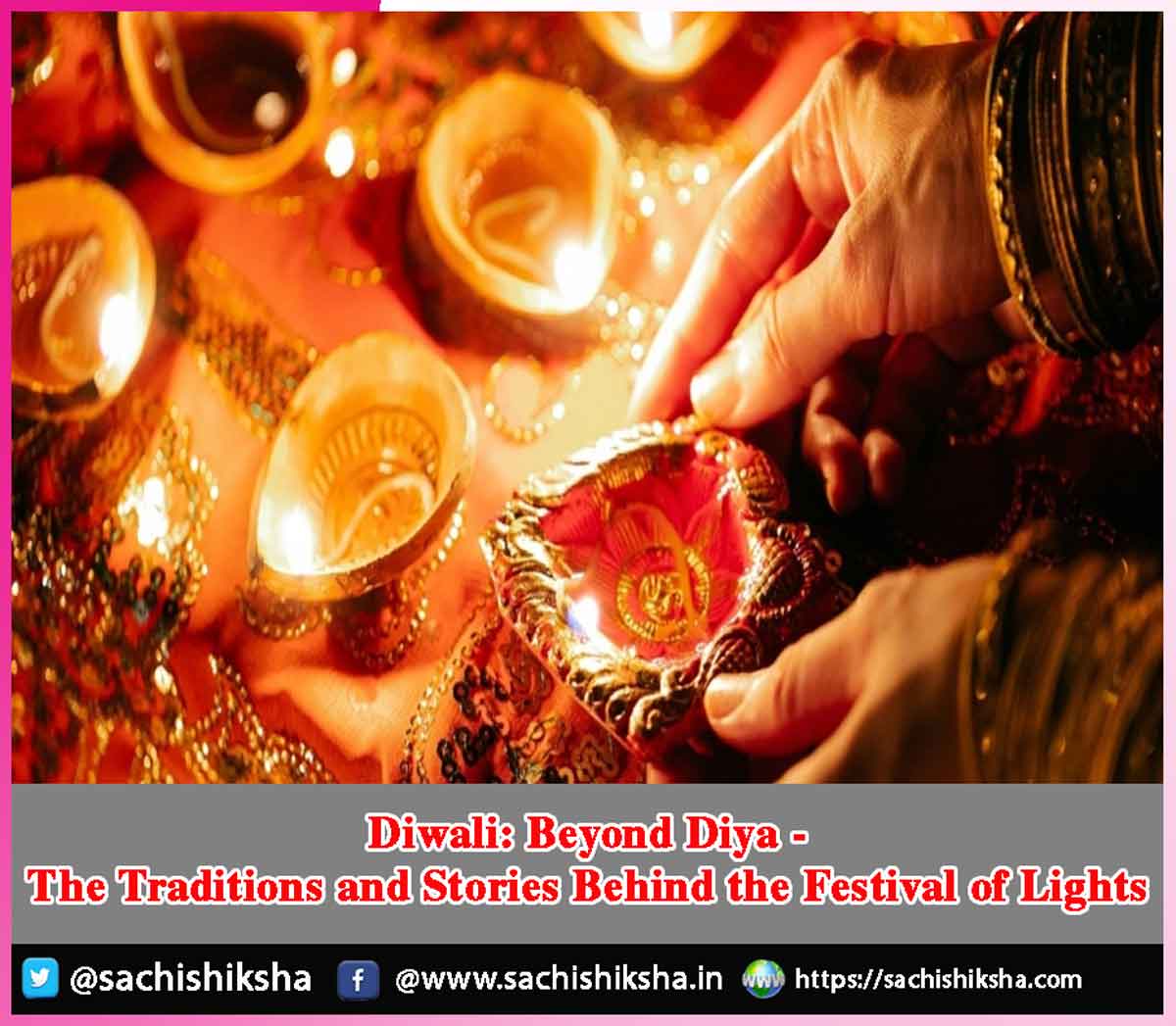
Diwali, also known as Deepawali, is one of the most popular and widely celebrated festivals in India. It is known as the Festival of Lights because people decorate their homes, streets, shops, and temples with beautiful lamps, candles, and colorful lights. It is celebrated with great joy and enthusiasm by millions of people in India and in many other parts of the world. The festival brings families and communities together and spreads a message of happiness, peace, and hope.
Preparations and Festive Traditions
The festival usually lasts for several days, with each day having its own significance and traditions. People begin preparing for Diwali weeks in advance. They clean and decorate their homes, buy new clothes, prepare sweets, and purchase gifts for family members and friends.
The Legend of Lord Rama’s Return
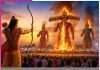
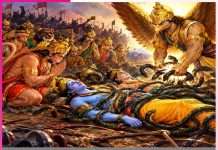
One of the most important stories associated with Diwali is the return of Lord Rama to Ayodhya after fourteen years of exile. According to the Ramayana, Lord Rama, His wife Sita, and His brother Lakshmana returned to Ayodhya after Rama defeated the demon king Ravana. The people of Ayodhya were extremely happy to welcome them home. They lit rows of ghee lamps, known as diyas, to illuminate the city and celebrate Rama’s return. Since then, lighting diyas has become one of the most important traditions of Diwali.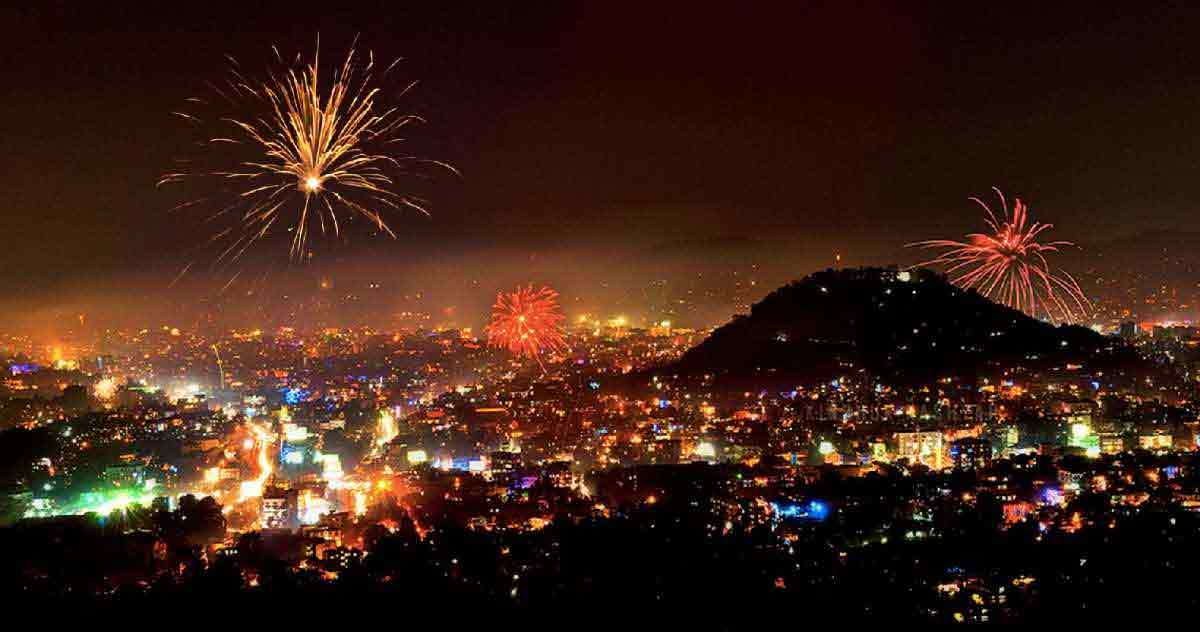
Welcoming Goddess Lakshmi and Sacred Decorations
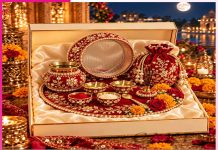
In many places, the festival is associated with Goddess Lakshmi, the goddess of wealth and prosperity. On the main day of Diwali, families perform Lakshmi Puja and pray for happiness, prosperity, and success. Homes are thoroughly cleaned and decorated because it is traditionally believed that Goddess Lakshmi visits clean and well-lit homes. Beautiful rangoli designs made with coloured powders, flowers, rice, or other materials are also created at the entrances of houses.
The Multi-Day Journey of Celebrations
Diwali is celebrated over several days. The first day is often associated with Dhanteras, which is considered an auspicious day for purchasing certain household items and, traditionally, precious metals. The second day is Naraka Chaturdashi, also known as Choti Diwali in many regions. The third day is the main Diwali celebration, when people light diyas, perform prayers, exchange gifts, and enjoy festive meals. The following day is celebrated as Govardhan Puja or Annakut in many parts of India.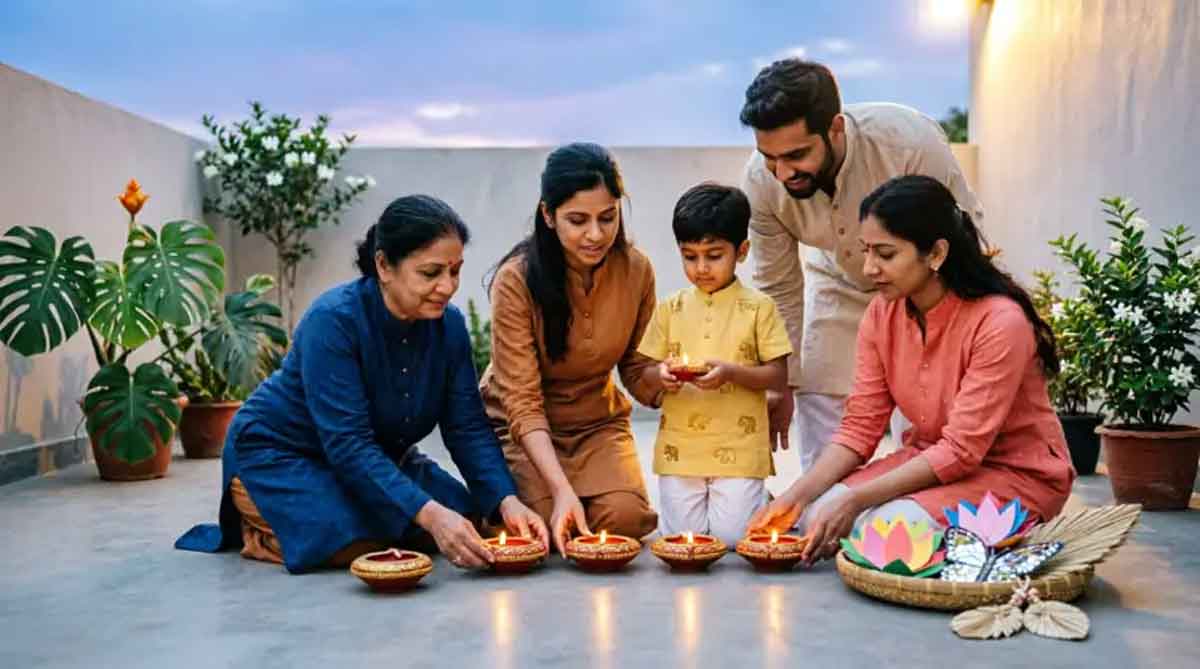
The Spiritual Essence and Inner Light
The deeper message of Diwali is also very meaningful. By lighting a diya, we can remind ourselves to bring positivity into our own lives and the lives of others. Diwali encourages us to overcome negative thoughts and actions and to choose the path of truth, compassion, and righteousness.
Eco-Friendly Celebrations and Timeless Values
Diwali is a festival filled with light, happiness, devotion, and togetherness. It reminds us that good ultimately triumphs over evil and that hope can overcome darkness. While enjoying the celebrations, we should also remember our responsibility towards society and the environment. A clean, safe, peaceful, and eco-friendly Diwali can make the festival even more meaningful. The true beauty of Diwali lies not only in the lights outside our homes but also in the light of kindness, love, and goodness within our hearts.